
Why Do My Legs Hurt After Quitting Smoking? The Science Behind the Pain
Understanding the Connection Between Smoking and Leg Pain
Have you ever noticed that your legs hurt more after you quit smoking? If so, you're not alone. Many former smokers experience leg pain as a part of their journey to a smoke-free life. This article delves into the science behind this phenomenon and provides insights into why this discomfort occurs.
The Role of Nicotine in Leg Health
Nicotine, the primary addictive substance in cigarettes, affects various aspects of your health, including your legs. When you stop smoking, the body undergoes several changes that can lead to leg pain.
1. Blood Flow Changes
One of the most significant effects of nicotine is its impact on blood flow. Nicotine constricts blood vessels, leading to reduced blood flow throughout the body. Over time, this can result in poor circulation, especially in the legs.
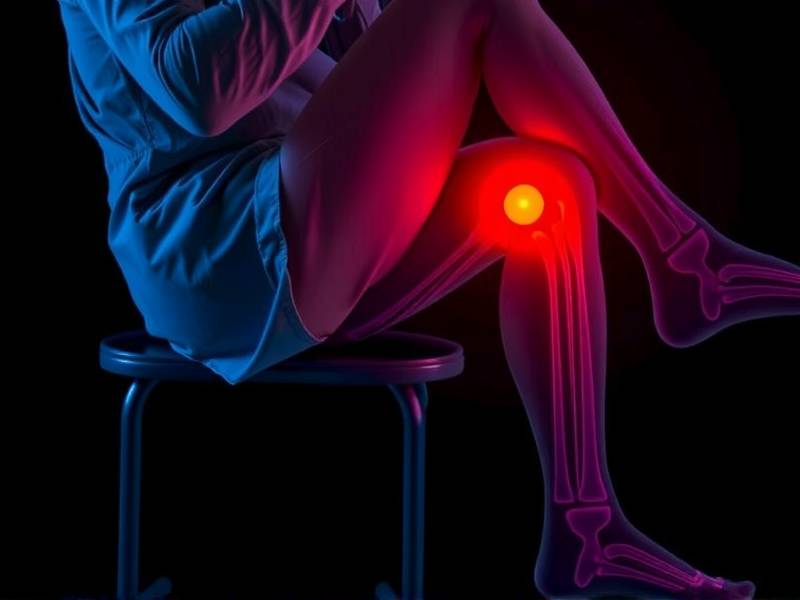
When you quit smoking, your body begins to repair and restore blood flow. However, this process can be painful as your muscles adapt to increased blood flow. This pain is often described as a tingling or cramping sensation.
2. Muscle Weakness and Stiffness
Another common side effect of quitting smoking is muscle weakness and stiffness. Nicotine affects muscle function by reducing oxygen levels and causing muscle fatigue. As you stop smoking, your muscles may become more sensitive to these changes, leading to discomfort.
How Long Does It Last?
The duration of leg pain after quitting smoking can vary from person to person. Some individuals may experience mild discomfort for a few days or weeks, while others may have more severe symptoms lasting several months.
It's important to remember that this pain is a temporary side effect of quitting smoking and is a sign that your body is healing itself.
Coping with Leg Pain
While leg pain can be uncomfortable, there are ways to manage it:
1. Gentle Exercise
Regular exercise can help improve blood flow and reduce leg pain. Start with gentle activities such as walking or swimming and gradually increase intensity as your body becomes more comfortable.
2. Heat Therapy
Applying heat to sore muscles can help alleviate pain and promote relaxation. Use a warm compress or take a warm bath to soothe achy legs.
3. Stretching
Regular stretching can improve flexibility and reduce muscle stiffness. Focus on stretching exercises for your legs and lower back.
Seek Professional Help if Needed
If you experience severe leg pain or if it persists for an extended period, it's essential to consult with a healthcare professional. They can provide guidance on managing symptoms and rule out other potential causes of leg pain.
Conclusion
Leg pain after quitting smoking is a common occurrence due to changes in blood flow and muscle function caused by nicotine withdrawal. While it may be uncomfortable at first, most individuals find that their symptoms improve over time as their bodies adjust to being smoke-free.
Remember that taking care of yourself during this transition is crucial for both physical and mental well-being. Stay active, seek support from friends and family, and don't hesitate to reach out for professional help if needed on your journey toward better health!