
Do You Cough Up Phlegm When You Quit Smoking? The Truth About Lung Health After Quitting Tobacco
Do You Cough Up Phlegm When You Quit Smoking? Unveiling the Truth About Lung Health After Quitting Tobacco
Introduction: Quitting smoking is a significant step towards improving your health. However, many individuals experience coughing up phlegm after they quit. This article delves into the truth about lung health after quitting tobacco, shedding light on the common phenomenon of post-cessation cough.
I. Understanding Post-Cessation Cough:
-
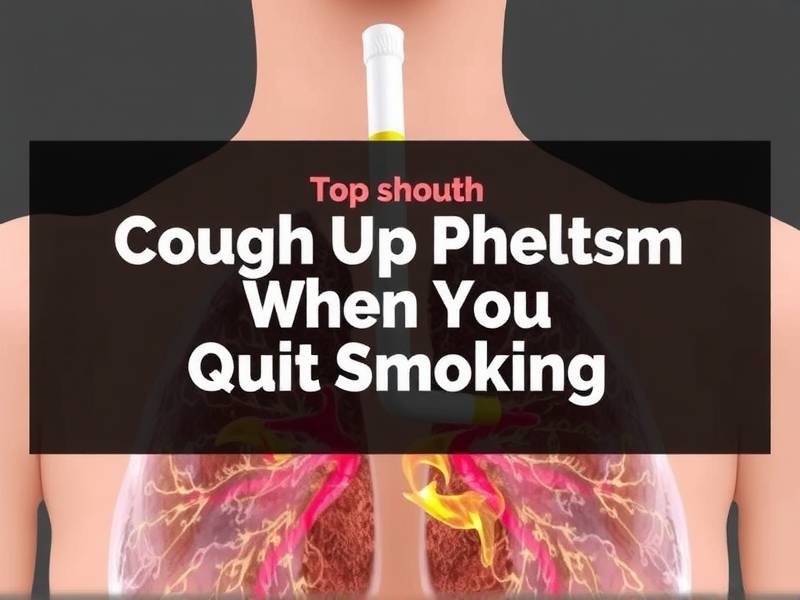
What is Post-Cessation Cough? Post-cessation cough refers to the coughing that occurs within a few days to weeks after quitting smoking. It is a common symptom experienced by many individuals who have quit smoking.
-
Causes of Post-Cessation Cough: a. Cleansing of the Lungs: The body's natural response to quitting smoking is to cleanse the lungs, which can result in coughing up phlegm. b. Irritation: The lining of the airways may become irritated due to the absence of smoke, leading to coughing. c. Increased Mucus Production: Quitting smoking can cause an increase in mucus production, which may lead to coughing.
II. The Truth About Lung Health After Quitting Tobacco:
-
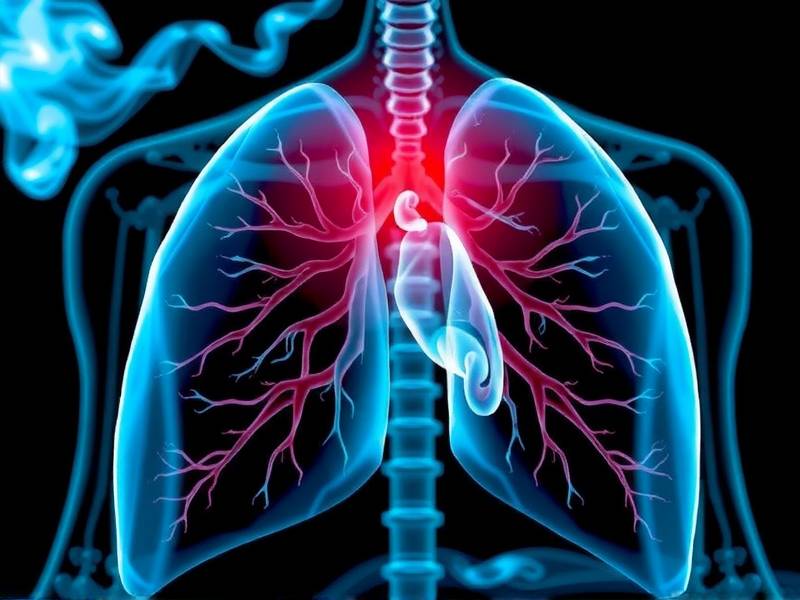
Improved Lung Function: Within a few weeks of quitting smoking, your lung function begins to improve significantly. The removal of toxins from the lungs allows for better oxygen exchange and improved breathing.
-
Decreased Risk of Respiratory Diseases: Quitting smoking reduces your risk of developing respiratory diseases such as chronic obstructive pulmonary disease (COPD), emphysema, and bronchitis.
-
Enhanced Immune System: Your immune system becomes stronger after quitting smoking, making it more effective in fighting off infections and diseases.
III. Coping with Post-Cessation Cough:
- Stay Hydrated: Drinking plenty of water helps thin out mucus and makes it easier to expel from your lungs.
- Use Humidifiers: Adding moisture to the air can soothe irritated airways and reduce coughing.
- Avoid Irritants: Stay away from smoke-filled environments and other irritants that may exacerbate your cough.
- Seek Medical Advice: If your cough persists or worsens despite taking these measures, consult a healthcare professional for further evaluation.
Conclusion: Coughing up phlegm when you quit smoking is a common occurrence due to the body's natural response to cleansing the lungs and adjusting to life without tobacco. By understanding this phenomenon and taking appropriate measures, you can improve your lung health and cope with post-cessation cough effectively. Remember, quitting smoking is a crucial step towards a healthier life!