
Can Quitting Smoking Really Cause Acne Breakouts? The Science Behind the Question
Can Quitting Smoking Really Cause Acne Breakouts? The Science Behind the Question
Introduction: The decision to quit smoking is often met with both excitement and apprehension. While the health benefits of quitting are well-documented, many smokers are worried about potential side effects, such as acne breakouts. This article delves into the science behind this question, exploring whether there is a genuine link between quitting smoking and acne.
Understanding Acne: What Causes It?
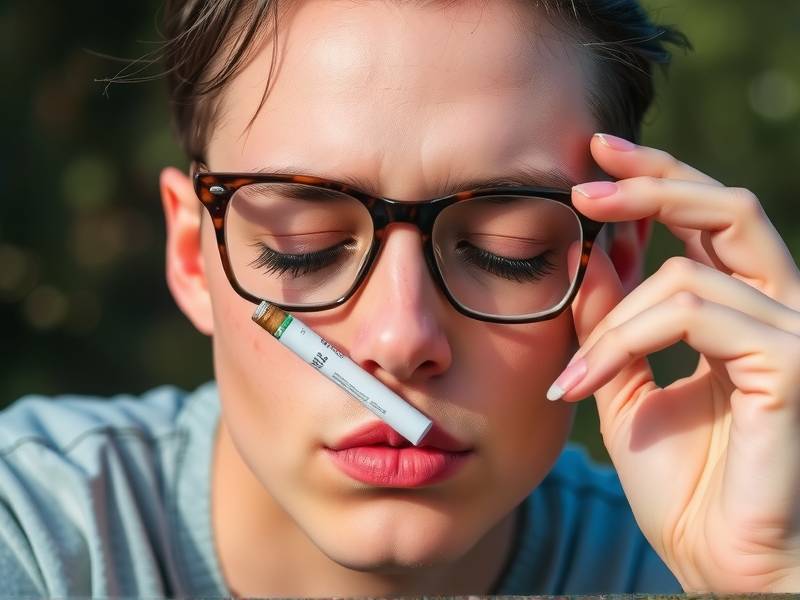
Acne is a common skin condition that affects millions of people worldwide. It occurs when hair follicles become clogged with dead skin cells and oil, leading to inflammation and the formation of blemishes. Several factors contribute to acne development, including genetics, hormonal changes, and lifestyle choices.
The Connection Between Smoking and Acne

Smoking has long been known to have detrimental effects on the skin. The chemicals in tobacco smoke can damage collagen and elastin fibers, leading to premature aging and a higher risk of developing wrinkles. However, when it comes to acne breakouts, the evidence is less clear-cut.
Several studies have suggested that smoking may exacerbate acne in some individuals. One reason for this could be the impact of nicotine on hormonal balance. Nicotine is a stimulant that can disrupt normal hormone levels in the body, potentially leading to increased oil production in the skin and subsequent acne breakouts.
Quitting Smoking: What Happens Next?
When smokers quit, their bodies undergo significant changes as they eliminate nicotine and other harmful chemicals from their systems. One of these changes is an adjustment in hormone levels. As hormone levels stabilize after quitting smoking, some individuals may experience a temporary increase in oil production due to fluctuations in hormones such as testosterone.
This increase in oil production can lead to clogged pores and an increased risk of acne breakouts. However, it's important to note that this effect is not universal; not everyone who quits smoking will experience acne breakouts as a result.
The Role of Stress
Stress is another factor that can contribute to acne breakouts. Quitting smoking can be stressful for many individuals due to withdrawal symptoms or concerns about weight gain or other side effects. Stress-induced cortisol release can further exacerbate acne by increasing oil production.
Conclusion: Is There a Link Between Quitting Smoking and Acne Breakouts?
While there may be a temporary increase in oil production and subsequent risk of acne breakouts after quitting smoking, it's essential to recognize that this effect is not experienced by everyone. The overall benefits of quitting smoking far outweigh the potential risks associated with transient skin issues.
In conclusion, while quitting smoking might cause some individuals to experience temporary acne breakouts due to hormonal adjustments or stress-related factors, it's crucial for smokers who are considering quitting to focus on the long-term health benefits rather than short-term skin concerns.
Remember that if you do experience acne breakouts after quitting smoking or at any other time, there are various treatments available that can help manage your condition effectively. Consult with your healthcare provider for personalized advice on managing your skincare needs during this transition period.