
Does Quitting Smoking Really Cause Night Sweats?
Introduction
The journey to quitting smoking is often fraught with challenges, and one common concern among smokers is the potential for night sweats. While it's a well-known fact that smoking can lead to various health issues, the question arises: does quitting smoking really cause night sweats? Let's delve into this topic and explore the possible reasons behind this phenomenon.
Understanding Night Sweats
Night sweats are episodes of excessive sweating during sleep. They can be caused by a variety of factors, including stress, hormonal changes, and medical conditions. In the context of quitting smoking, it's essential to understand that night sweats may be a temporary symptom experienced during the withdrawal process.
The Connection Between Quitting Smoking and Night Sweats
Temporary Withdrawal Symptoms
When you quit smoking, your body goes through a withdrawal process as it adjusts to the absence of nicotine. This adjustment period can trigger various symptoms, including night sweats. The sweating is often attributed to an increase in adrenaline levels and fluctuating hormone levels during this transition.
Stress and Anxiety
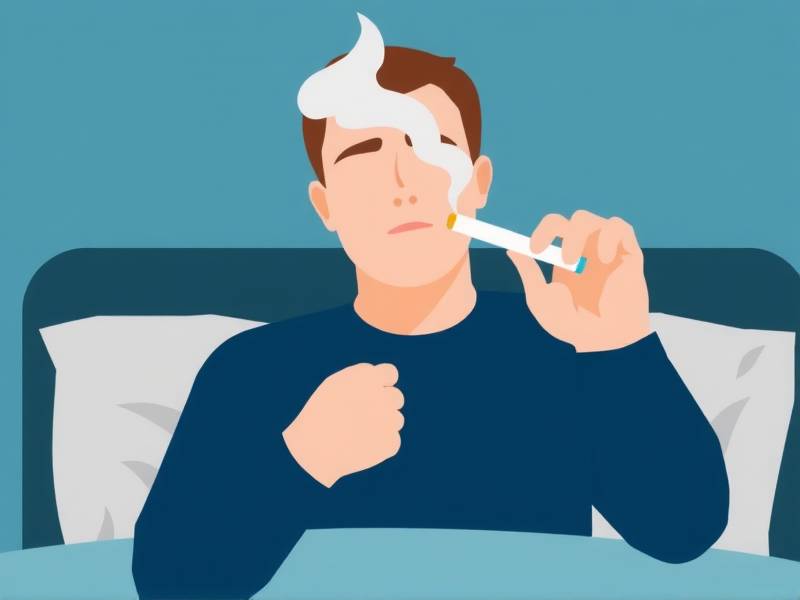
Quitting smoking can also lead to increased stress and anxiety. These psychological factors can exacerbate night sweats as your body tries to cope with the changes. It's important to note that while stress may contribute to night sweats, they are not a direct result of quitting smoking.
Other Factors
In addition to withdrawal symptoms and stress, other factors such as poor sleep quality or environmental factors (like high room temperature) can contribute to night sweats during the initial stages of quitting smoking.
Coping with Night Sweats
If you're experiencing night sweats while trying to quit smoking, here are some strategies that may help:
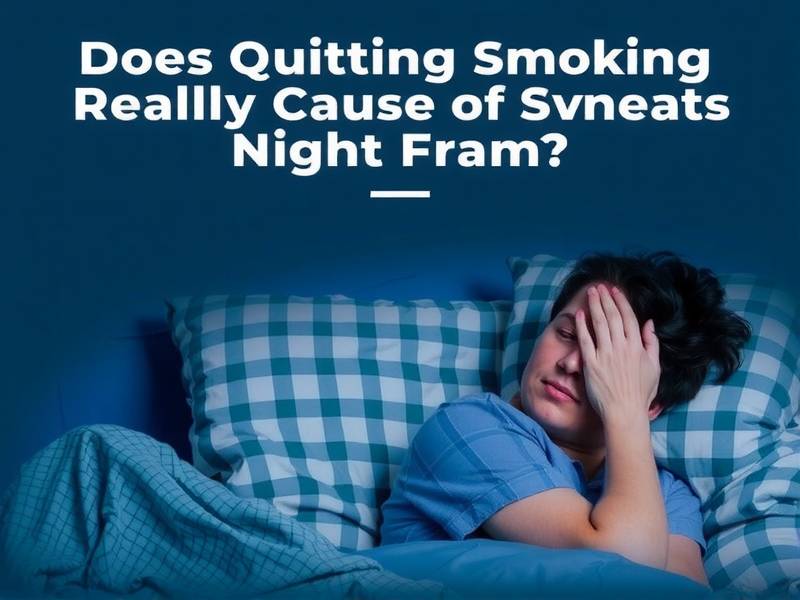
- Create a Comfortable Sleep Environment: Keep your bedroom cool and use breathable bedding materials.
- Stay Hydrated: Drink plenty of water throughout the day but avoid drinking large amounts before bedtime.
- Practice Relaxation Techniques: Engage in activities like meditation or deep breathing exercises before bed.
- Establish a Regular Sleep Schedule: Try to go to bed and wake up at the same time each day.
- Seek Support: Joining a support group or seeking guidance from a healthcare professional can provide additional resources and motivation.
Conclusion
While it's true that quitting smoking may cause night sweats for some individuals, it's important to remember that these symptoms are usually temporary. By understanding the underlying causes and adopting effective coping strategies, you can navigate this challenge on your journey towards a smoke-free life. Remember, every step you take towards quitting smoking is a step towards better health—both physically and mentally.