
Do You Cough a Lot When You Quit Smoking? Understanding the Common Symptoms of Quitting Tobacco
Navigating the Coughing Journey: Common Symptoms of Quitting Tobacco
Introduction: The decision to quit smoking is a significant step towards a healthier life. However, the journey isn't always smooth. Many individuals experience various symptoms as their body adjusts to the absence of nicotine. One of the most common symptoms is coughing. In this article, we delve into why you might cough a lot when you quit smoking and understand the other common symptoms associated with tobacco cessation.
Understanding the Coughing Symptom
-
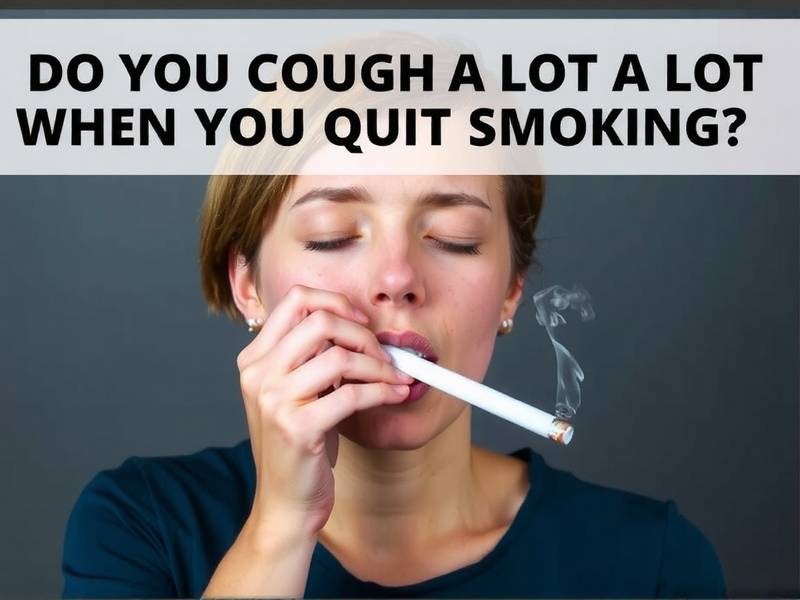
Coughing as a Detoxification Response When you quit smoking, your body begins to cleanse itself of accumulated toxins. This process can sometimes trigger an increase in coughing as your lungs try to expel mucus and debris that have been trapped by tar and smoke particles.
-
Reactivation of Smoker's Cough If you've been a long-time smoker, you might have developed what's known as a "smoker's cough." This chronic cough can become more pronounced when you stop smoking, as your body adjusts to being smoke-free.
Other Common Symptoms of Quitting Tobacco
-
Headaches Nicotine withdrawal can lead to headaches due to changes in blood flow and neurotransmitter levels in the brain.
-
Increased Appetite Nicotine also affects appetite regulation. Once it's out of your system, you may find yourself feeling hungrier than usual.
-
Irritability and Anxiety Withdrawal from nicotine can cause mood swings, irritability, and anxiety as your body adjusts to functioning without it.
-
Insomnia or Sleep Disturbances Nicotine is a stimulant that can affect sleep patterns. Without it, some individuals may experience difficulty falling asleep or staying asleep.
-
Nasal Congestion and Runny Nose As mentioned earlier, coughing often accompanies nasal congestion due to increased mucus production in the respiratory tract.
Tips for Managing Symptoms
-
Stay Hydrated Drinking plenty of water can help thin mucus and make it easier to cough up.

-
Gargle with Salt Water Gargling with warm salt water can help soothe a sore throat and reduce irritation in your throat caused by increased mucus production.
-
Exercise Regularly Physical activity can help reduce stress and improve lung function, making it easier to cope with withdrawal symptoms.
-
Seek Support Joining support groups or speaking with a healthcare professional can provide guidance and moral support during this challenging time.
Conclusion: Quitting smoking is a journey filled with both challenges and rewards. Understanding that coughing is a common symptom during withdrawal can help you manage this phase more effectively. By staying hydrated, exercising regularly, seeking support, and being patient with yourself, you'll be well on your way to enjoying the benefits of living smoke-free.