
How to Detox Your Skin After Quitting Smoking
How to Detox Your Skin After Quitting Smoking: A Comprehensive Guide
Introduction: Quitting smoking is a significant step towards a healthier lifestyle, but it's not uncommon to experience some skin issues as your body detoxifies. Your skin can undergo various changes, and it's essential to understand how to care for it during this transition. This article will guide you through the process of detoxifying your skin after quitting smoking, offering practical tips and insights.
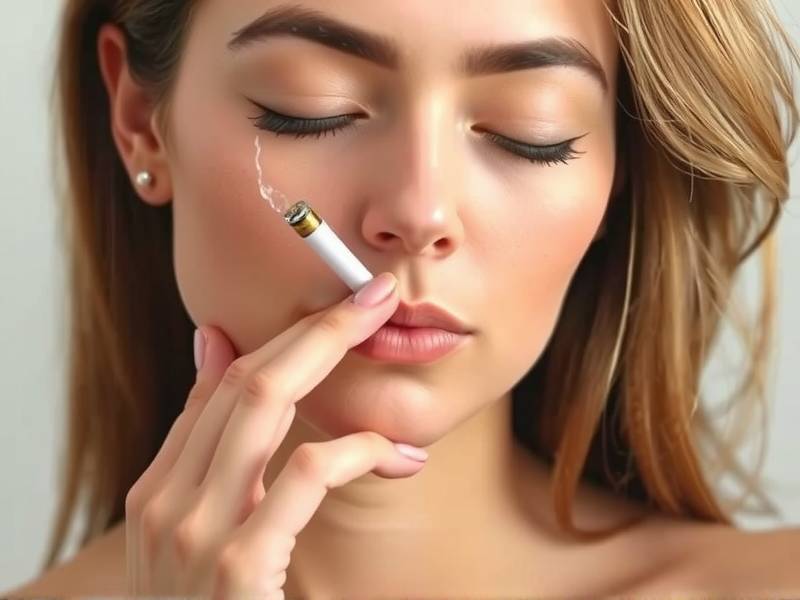
Understanding the Impact of Smoking on Your Skin

Smoking has been linked to numerous skin issues due to its harmful effects on collagen and elastin production. Here are some common skin problems you may encounter after quitting smoking:
- Premature Aging: Smokers often exhibit signs of aging earlier than non-smokers, including fine lines, wrinkles, and sagging skin.
- Dark Circles and Puffiness: Smoking can lead to poor circulation, resulting in dark circles and puffy eyes.
- Dryness: The toxins in cigarettes can dehydrate your skin, leading to dryness and flakiness.
Steps to Detoxify Your Skin After Quitting Smoking
-
Hydrate Properly Drinking plenty of water is crucial for flushing out toxins from your body. Aim for at least eight glasses a day to keep your skin hydrated and promote cell turnover.
-
Exfoliate Regularly Exfoliating helps remove dead skin cells that accumulate on the surface due to smoking. Use a gentle exfoliant like a chemical peel or a physical scrub once or twice a week.
-
Use Antioxidant-Rich Products Antioxidants combat free radicals produced by smoking, protecting your skin from further damage. Look for products containing vitamin C, vitamin E, or green tea extract.
-
Moisturize Daily A good moisturizer can help restore your skin's natural barrier and lock in moisture. Choose a hydrating formula with ingredients like hyaluronic acid or glycerin.
-
Incorporate Retinoids into Your Routine Retinoids encourage collagen production and help improve texture and firmness of the skin. Start with a low concentration if you're new to retinoids, as they can cause irritation.
-
Protect Your Skin from UV Radiation Sun damage accelerates aging, so apply sunscreen with an SPF of at least 30 daily, even on cloudy days.
-
Consider Professional Treatments If you're struggling with severe skin issues post-quitting smoking, consider seeking professional help from a dermatologist. Treatments such as chemical peels or laser therapy can help improve your skin's appearance.
Final Thoughts
Detoxifying your skin after quitting smoking requires patience and consistency. By following these steps and incorporating healthy skincare practices into your routine, you'll be well on your way to achieving clearer, healthier-looking skin.
Remember that quitting smoking is an excellent decision for both your health and appearance—your body will thank you!