How Your Body Recovers from Quitting Smoking: A Comprehensive Guide
How Your Body Recovers from Quitting Smoking: A Comprehensive Guide
Introduction: Quitting smoking is a significant decision that can transform your health and well-being. Understanding how your body recovers after you quit can provide motivation and a clearer picture of the benefits of kicking the habit. This comprehensive guide will delve into the various stages of recovery, offering insights into the remarkable changes that occur within your body.
1. Immediate Benefits
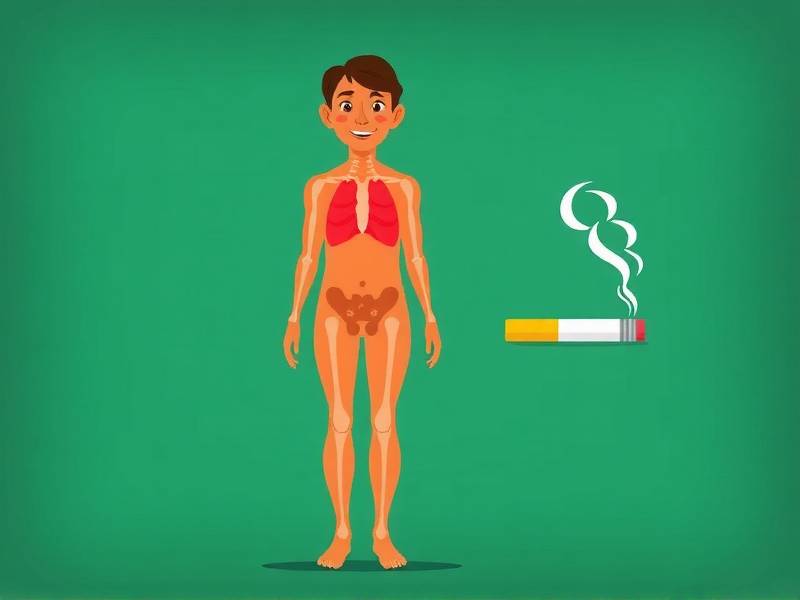
When you quit smoking, your body begins to experience immediate benefits. Within just 20 minutes after your last cigarette, your heart rate and blood pressure start to drop. The carbon monoxide level in your blood decreases, and the temperature of your hands and feet begins to normalize.
2. Short-Term Recovery (Days to Weeks)
In the first few days and weeks post-quit, you may experience withdrawal symptoms such as cravings, irritability, anxiety, and difficulty concentrating. However, these symptoms are temporary. During this period, your body starts to heal:
- Respiratory System: Your lungs begin to clear out mucus and debris accumulated from smoking.
- Circulatory System: The risk of heart disease starts to decrease as blood vessels begin to repair.
- Immune System: Your immune system strengthens, making you more resistant to infections.
3. Medium-Term Recovery (Weeks to Months)
As you move beyond the initial withdrawal phase, the following changes occur:
- Skin: You may notice an improvement in skin tone and texture as blood flow improves.
- Smell and Taste: Your senses of smell and taste gradually return as cilia in your nose regenerate.
- Heart Health: Your heart rate continues to decrease, reducing the risk of heart disease.
- Blood Pressure: Blood pressure drops further towards normal levels.
4. Long-Term Recovery (Years)
The long-term benefits of quitting smoking are profound:
- Reduced Risk of Cancer: Within 5–10 years after quitting, your risk for lung cancer drops by half compared to continuing smokers.
- Heart Disease: The risk for heart disease decreases significantly within 1–2 years after quitting.
- Strokes: The risk for stroke also decreases over time.
Conclusion: Quitting smoking is a journey that brings about remarkable changes within your body. By understanding how your body recovers from quitting smoking, you can stay motivated on this transformative path towards better health. Remember that every day without a cigarette is a step towards a healthier life.
Remember, seeking support from healthcare professionals or joining support groups can greatly enhance your chances of successful quitting. Embrace the journey with knowledge and determination – because it's never too late to start anew!