
Why Do I Have to Quit Smoking Before Surgery?
The Essential Pre-Surgery Decision: Why Quitting Smoking is Crucial
Subheading: Understanding the Compelling Reasons to Kick the Habit Before Undergoing Surgery
Introduction: When preparing for surgery, there are countless considerations to take into account. One of the most significant decisions patients often face is whether to quit smoking. This article delves into the critical reasons why quitting smoking before surgery is not just advisable but essential for a smooth and successful recovery.
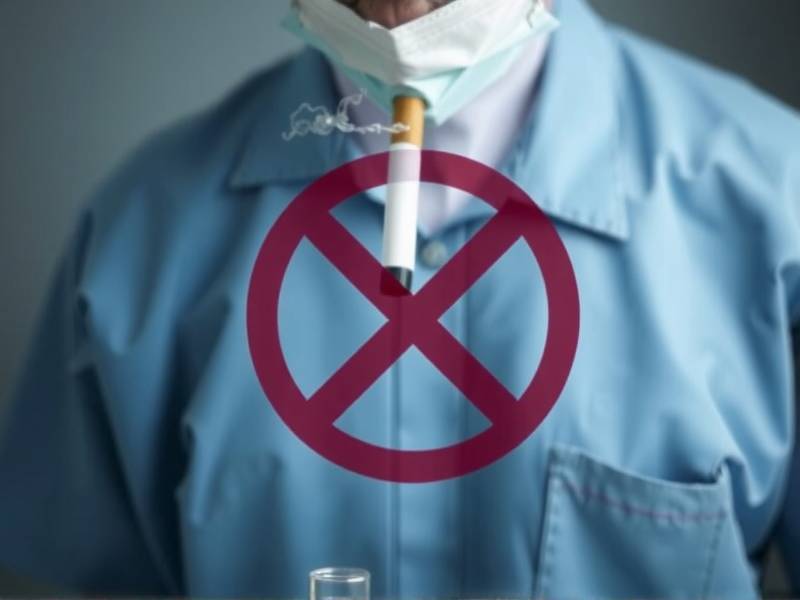
Why Quit Smoking Before Surgery?
-
Reduced Risk of Complications One of the primary reasons why smoking cessation before surgery is crucial is the reduced risk of complications. Smoking impairs blood flow and increases inflammation, which can lead to a longer healing process and an increased risk of infection, blood clots, and other post-surgical complications.
-
Enhanced Wound Healing The healing process after surgery can be significantly delayed due to smoking. Nicotine and other harmful chemicals in cigarettes constrict blood vessels, reducing oxygen supply to tissues and slowing down the healing process. Quitting smoking before surgery allows your body to heal more efficiently.
-
Improved Oxygen Supply Smoking reduces the amount of oxygen in your bloodstream, which can impact your body's ability to recover from surgery. By quitting smoking, you increase oxygen levels, helping your body repair itself more effectively.
-
Lower Risk of Respiratory Issues Patients who smoke are at a higher risk for respiratory complications after surgery, such as pneumonia or bronchitis. Quitting smoking before undergoing surgery can significantly reduce this risk.
-
Faster Recovery Time Quitting smoking can lead to a faster recovery time after surgery due to improved overall health and healing capabilities.
-
Enhanced Anesthesia Outcomes Smokers may require higher doses of anesthesia during surgery due to their impaired lung function. Quitting smoking before surgery can result in better anesthesia outcomes and reduce the risk of adverse reactions.
-
Long-Term Health Benefits Finally, quitting smoking before surgery sets the stage for long-term health benefits beyond just recovery from the procedure itself. By breaking free from this habit, you reduce your risk of developing chronic diseases like heart disease, stroke, and cancer.
Conclusion: In conclusion, quitting smoking before undergoing surgery is an essential step towards ensuring a successful recovery with minimal complications. The benefits extend beyond immediate post-surgical care and contribute to overall health improvements over time. If you're considering undergoing surgery, it's never too late to quit smoking – start today for a healthier tomorrow!