
How to Make Your Lungs Healthy After Quitting Smoking
Revitalize Your Lungs: A Comprehensive Guide to Post-Quitting Smoking Health
Introduction: The decision to quit smoking is a significant step towards a healthier life. However, the journey doesn't end there. Once you've made the switch, it's crucial to focus on regaining lung health. This article provides a comprehensive guide on how to make your lungs healthy after quitting smoking, with practical tips and insights from health experts.
Understanding Lung Damage from Smoking
The Reality of Smoking-Induced Damage: Smoking causes irreversible damage to the lungs, leading to conditions like chronic bronchitis, emphysema, and even lung cancer. The first step in healing is understanding the extent of the damage.
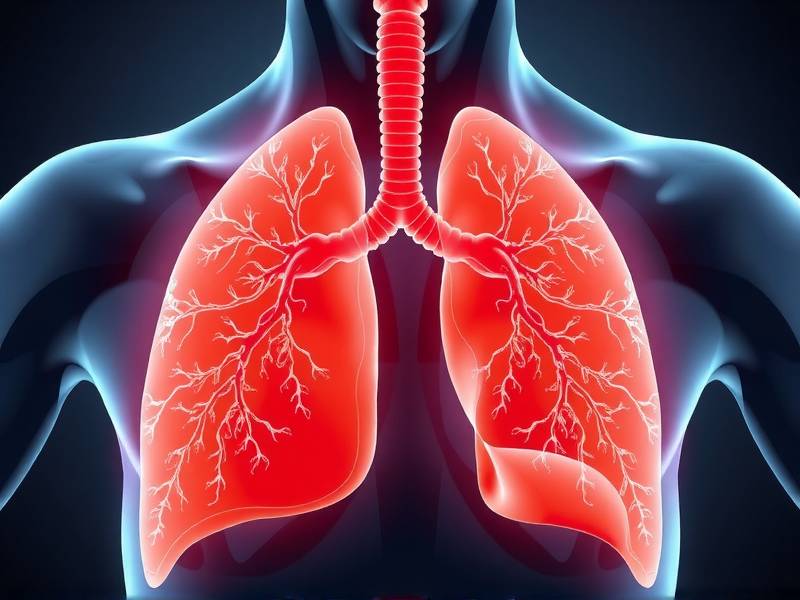
Symptoms of Lung Damage: Common symptoms include shortness of breath, coughing with mucus, and frequent respiratory infections.
Steps to Restore Lung Health
1. Start with Proper Breathing Exercises
Deep Breathing Techniques: Engaging in deep breathing exercises can help improve lung capacity and oxygenation. Techniques like diaphragmatic breathing are particularly beneficial.
2. Increase Physical Activity Gradually
Gradual Exercise Routine: Regular physical activity is key to strengthening the respiratory muscles and improving lung function. Start with low-intensity exercises like walking or swimming and gradually increase intensity.
3. Maintain a Healthy Diet
Nutritious Eating Habits: A diet rich in fruits, vegetables, lean proteins, and whole grains can provide essential nutrients for lung repair.
4. Stay Hydrated
Hydration for Lung Function: Drinking plenty of water helps thin mucus and makes it easier for your body to expel it.
5. Avoid Exposure to Pollutants and Secondhand Smoke
Protect Your Lungs: Minimize exposure to secondhand smoke and environmental pollutants which can exacerbate lung issues.
Advanced Strategies for Lung Repair
1. Pulmonary Rehabilitation Programs
Professional Guidance: Enroll in pulmonary rehabilitation programs that offer personalized advice and support for lung health recovery.
2. Oxygen Therapy
Oxygen Support: For those with more severe lung damage, oxygen therapy may be recommended by a healthcare professional.
3. Medications for Symptom Relief
Medication Options: In some cases, medications may be prescribed to manage symptoms such as coughing or shortness of breath.
Monitoring Progress
It's important to regularly monitor your progress:
- Regular Check-Ups: Schedule regular medical check-ups with your doctor.
- Self-Evaluation: Keep track of any changes in symptoms or breathing difficulties.
Conclusion
Quitting smoking is just the beginning of a new chapter in your life where you can take proactive steps towards restoring your lung health. By following these strategies and maintaining a healthy lifestyle, you can significantly improve your respiratory function and overall well-being.
Remember, every breath you take post-quitting is a step towards healing your lungs—embrace this journey with patience and determination.