
How Long After Quitting Smoking Does Coughing Usually Start?
Understanding the Timeline: When Does Coughing Typically Begin Post-Quitting Smoking?
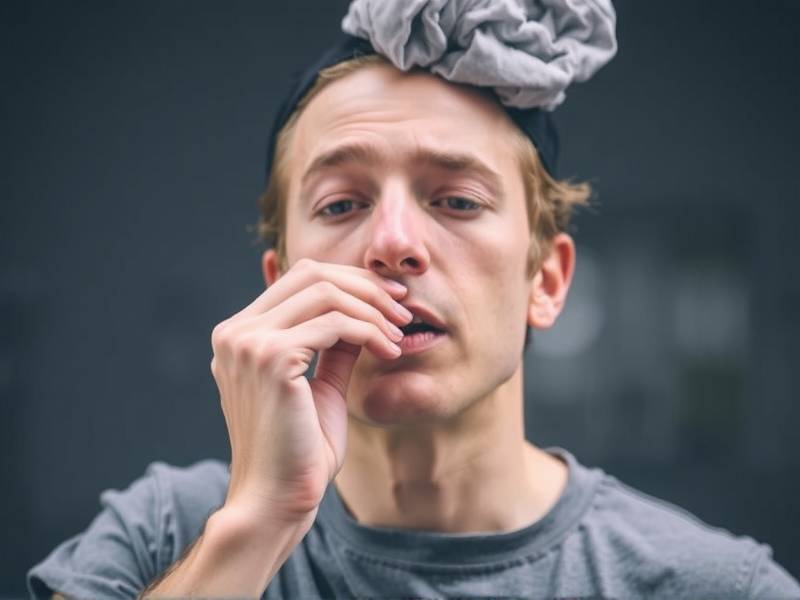
Introduction: Quitting smoking is a significant step towards a healthier lifestyle. However, it's common for individuals to experience various withdrawal symptoms after ceasing this habit. One of the most frequent concerns is the onset of coughing. This article aims to provide insight into how long after quitting smoking coughing usually starts and what causes it.
Section 1: The Process of Quitting Smoking When you quit smoking, your body begins to undergo several changes. The withdrawal symptoms can vary from person to person, and they often include coughing. Understanding the process can help you anticipate and manage these symptoms effectively.

Section 2: How Long After Quitting Smoking Does Coughing Typically Start? The onset of coughing after quitting smoking can vary widely among individuals. On average, it may start within a few days to a few weeks after quitting. However, some people may experience coughing even a month or two later.
Subsection 2.1: Immediate Onset of Cough For some individuals, coughing may begin immediately after quitting smoking. This is often due to the body's attempt to clear out accumulated mucus and tar from the lungs.
Subsection 2.2: Delayed Onset of Cough In other cases, coughing may not appear until several weeks post-quit date. This delay could be due to factors such as individual differences in lung health or the amount of time smoked before quitting.
Section 3: Causes of Post-Quit Cough The primary cause of coughing after quitting smoking is the body's natural response to removing accumulated tar and mucus from the lungs. Other factors that can contribute to post-quit cough include:
Subsection 3.1: Increased Mucus Production Quitting smoking leads to an increase in mucus production as your body tries to clear out debris from years of smoking.
Subsection 3.2: Irritation in Lungs and Airways The irritants present in tobacco smoke can cause inflammation and irritation in your lungs and airways, which might trigger a cough post-quit.
Section 4: Managing Post-Quit Cough While it's normal for coughing to occur after quitting smoking, there are ways you can manage it:
Subsection 4.1: Stay Hydrated Drinking plenty of water helps thin out mucus, making it easier for your body to expel it.
Subsection 4.2: Use Steam Therapy Steam therapy can help soothe your airways and reduce inflammation, thereby alleviating咳嗽.
Subsection 4.3: Avoid Irritants Stay away from secondhand smoke, dust, pollen, or any other irritants that could exacerbate your cough.
Conclusion: Quitting smoking is a challenging endeavor, but understanding when symptoms like coughing might occur can help you stay motivated and focused on your goal of a smoke-free life. Remember that these symptoms are temporary and that each individual's experience may vary.
By taking proactive steps like staying hydrated and avoiding irritants, you can navigate this phase more comfortably on your journey towards better health. Keep in mind that seeking medical advice if persistent symptoms arise is always advisable.