
How Fast Do Lungs Heal After Quitting Smoking? The Science Behind the Recovery Process
"The Swift Journey of Lung Recovery: Unveiling the Science Behind Smoking Cessation"
Introduction: The decision to quit smoking is a monumental step towards a healthier life. Many smokers are eager to know how quickly their lungs can bounce back after quitting. This article delves into the science behind lung recovery, providing insights into the remarkable journey of healing that begins once you kick the habit.
Understanding Lung Damage
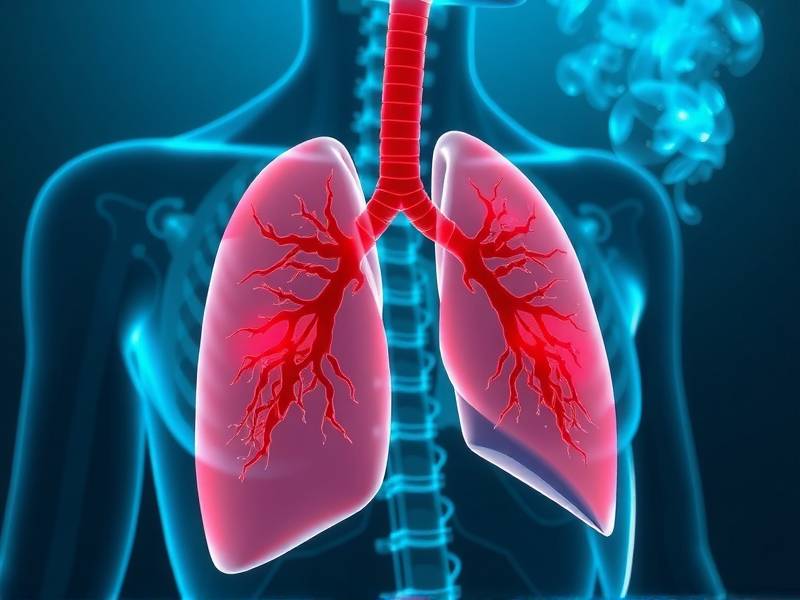
Smoking causes significant damage to the lungs, leading to inflammation, reduced oxygen capacity, and impaired lung function. The toxins in cigarettes can cause permanent damage to lung tissue and lead to conditions such as chronic obstructive pulmonary disease (COPD) and lung cancer.
The Healing Timeline
The recovery process varies from person to person, but here's a general timeline of what happens after quitting smoking:
Weeks 1-3:
- The body starts to eliminate nicotine and other harmful chemicals from the system.
- Breathing becomes easier as the lungs begin to clear out mucus and debris.
- Smell and taste may improve as the cilia (hair-like structures in the lungs) start regenerating.
Weeks 4-9:
- The risk of heart attack decreases significantly.
- The lungs' ability to exchange oxygen improves as capillaries repair themselves.
- Energy levels typically increase as circulation improves.
Months 6-12:
- There is a noticeable reduction in coughing and shortness of breath.
- The risk of heart disease continues to decline.
- Lung function may improve by up to 10%.
Years 1-5:
- The risk of stroke decreases significantly.
- The risk of developing COPD is cut by half compared to a continuing smoker.
Long-term Recovery
Over time, continued abstinence from smoking can lead to even greater improvements in lung health. Here's what you can expect:
5 years post-quitting:
- The risk of cancer in the mouth, throat, esophagus, and pancreas decreases significantly.
10 years post-quitting:
- The risk of developing COPD is similar to that of a nonsmoker.
15 years post-quitting:
- The risk of heart disease is similar to that of a nonsmoker.
Conclusion:
The journey towards healthier lungs after quitting smoking is swift yet remarkable. Understanding this process can provide motivation for those considering taking this life-changing step. By making informed decisions about your health, you're not just improving your own life but also setting an example for others. Remember, it's never too late to start healing your lungs – one smoke-free day at a time.