
How much weight do you typically gain when you quit smoking?
Understanding Weight Gain After Quitting Smoking: A Comprehensive Guide
Introduction: Quitting smoking is a significant step towards a healthier lifestyle, but it often comes with unexpected challenges, such as weight gain. Many individuals are curious about the average amount of weight they can expect to gain when they quit smoking. In this article, we will explore the factors contributing to weight gain after quitting, provide insights into the typical weight gain experienced by former smokers, and offer practical tips to manage this common concern.
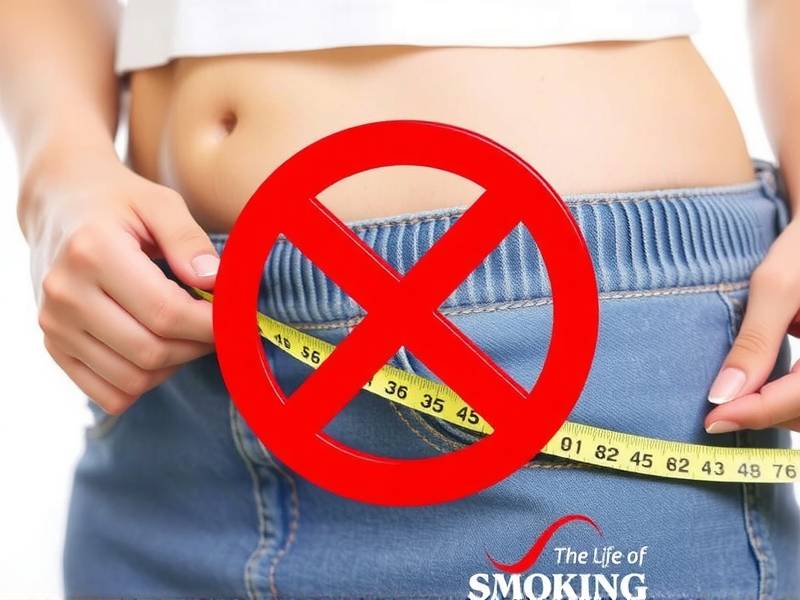
What Causes Weight Gain After Quitting Smoking?
-
Nicotine Withdrawal When you quit smoking, your body goes through nicotine withdrawal, which can lead to an increase in appetite and cravings for high-calorie foods. This is because nicotine acts as an appetite suppressant and can decrease your metabolism.
-
Stress Reduction Quitting smoking can be stressful for some individuals. To cope with this stress, they may turn to comfort foods or emotional eating, leading to weight gain.
-
Increased Physical Activity While it's beneficial to increase physical activity when quitting smoking, some individuals may compensate for the calories burned by consuming more food than usual.
How Much Weight Do You Typically Gain?
The amount of weight gained after quitting smoking varies from person to person. On average, former smokers may gain anywhere from 5 to 15 pounds (2.3 to 6.8 kilograms). However, some individuals may experience more significant weight gain.
Factors Influencing Weight Gain:
- Age: Younger adults tend to gain less weight than older adults when they quit smoking.
- Gender: Women are more likely to gain weight than men when they quit smoking.
- Body Mass Index (BMI): Individuals with a higher BMI at the time of quitting are more likely to experience significant weight gain.
- Smoking Habits: Smokers who smoked more cigarettes per day or had smoked for a longer duration are more likely to experience substantial weight gain.
Managing Weight Gain After Quitting Smoking:
- Plan Your Diet: Focus on nutrient-rich foods and avoid high-calorie snacks.
- Stay Hydrated: Drinking plenty of water can help reduce appetite and flush out toxins from your body.
- Increase Physical Activity: Incorporate regular exercise into your daily routine.
- Seek Support: Join support groups or consult a healthcare professional for guidance on managing your weight while quitting smoking.
Conclusion:
Weight gain is a common concern among individuals who quit smoking; however, it's important not to let this deter you from making a healthier choice for your body and mind. By understanding the factors contributing to weight gain and implementing practical strategies, you can successfully manage any potential weight fluctuations while enjoying the numerous health benefits of quitting smoking.
References:
- Centers for Disease Control and Prevention (CDC): https://www.cdc.gov/tobacco/campaign/tips/weight-gain.html
- National Institute on Drug Abuse (NIDA): https://www.drugabuse.gov/publications/research-reports/smoking-cigarettes/quit-smoking-weight-gain