
Do Your Lungs Really Clean Themselves After Quitting Smoking? The Truth You Need to Know
Introduction: The Persistent Myth of Lung Self-Cleaning
When it comes to quitting smoking, one of the most enduring myths is that the lungs can "clean themselves" after you stop smoking. This belief is comforting, but does it hold up to scientific scrutiny? Let's delve into the truth behind this myth.
The Reality of Smoking's Effects on the Lungs
Smoking is a well-known cause of lung damage. The harmful chemicals in tobacco smoke can lead to chronic obstructive pulmonary disease (COPD), emphysema, and lung cancer. When you quit smoking, your body begins a process of repair and healing, but does it really clean itself?
How Your Body Heals After Quitting Smoking
Immediate Benefits
As soon as you quit smoking, your body starts to reverse some of the damage caused by tobacco smoke. For example, carbon monoxide levels in your blood return to normal within 12 hours. This means that your oxygen-carrying capacity improves almost immediately.
Long-Term Benefits
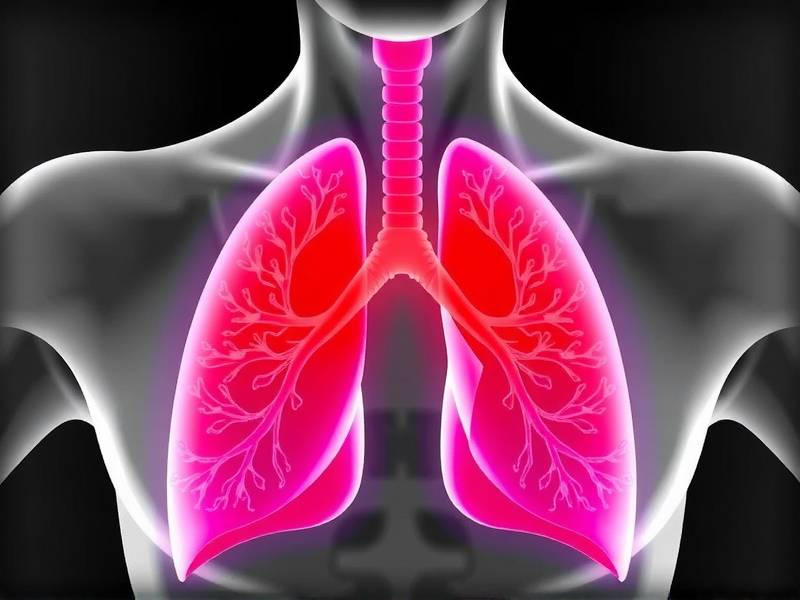
Over time, your lungs continue to heal. Within a few weeks, your risk of heart disease starts to decline. Within 1-9 months, your coughing and shortness of breath may improve significantly. And within 5-15 years after quitting, your risk of stroke and cancer may drop to near that of a nonsmoker.
The Role of Lung Clearance
While your body is repairing itself after quitting smoking, it's not entirely accurate to say that your lungs are "cleaning themselves." Instead, the process involves clearing out accumulated mucus and other debris from the airways.
Mucus Clearance
Your lungs produce mucus as a natural defense mechanism against irritants like smoke. When you quit smoking, the production of mucus decreases as inflammation subsides. This mucus then needs to be cleared from the airways.
Breathing Exercises
Certain breathing exercises can help improve lung function and clear out mucus more effectively. These exercises involve deep breathing techniques that help expand the lungs and increase airflow.
Scientific Evidence: What Does Research Say?
Numerous studies have shown that quitting smoking leads to significant improvements in lung function over time. A study published in The Lancet Respiratory Medicine found that former smokers had lower rates of COPD than current smokers even after adjusting for age and other factors.
Conclusion: The Importance of Quitting Smoking for Lung Health
While it's not entirely accurate to say that your lungs clean themselves after quitting smoking, there's no denying the benefits of quitting for lung health. By taking steps like breathing exercises and staying hydrated, you can help speed up the healing process and reduce symptoms associated with smoking-related lung diseases.
Remember, every day without a cigarette brings you one step closer to healthier lungs and a longer life. So if you're considering quitting or have already taken the plunge, keep these truths in mind as you embark on this life-changing journey towards better health.