
How to Help Your Body Heal After Quitting Smoking: Effective Methods and Tips
Navigating the Healing Journey: How to Support Your Body After Quitting Smoking
Introduction: Quitting smoking is a significant step towards a healthier life. However, the journey to recovery doesn't end with the last puff. Our bodies require time and care to heal from the years of tobacco exposure. In this article, we delve into effective methods and practical tips to help your body heal after quitting smoking.
Understanding the Healing Process
1. Detoxification
The first step in healing is detoxification. Toxins from smoking accumulate in the body's tissues and organs, including the lungs, heart, and blood vessels. As you quit smoking, your body begins to rid itself of these harmful substances.
Tip: Increase water intake to aid in flushing out toxins and support kidney function.
2. Lung Function Improvement
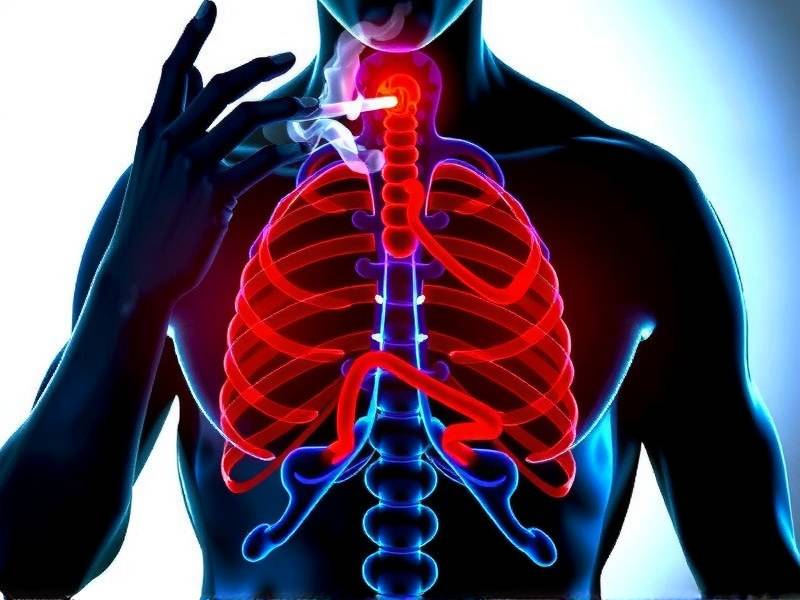
Your lungs are among the first organs to benefit from quitting smoking. Over time, they can start to clear out mucus and debris accumulated due to smoking.
Tip: Practice deep breathing exercises regularly to enhance lung capacity and improve oxygenation.
Effective Methods for Healing
1. Nutrition
A balanced diet rich in vitamins, minerals, and antioxidants can significantly speed up the healing process.
Tip: Incorporate plenty of fruits, vegetables, lean proteins, whole grains, and healthy fats into your meals.
2. Exercise
Physical activity boosts circulation, improves lung function, and helps manage stress—crucial factors for healing after quitting smoking.
Tip: Start with low-intensity exercises like walking or swimming and gradually increase intensity as you become more comfortable.
3. Stress Management
Stress can lead to cravings or relapse into smoking habits. Finding effective stress management techniques is essential for long-term recovery.
Tip: Engage in activities such as meditation, yoga, or hobbies that help you relax and unwind.
Practical Tips for Success
1. Create a Support System
Surround yourself with friends, family members, or support groups who understand your journey and offer encouragement.
Tip: Join a local or online community of former smokers for mutual support and advice.
2. Track Your Progress
Keep a journal or use an app to monitor your progress towards quitting smoking and note any improvements in your health.
Tip: Celebrate small milestones along the way to stay motivated.
3. Professional Help
If you're struggling with cravings or withdrawal symptoms, consider seeking help from healthcare professionals such as doctors or therapists specializing in addiction treatment.
Conclusion: The road to healing after quitting smoking is unique for each individual but following these effective methods and practical tips can make it smoother. Remember that patience is key; give yourself time to heal while celebrating each step forward on this transformative journey towards better health.