
Does Emphysema Improve After Quitting Smoking?
The Remarkable Transformation: Does Emphysema Improve After Quitting Smoking?
Introduction: Emphysema, a chronic obstructive pulmonary disease (COPD), is a condition that affects the lungs, leading to difficulty in breathing. For those who have been struggling with this condition, the question often arises: does emphysema improve after quitting smoking? This article delves into the impact of smoking cessation on emphysema and explores the potential benefits for individuals battling this respiratory illness.
Understanding Emphysema: Emphysema is characterized by the damage to the air sacs in the lungs, which leads to their enlargement and loss of elasticity. This damage is primarily caused by long-term exposure to irritants, particularly tobacco smoke. As a result, individuals with emphysema experience symptoms such as shortness of breath, wheezing, and chronic cough.
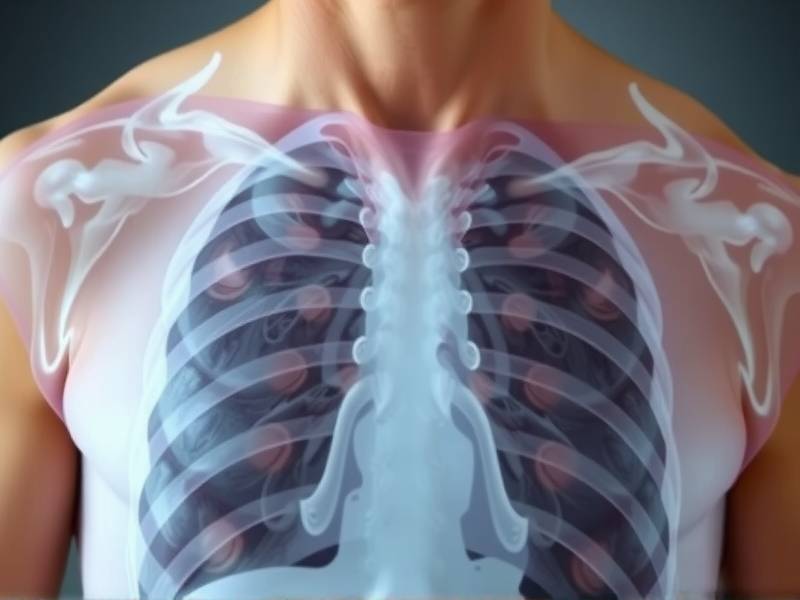
The Power of Quitting Smoking: Research has consistently shown that quitting smoking can significantly improve lung health and slow down the progression of emphysema. When individuals stop smoking, they give their lungs a chance to heal and reduce further damage. Here are some key points highlighting the benefits of quitting smoking for emphysema patients:
-
Reduced Inflammation: Smoking triggers inflammation in the lungs, contributing to the progression of emphysema. By quitting smoking, individuals can lower inflammation levels and potentially slow down lung damage.
-
Improved Oxygen Supply: Smoking reduces oxygen flow to the body's tissues, including the lungs. Quitting smoking allows for better oxygen supply, enhancing overall lung function.
-
Enhanced Lung Capacity: Over time, smoking can lead to a decrease in lung capacity. However, research suggests that by quitting smoking, individuals with emphysema can experience an improvement in lung capacity and breathing efficiency.
-
Reduced Risk of Complications: Quitting smoking significantly reduces the risk of developing complications associated with emphysema, such as respiratory infections and cardiovascular diseases.
-
Improved Quality of Life: Many individuals with emphysema report improved quality of life after quitting smoking. They experience fewer symptoms and find it easier to carry out daily activities without significant discomfort or fatigue.
The Journey towards Recovery: While quitting smoking can bring about significant improvements in lung health for individuals with emphysema, it is important to note that complete recovery may not be possible due to irreversible damage caused by long-term smoking. However, taking steps towards戒烟 can still make a remarkable difference.
Supporting Resources: For those struggling with quitting smoking or managing emphysema, various resources are available:
- Consultation with healthcare professionals: Doctors and respiratory therapists can provide personalized guidance and support throughout the quit journey.
- Support groups: Joining support groups allows individuals to connect with others who are going through similar experiences.
- Nicotine replacement therapy or prescription medications: These options can help alleviate withdrawal symptoms during the quitting process.
- Behavioral therapy: Professional counseling or therapy sessions can assist individuals in developing effective strategies for overcoming cravings.
Conclusion: In conclusion, quitting smoking offers numerous benefits for individuals with emphysema. By reducing inflammation, improving oxygen supply, enhancing lung capacity, reducing complications risk, and improving overall quality of life; giving up tobacco smoke becomes a crucial step towards bettering one's health. While complete recovery may not be achievable for everyone due to irreversible damage caused by long-term smoking; taking proactive steps towards quitting provides hope for improved lung function and overall well-being.