
How Do Your Lungs Improve After You Quit Smoking?
The Journey to Better Health: Understanding Lung Recovery
Quitting smoking is a significant step towards a healthier life, and one of the most noticeable benefits is the improvement in lung function. As you embark on this transformative journey, it's essential to understand how your lungs change over time and the remarkable improvements that can occur. Let's delve into the fascinating journey of lung recovery after quitting smoking.
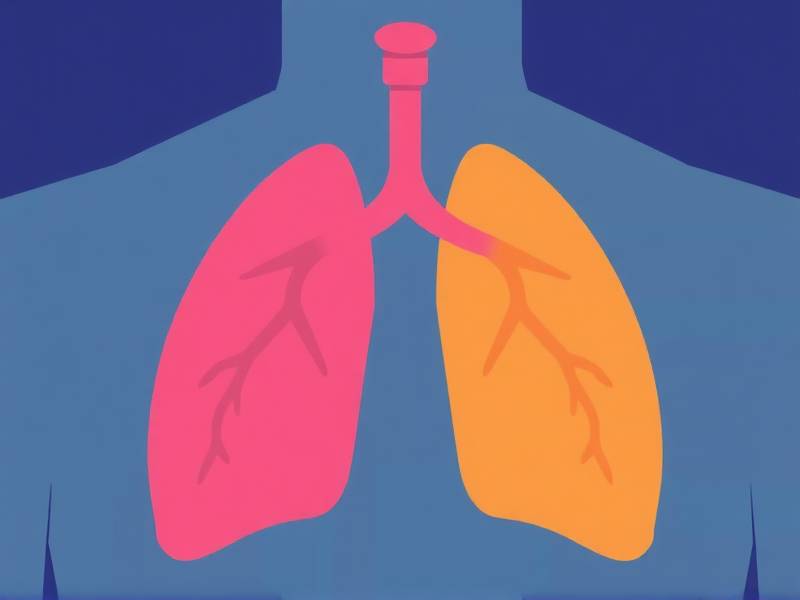
Immediate Benefits: The First 48 Hours
The moment you quit smoking, your body begins its healing process. Within just 48 hours, your lungs start to clear out the tar and mucus that have accumulated due to years of smoking. This initial phase can be challenging as your body adjusts to the absence of nicotine, but it's crucial for setting the stage for long-term lung health.
The First Week: Breathing Easier
After about a week, you'll likely notice an improvement in your breathing. Your lungs are beginning to expand and fill with air more effectively, leading to easier and more comfortable breathing. This is a sign that your respiratory system is starting to recover from the constant irritation caused by smoke.
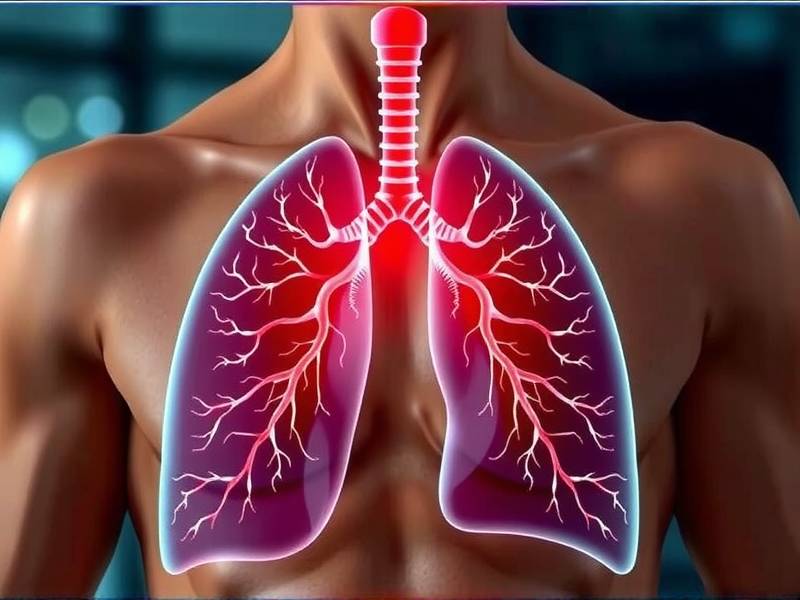
The First Month: A Clearer Breath
In the first month post-quit, many individuals report feeling more energetic and experiencing fewer respiratory symptoms like coughing or shortness of breath. Your lungs are continuing to clear out toxins, and your immune system is strengthening, making you less susceptible to respiratory infections.
The First Year: Enhanced Lung Function
After a year without cigarettes, you'll see substantial improvements in lung function. Your risk of developing chronic bronchitis or emphysema decreases significantly compared to someone who continues smoking. Your lung capacity may also increase by up to 10%, allowing for better overall fitness and exercise tolerance.
The Long-Term Impact: Years of Abstinence
Over time, as you continue to avoid tobacco products, your lungs will continue to improve. The risk of heart disease and stroke decreases, as does the risk of cancer. Your lungs may even reach a state where they are comparable to those of someone who never smoked.
Supporting Lung Health
While quitting smoking is the first step in improving lung health, there are other measures you can take:
- Stay Active: Regular exercise can help improve lung capacity.
- Maintain a Healthy Diet: A balanced diet rich in fruits and vegetables can support overall health.
- Avoid Secondhand Smoke: Protect yourself from exposure to secondhand smoke.
- Regular Check-ups: Regular medical check-ups can help monitor your lung health.
Conclusion
The road to healthier lungs after quitting smoking is one of gradual improvement over time. Each day without a cigarette brings you closer to enjoying improved respiratory function and reduced risks associated with smoking. Embrace this journey with patience and determination; your lungs—and your body—will thank you for it.
Remember, it's never too late to quit smoking. For additional support and resources on quitting smoking, consider visiting reputable websites such as American Lung Association or National Cancer Institute.