
Do You Feel More Tired When You Quit Smoking? The Truth About Cigarette Addiction and Fatigue
Do You Feel More Tired When You Quit Smoking? The Truth About Cigarette Addiction and Fatigue
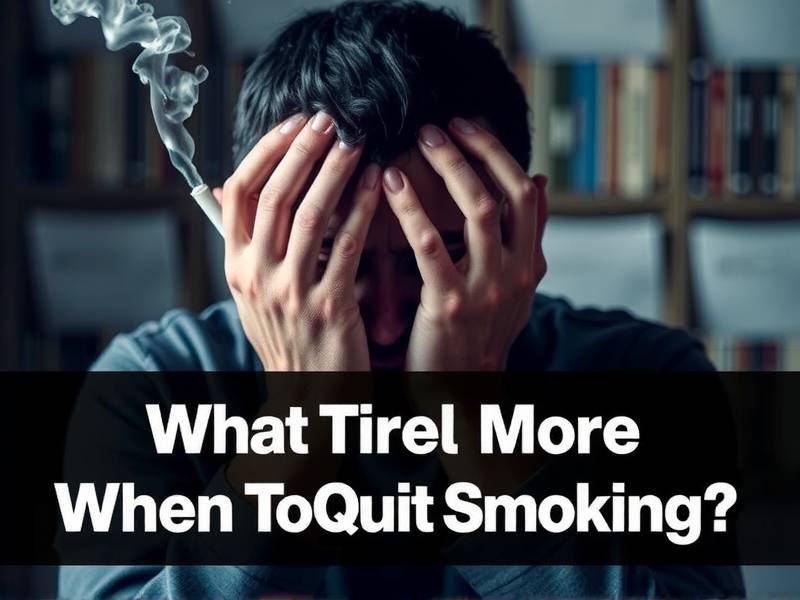
Introduction: The decision to quit smoking is a significant step towards a healthier life. However, many smokers report experiencing increased fatigue after quitting. In this article, we delve into the truth behind cigarette addiction and its impact on fatigue, helping you understand why you might feel more tired when you give up smoking.
I. Understanding Cigarette Addiction: Cigarettes contain nicotine, a highly addictive substance that affects the brain's reward system. When you smoke, nicotine triggers the release of dopamine, creating a sense of pleasure and relaxation. Over time, your body becomes dependent on nicotine to function normally, leading to withdrawal symptoms when you stop smoking.

II. Withdrawal Symptoms and Fatigue: One of the most common withdrawal symptoms experienced by smokers is fatigue. This feeling of tiredness can be attributed to several factors:
A. Nicotine Withdrawal: As your body adjusts to lower levels of nicotine after quitting, it may experience a temporary decrease in energy levels.
B. Sleep Disruption: Smoking often disrupts sleep patterns due to nicotine's stimulating effects. Quitting smoking can lead to improved sleep quality but may initially cause temporary insomnia or restless sleep.
C. Stress Reduction: Smoking is often used as a coping mechanism for stress. Without this crutch, some individuals may experience heightened stress levels, leading to increased fatigue.
III. Strategies to Manage Fatigue: If you're experiencing fatigue while quitting smoking, here are some effective strategies:
A. Establish a Sleep Routine: Create a consistent bedtime routine that promotes relaxation and improves sleep quality.
B. Stay Hydrated: Dehydration can exacerbate feelings of tiredness, so drink plenty of water throughout the day.
C. Exercise Regularly: Physical activity increases energy levels and improves overall well-being.
D. Seek Support: Joining a support group or speaking with a healthcare professional can provide guidance and encouragement during your quit journey.
IV. Long-Term Benefits of Quitting Smoking: While it may be challenging initially, quitting smoking offers numerous long-term benefits that outweigh short-term discomforts like fatigue:
A. Improved Heart Health: Within weeks of quitting, your heart rate and blood pressure begin to normalize.
B. Enhanced Lung Function: Over time, your lungs will repair themselves and improve their ability to oxygenate your blood.
C. Reduced Risk of Chronic Diseases: Quitting smoking significantly lowers your risk of developing heart disease, stroke, cancer, and other chronic conditions.
Conclusion: Feeling more tired when you quit smoking is a common experience due to nicotine withdrawal and other factors related to addiction and sleep disruption. By understanding these challenges and implementing effective strategies for managing fatigue, you can navigate the quit journey more comfortably and ultimately reap the long-term benefits of giving up smoking for good.