
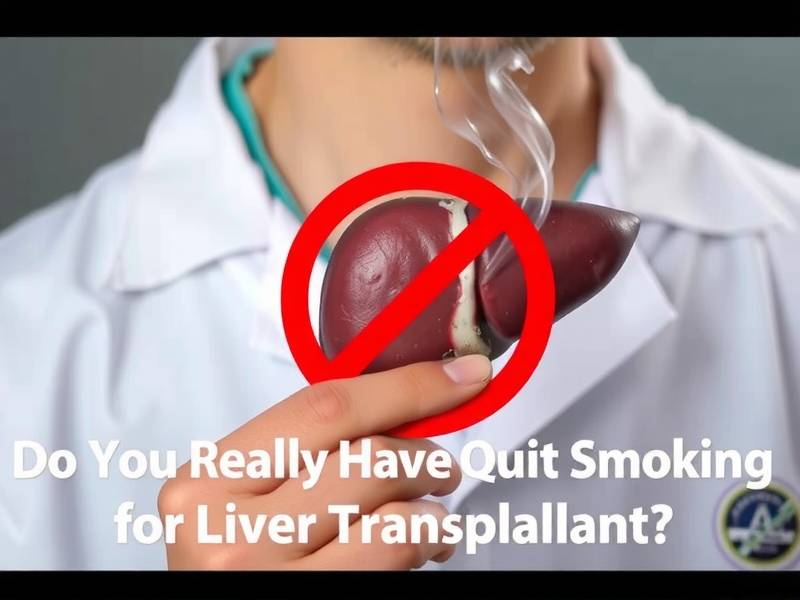
Do You Really Have to Quit Smoking for a Liver Transplant?
Navigating the Path to Liver Transplantation: The Necessity of Quitting Smoking
Subheading: A Comprehensive Guide for Aspiring Candidates
Introduction: Liver transplantation is a life-saving procedure for those suffering from end-stage liver disease. However, many potential candidates may wonder if they really need to quit smoking before undergoing this critical surgery. This article delves into the importance of quitting smoking in the context of liver transplantation, providing valuable insights and information for those facing this significant health decision.

-
The Impact of Smoking on Liver Function Smoking is a well-known risk factor for liver disease. It can exacerbate conditions such as cirrhosis and hepatitis, leading to end-stage liver failure. The toxins present in cigarettes can damage liver cells and hinder the healing process after transplantation.
-
Risks Associated with Smoking Post-Transplantation Continuing to smoke after a liver transplant can have severe consequences. It increases the risk of complications such as rejection, infections, and cardiovascular diseases. Additionally, it can delay recovery and compromise the long-term success of the transplant.
-
Benefits of Quitting Smoking Prior to Liver Transplantation Quitting smoking before a liver transplant has numerous benefits:
a) Improved Chances of Successful Transplantation: Studies have shown that individuals who quit smoking prior to transplantation have better outcomes compared to those who continue smoking.
b) Enhanced Healing Process: Smokers tend to have slower healing rates due to compromised lung function and decreased oxygen supply. Quitting smoking can accelerate recovery and reduce complications post-transplantation.
c) Reduced Risk of Rejection: Smoking increases inflammation in the body, which can lead to rejection of the transplanted organ. By quitting smoking, candidates can lower their risk of rejection.
- Strategies for Quitting Smoking For individuals contemplating a liver transplant, it's crucial to develop a solid plan for quitting smoking:
a) Seek Professional Help: Consult with healthcare professionals who specialize in addiction treatment or refer to reputable websites like Smokefree.gov for guidance on quitting smoking.
b) Utilize Nicotine Replacement Therapy (NRT): NRT products such as patches, gum, lozenges, or inhalers can help alleviate withdrawal symptoms during the quitting process.
c) Create a Support System: Share your goals with friends, family members, or support groups dedicated to helping individuals quit smoking.
- Long-term Success Stories Numerous individuals who have successfully quit smoking before undergoing a liver transplant share their inspiring stories online:
a) "After months of hard work and support from my loved ones, I quit smoking before my transplant surgery. It was one of the best decisions I ever made." - John D., 35 years old
b) "Quitting smoking not only improved my chances of surviving my liver transplant but also significantly enhanced my overall quality of life." - Sarah T., 42 years old
Conclusion: The necessity of quitting smoking before undergoing a liver transplant cannot be overstated. By doing so, candidates can improve their chances of successful transplantation and enhance their long-term survival rates post-surgery. Don't hesitate to seek professional help and create a solid plan for quitting smoking – it's an investment in your health and future well-being.