
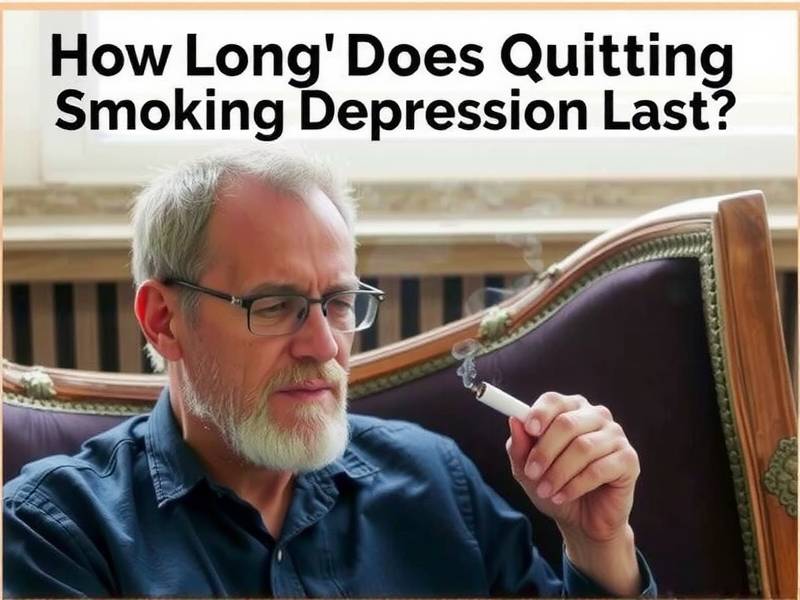
How Long Does Quitting Smoking Depression Last? The Truth You Need to Know
Understanding the Challenge of Quitting Smoking
Quitting smoking is a significant challenge for many, with one of the most daunting aspects being the onset of depression. This article aims to shed light on how long quitting smoking depression typically lasts and what you can do to cope with this difficult phase.
What is Quitting Smoking Depression?
Quitting smoking depression, also known as post-cessation syndrome or nicotine withdrawal syndrome, refers to the emotional and psychological symptoms that occur after someone stops smoking. These symptoms can include feelings of sadness, irritability, anxiety, and restlessness.
The Duration of Quitting Smoking Depression
The duration of quitting smoking depression varies from person to person. Some individuals may experience symptoms for a few days or weeks, while others may struggle for several months. On average, most people find that their symptoms start to diminish after about two weeks but can last up to three months.

Factors Influencing the Duration
Several factors can influence how long quitting smoking depression lasts:
- Nicotine Dependence: The longer someone has smoked and the more cigarettes they smoked daily, the more severe their withdrawal symptoms may be.
- Age: Younger individuals may experience more intense withdrawal symptoms compared to older smokers.
- Support System: Having a strong support system can help alleviate some of the stress associated with quitting smoking.
- Coping Strategies: Effective coping strategies can help manage withdrawal symptoms and reduce their duration.
Coping with Quitting Smoking Depression
Here are some strategies that can help you cope with quitting smoking depression:
- Stay Connected: Reach out to friends, family, or support groups for emotional support.
- Exercise Regularly: Physical activity can improve your mood and reduce stress.
- Practice Relaxation Techniques: Activities like meditation, deep breathing exercises, or yoga can help manage anxiety and irritability.
- Stay on Track: Keep track of your progress by marking off days without smoking on a calendar or using a quit-smoking app.
- Seek Professional Help: If you find it challenging to cope with your emotions, consider seeking help from a mental health professional.
Conclusion
Quitting smoking depression is a common challenge faced by many smokers during their journey towards a smoke-free life. While its duration varies from person to person, understanding its causes and effective coping strategies can make this phase more manageable. Remember that seeking support and adopting healthy habits are key in overcoming this difficult period and achieving long-term success in quitting smoking.
By providing accurate information and practical advice in this article, we hope you'll find it easier to navigate through the challenges of quitting smoking depression and take steps towards a healthier life without tobacco.