
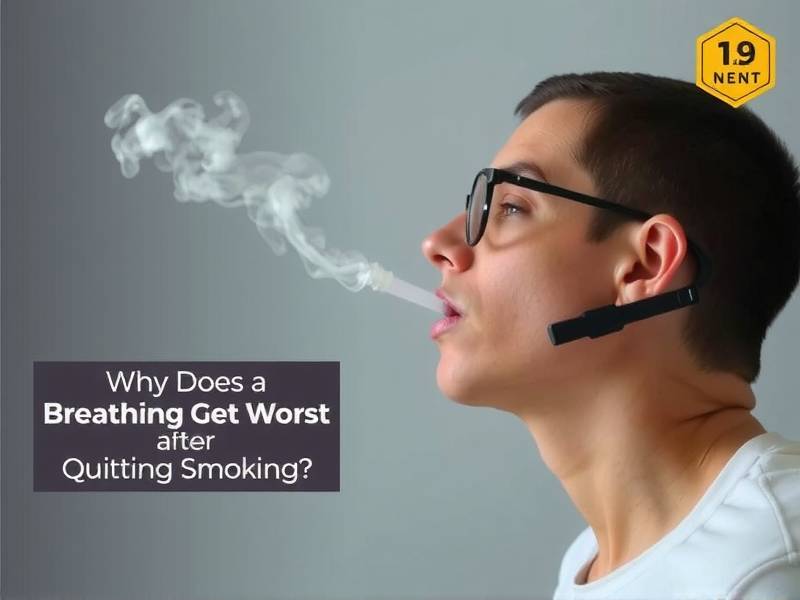
Why Does Breathing Get Worse After Quitting Smoking?
The Intriguing Reason Behind the Decline in Breathing Post-Quitting Smoking
Introduction: Quitting smoking is a commendable decision that many individuals make to improve their health. However, some ex-smokers may experience a decline in their breathing quality after quitting. This article delves into the intriguing reasons behind this phenomenon and provides insights to help understand why breathing gets worse after quitting smoking.
Section 1: The Impact of Smoking on Lungs Subheading: How Smoking Affects Respiratory Health

Smoking is a leading cause of respiratory diseases such as chronic obstructive pulmonary disease (COPD), asthma, and bronchitis. The harmful chemicals present in cigarettes can damage the delicate tissues of the lungs, leading to inflammation and narrowing of airways. Over time, this can result in decreased lung function and breathing difficulties.
Section 2: The Healing Process Post-Quitting Smoking Subheading: Understanding the Healing Process
When individuals quit smoking, their lungs begin to heal and regenerate. However, this healing process can sometimes be accompanied by temporary breathing difficulties. Here are a few reasons why this might happen:
-
Coughing: Ex-smokers often experience an increase in coughing after quitting smoking. This is due to the body's natural response to clear out accumulated mucus and debris from the lungs. The coughing may subside as the lungs continue to heal.
-
Inflammation: The inflammation caused by smoking can persist for some time even after quitting. This inflammation can lead to temporary breathing difficulties until the body's immune system manages to reduce it.
-
Bronchial Constriction: The muscles around the bronchial tubes can remain constricted for a while after quitting smoking. This constriction can cause shortness of breath and difficulty in breathing deeply.
Section 3: Long-term Benefits of Quitting Smoking on Respiratory Health Subheading: The Positive Effects of Quitting Smoking
While it might seem daunting, it's essential to remember that quitting smoking offers numerous long-term benefits for respiratory health:
-
Improved Lung Function: Within just a few weeks of quitting, lung function starts to improve as the body eliminates harmful chemicals from the lungs.
-
Reduced Risk of Respiratory Diseases: Over time, ex-smokers have a lower risk of developing respiratory diseases compared to current smokers.
-
Better Quality of Life: Improved respiratory health translates into better overall quality of life for ex-smokers.
Conclusion: Breathing difficulties post-quitting smoking are often temporary and a sign that your body is healing from years of smoke exposure. While it might be challenging at first, understanding these reasons can help you stay motivated and focused on your journey towards better respiratory health.
Remember that seeking support from healthcare professionals or joining support groups can provide additional guidance and encouragement during this transition period.
Note: The information provided in this article is for general knowledge purposes only and should not replace professional medical advice.