
How Long Do Mouth Ulcers Last After Quitting Smoking?
Understanding the Duration of Mouth Ulcers After Smoking Cessation
Introduction: Quitting smoking is a significant step towards improving one's health, but it often comes with various challenges. One such challenge is dealing with mouth ulcers, which can be quite discomforting. If you've recently quit smoking and are wondering how long these ulcers might last, you've come to the right place. In this article, we will explore the factors influencing the duration of mouth ulcers after quitting smoking and provide you with valuable insights.
Section 1: What Are Mouth Ulcers? Mouth ulcers, also known as canker sores, are small, painful sores that develop on the inside of your mouth. They can appear on your tongue, cheeks, gums, or the roof of your mouth. While they are generally harmless and usually heal within a week or two, their appearance can be quite irritating.
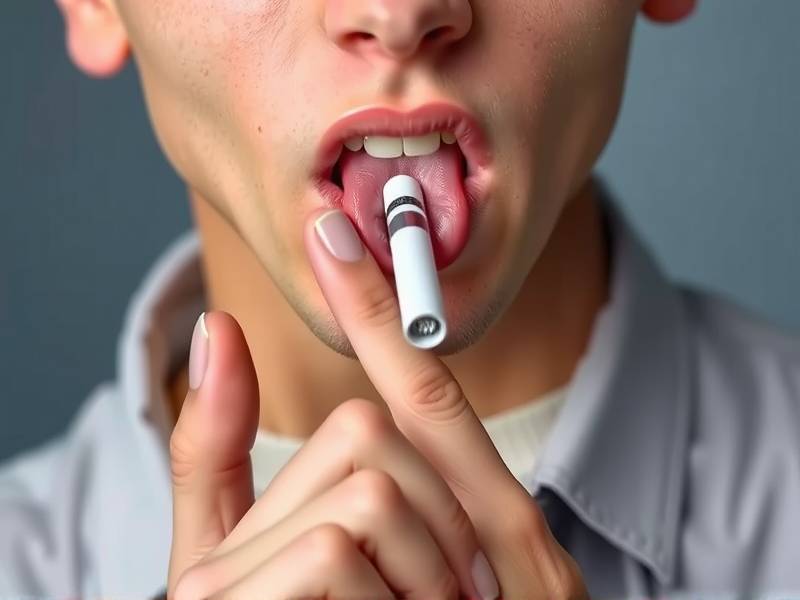
Section 2: How Smoking Contributes to Mouth Ulcers Smoking has been identified as a significant risk factor for developing mouth ulcers. The habit increases inflammation in the mouth and weakens the immune system, making it easier for bacteria and viruses to cause infections that lead to ulcers.
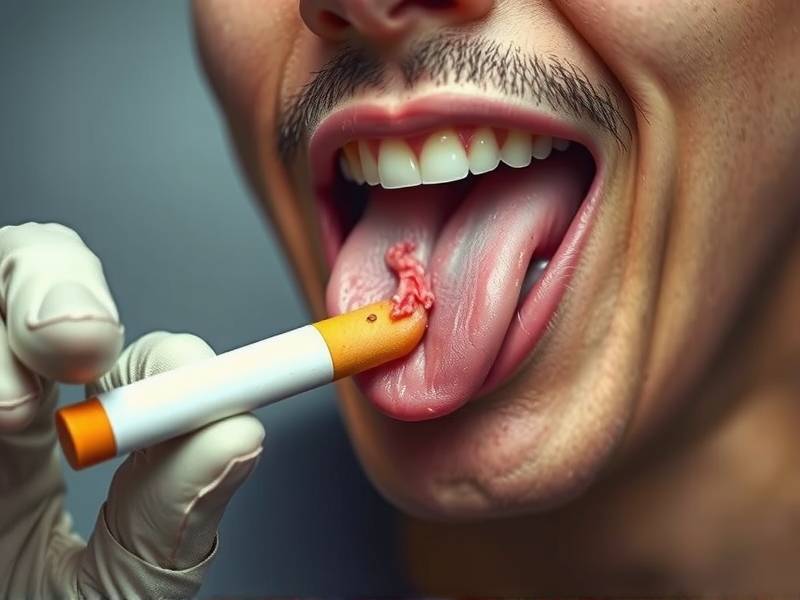
Section 3: How Long Do Mouth Ulcers Last After Quitting Smoking? The duration of mouth ulcers after quitting smoking can vary from person to person. On average, it takes about two weeks for mouth ulcers to heal completely after quitting smoking. However, several factors can influence this timeline:
- Severity of Ulcer: Larger or more severe ulcers may take longer to heal than smaller ones.
- Overall Health: Individuals with weakened immune systems or other health conditions may experience longer healing times.
- Lifestyle Factors: Stress and poor nutrition can slow down the healing process.
- Previous Smoking Habits: Those who have smoked for a longer duration may experience more persistent ulcers.
Section 4: Tips for Faster Healing To speed up the healing process and alleviate discomfort during this period, consider the following tips:
- Maintain Good Oral Hygiene: Brush your teeth gently and avoid using toothpaste containing sodium lauryl sulfate.
- Avoid Spicy Foods: Spicy foods can irritate your ulcers and cause more pain.
- Stay Hydrated: Drink plenty of water throughout the day.
- Manage Stress: Practice relaxation techniques like meditation or deep breathing exercises.
Conclusion: Quitting smoking is a commendable decision that brings numerous health benefits. While dealing with mouth ulcers after quitting may seem daunting, understanding their duration and taking appropriate measures can help alleviate discomfort and promote faster healing. Remember that patience is key during this period as your body adjusts to its new smoke-free state.
Note: This article provides general information only and should not replace professional medical advice or treatment from a healthcare provider for any specific condition or concern you may have regarding your health or well-being.