How to Heal Your Lungs When You Quit Smoking: Effective Methods for Better Health
How to Heal Your Lungs When You Quit Smoking: Effective Methods for Better Health
Introduction: Quitting smoking is a significant step towards improving your overall health. One of the most crucial benefits of quitting is the gradual healing of your lungs. However, the process can be challenging, and it's essential to adopt effective methods to accelerate lung recovery. In this article, we will explore various strategies that can help you heal your lungs when you quit smoking and enhance your well-being.
-
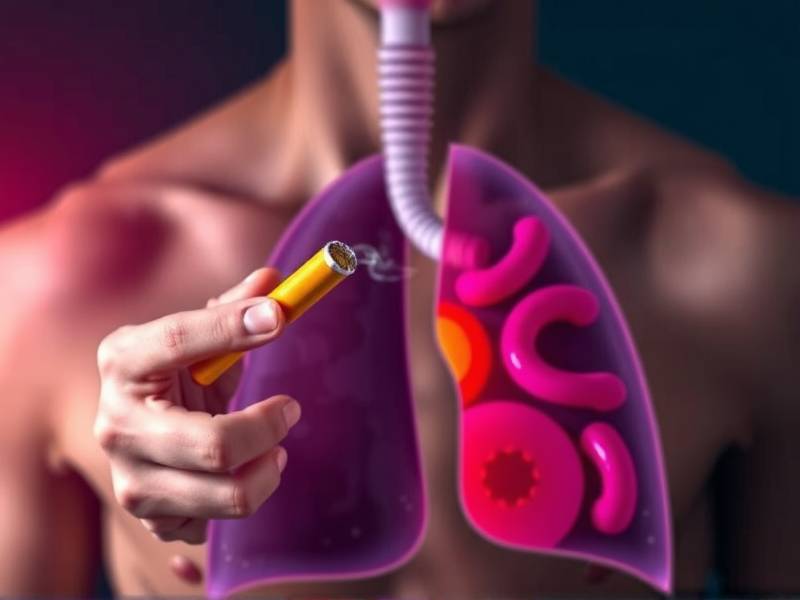
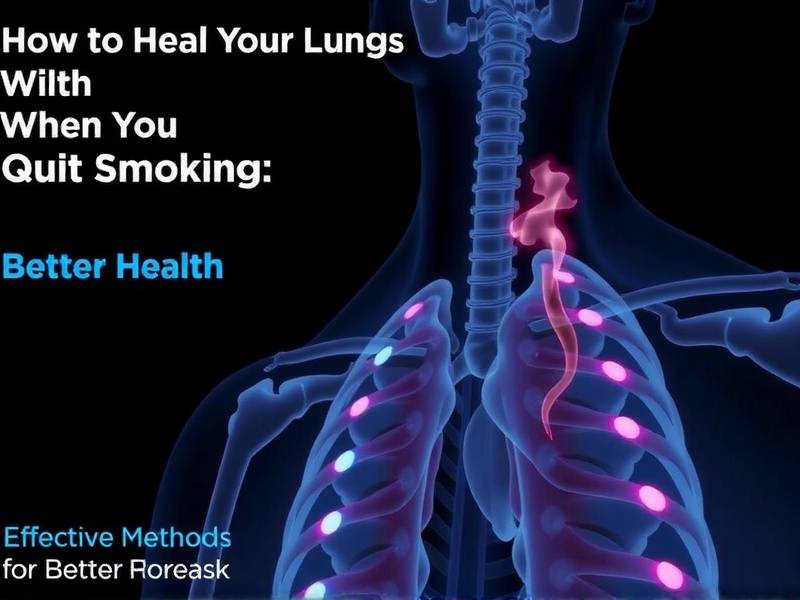
Understanding Lung Damage: Before diving into the healing process, it's vital to understand the extent of lung damage caused by smoking. Smoking leads to inflammation, mucus production, and impaired lung function. The good news is that your body can start repairing itself as soon as you quit.
-
Stop Smoking Techniques: The first step in healing your lungs is to quit smoking altogether. Here are some effective techniques to help you kick the habit:
- Nicotine Replacement Therapy (NRT): NRT products like gum, patches, lozenges, or inhalers can help reduce withdrawal symptoms.
- Behavioral Therapy: Seek support from a therapist or counselor who can guide you through the quitting process.
- Medications: Consult with a healthcare professional about prescription medications that can aid in quitting.
- Healthy Lifestyle Choices: Adopting a healthy lifestyle can significantly speed up lung recovery:
- Regular Exercise: Engage in moderate-intensity exercise like walking, swimming, or cycling for at least 150 minutes per week.
- Hydration: Drink plenty of water throughout the day to aid in lung cleansing and maintain overall health.
- Proper Diet: Consume a balanced diet rich in fruits, vegetables, whole grains, lean proteins, and healthy fats.
- Breathing Exercises: Breathing exercises can help improve lung capacity and reduce shortness of breath:
- Deep Breathing: Practice deep breathing exercises like diaphragmatic breathing or pursed-lip breathing.
- Pursed-Lip Breathing Technique: Inhale through your nose for four seconds and exhale through pursed lips for six seconds.
- Yoga or Pilates: Incorporate yoga or Pilates classes into your routine to enhance lung function.
- Avoid Environmental Pollutants: Exposure to environmental pollutants can worsen lung condition. Take measures to minimize exposure:
- Avoid secondhand smoke and smoky environments.
- Keep indoor air clean by using air purifiers or maintaining good ventilation.
- Wear masks when working with chemicals or near dusty areas.
- Regular Check-ups: Regular medical check-ups are essential to monitor your lung health during the healing process:
- Pulmonary Function Tests (PFTs): These tests measure how well your lungs are working.
- Chest X-rays and CT scans: These imaging techniques can detect any abnormalities in your lungs.
Conclusion: Healing your lungs after quitting smoking requires time and dedication. By adopting these effective methods—such as stopping smoking techniques, healthy lifestyle choices, breathing exercises, avoiding pollutants, and regular check-ups—you can accelerate the healing process and improve your overall well-being. Remember that patience is key; give yourself time to recover as you embark on this journey towards better health.