
Is Coughing Normal After Quitting Smoking?
Understanding the Cough After Smoking Cessation: Common or Concerning?
Introduction: Quitting smoking is a significant step towards improving one's health. However, many individuals experience various withdrawal symptoms, with coughing being one of the most common. In this article, we will explore whether coughing is normal after quitting smoking and what it indicates for your health.
What Causes Coughing After Quitting Smoking?
-
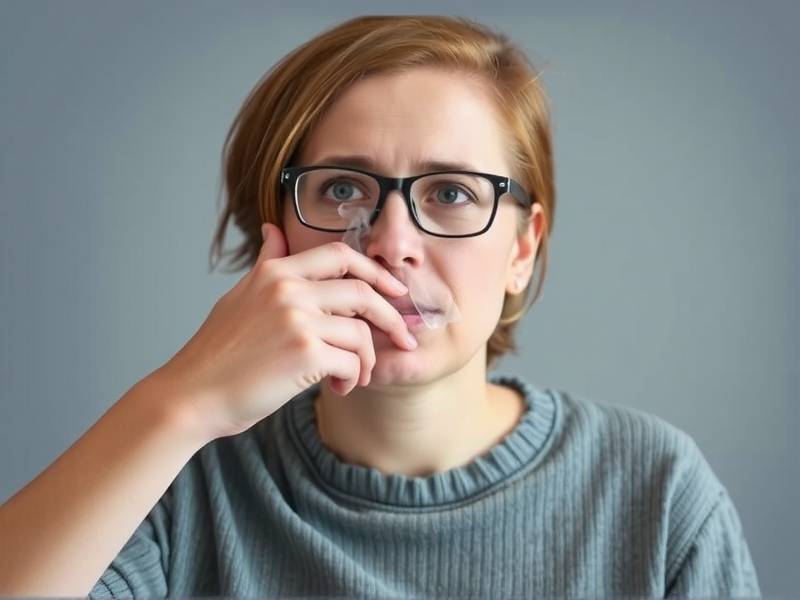
Respiratory Clean-Up When you quit smoking, your body begins to heal from the damage caused by tobacco smoke. One of the first signs of this healing process is a cough, as your respiratory system starts to clear out mucus and debris that have accumulated over time.
-
Increased Sensitivity Quitting smoking can also make your airways more sensitive to irritants like dust, pollen, or smoke from other sources. This increased sensitivity can lead to a persistent cough.
-
Gastroesophageal Reflux Disease (GERD) GERD is a condition where stomach acid flows back into the esophagus, causing heartburn and other symptoms. It's more common in smokers and can become more noticeable after quitting due to changes in stomach acid production.
Is Coughing Normal?
Yes, coughing is generally considered normal after quitting smoking. It often occurs within the first few weeks of quitting and can last for several months as your body continues to heal.
When Should You Seek Medical Attention?
While coughing is common after quitting smoking, there are certain scenarios where you should consult a healthcare professional:
-
Persistent Cough with Phlegm If you have a persistent cough that produces phlegm for more than three weeks after quitting, it's essential to seek medical advice to rule out other conditions.
-
Severe Shortness of Breath Shortness of breath that doesn't improve with time may indicate a more serious condition and requires medical attention.
-
Cough with Blood or Sputum Any cough that produces blood or sputum should be evaluated by a healthcare provider immediately.
How Can You Manage Post-Quit Cough?
- Stay Hydrated: Drinking plenty of water helps thin mucus and makes it easier for your body to expel it.
- Avoid Irritants: Minimize exposure to dust, pollen, smoke, and other allergens.
- Use Over-the-Counter Remedies: Products like cough drops or expectorants can help manage symptoms.
- Stay Active: Regular exercise can improve lung function and reduce withdrawal symptoms.
Conclusion: Coughing after quitting smoking is usually a sign of your body healing from years of tobacco exposure. While it's common and often resolves on its own, it's important to monitor any changes in your cough and seek medical attention if necessary. Remember that staying smoke-free is the best way to improve your health and reduce the risk of developing respiratory diseases in the long term.