
Can COPD Develop Years After Quitting Smoking?
Unveiling the Mystery: Can COPD Develop Years After Quitting Smoking?
Introduction: Chronic Obstructive Pulmonary Disease (COPD) is a prevalent respiratory condition that affects millions worldwide. While smoking is the primary cause of COPD, many individuals often wonder if it's possible to develop the disease years after quitting smoking. In this article, we delve into this intriguing question and provide insights based on scientific research and expert opinions.
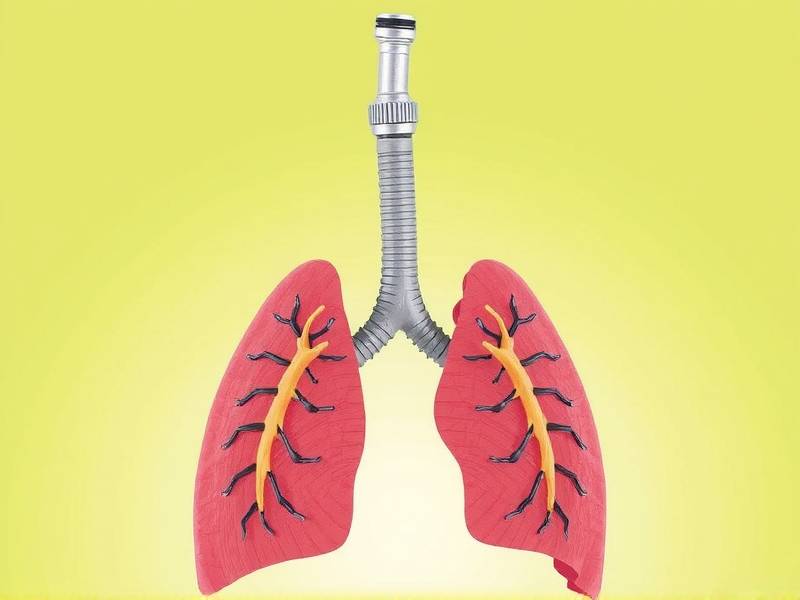
Section 1: Understanding COPD What is COPD? Chronic Obstructive Pulmonary Disease (COPD) is a progressive lung disease characterized by persistent airflow limitation. It primarily affects the airways and alveoli in the lungs, leading to difficulty in breathing.

Common symptoms of COPD include:
- Shortness of breath
- Chronic cough
- Wheezing
- Chest tightness
Section 2: The Link Between Smoking and COPD Smoking is the leading cause of COPD, accounting for about 80-90% of cases. The harmful chemicals in cigarettes cause inflammation and damage to the lungs over time, leading to the development of COPD.
Section 3: Can COPD Develop Years After Quitting Smoking? The Answer: Yes, it's possible. While quitting smoking can significantly reduce the risk of developing COPD, it's essential to understand that it may not entirely eliminate this risk. Studies have shown that individuals who quit smoking may still develop COPD years later due to various factors:
-
Genetic predisposition: Some individuals may have a genetic susceptibility to developing COPD even without smoking.
-
Exposure to other lung irritants: Long-term exposure to other lung irritants such as dust, chemical fumes, or air pollution can contribute to the development of COPD in former smokers.
-
Pre-existing lung conditions: Individuals with pre-existing lung conditions like asthma or bronchitis may be at a higher risk of developing COPD after quitting smoking.
Section 4: Prevention and Management Preventing further damage: Former smokers can take several steps to minimize their risk of developing or worsening their COPD:
- Avoiding exposure to lung irritants.
- Regular exercise.
- Eating a balanced diet rich in fruits and vegetables.
- Maintaining good hygiene practices.
Managing symptoms: If someone has already developed COPD, effective management strategies include:
- Taking prescribed medications.
- Using inhalers regularly.
- Participating in pulmonary rehabilitation programs.
- Quitting smoking completely.
Conclusion: While quitting smoking is an excellent first step towards reducing the risk of developing or worsening COPD, it's essential to recognize that it may not entirely eliminate this risk for some individuals. By understanding potential factors contributing to the development of COPD after quitting smoking and taking proactive steps towards prevention and management, former smokers can improve their quality of life and reduce their risk of complications associated with this chronic respiratory condition.