
Can Quitting Smoking Really Make You Lose Sleep?
Introduction
The journey to quitting smoking is often fraught with challenges, and one common concern is the impact on sleep quality. Many smokers worry that kicking the habit might disrupt their sleep patterns. In this article, we'll explore whether quitting smoking can indeed lead to sleepless nights and what you can do about it.
The Link Between Smoking and Sleep
Nicotine's Role
Nicotine, the primary addictive substance in cigarettes, is a stimulant. It speeds up your heart rate, increases blood pressure, and enhances alertness. When you quit smoking, your body begins to adjust to lower levels of nicotine, which can sometimes lead to withdrawal symptoms.

Withdrawal Symptoms
One of the most common withdrawal symptoms experienced when quitting smoking is insomnia or disrupted sleep patterns. This is because nicotine affects the brain's neurotransmitters that regulate sleep-wake cycles.
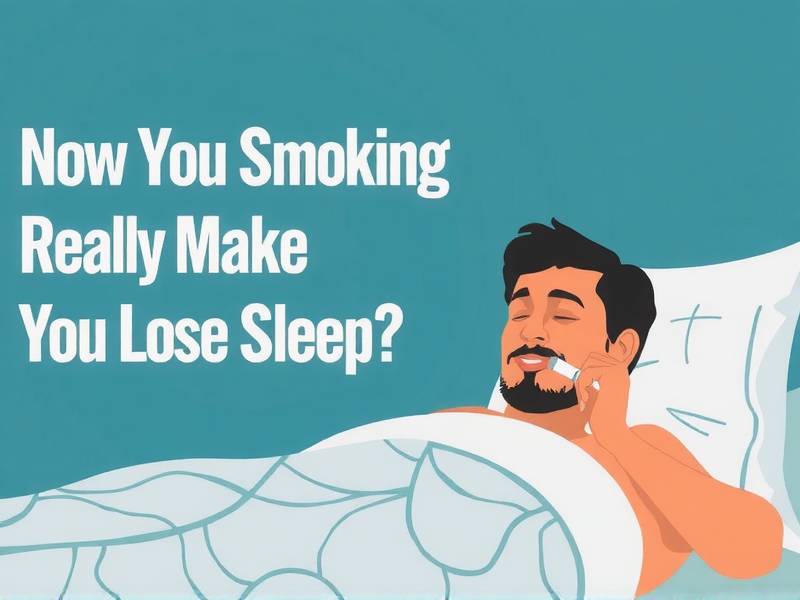
The Sleep Disruption Process
Immediate Effects
Within the first few days of quitting, you might notice that you're more alert during the day and have difficulty falling asleep at night. This is due to the sudden drop in nicotine levels.
Long-term Effects
Over time, as your body adjusts to not having nicotine in its system, you may find that your sleep improves. However, some people may continue to experience sleep disturbances for several weeks or even months after quitting.
Strategies for Better Sleep
Establish a Pre-Sleep Routine
Creating a calming pre-sleep routine can help signal to your body that it's time to wind down. This could include reading a book, taking a warm bath, or practicing relaxation techniques such as meditation or deep breathing exercises.
Avoid Stimulants Before Bedtime
Stay away from caffeine and other stimulants close to bedtime as they can interfere with your ability to fall asleep.
Exercise Regularly
Regular physical activity during the day can help improve your sleep quality at night. Just be sure not to exercise too close to bedtime as it might energize you rather than relax you.
Conclusion
While it's true that quitting smoking can initially disrupt your sleep due to nicotine withdrawal symptoms, most people find their sleep improves over time as their bodies adjust. By adopting healthy sleeping habits and managing stress effectively, you can minimize any potential impact on your sleep quality while on this transformative journey. Remember that every step towards a smoke-free life is a step towards better health in all aspects!