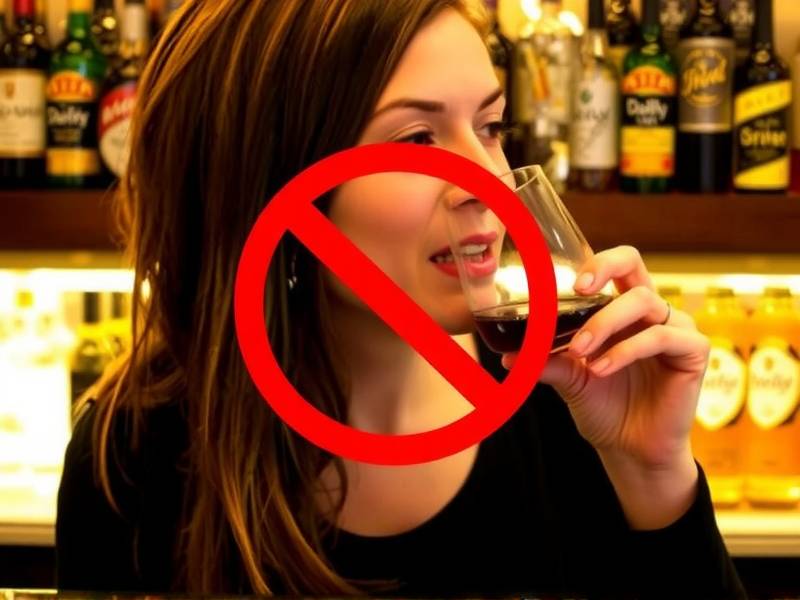
How Can I Quit Smoking and Drinking Alcohol? Effective Strategies for a Healthy Life
The Challenge of Quitting Smoking and Alcohol
Quitting smoking and alcohol can be one of the most challenging tasks for many individuals. Both substances have profound physical and psychological dependencies, making it difficult to break the habit. However, with the right strategies and support, it's possible to achieve a smoke-free and alcohol-free life. This article will discuss effective methods to help you quit smoking and drinking alcohol, aiming for a healthier lifestyle.
Understanding the Impacts of Smoking and Alcohol
Smoking
Smoking is not only harmful to your health but also has a negative impact on your social life. It can lead to various health issues such as lung cancer, heart disease, stroke, and respiratory diseases. Moreover, it affects your sense of smell and taste, reduces fertility in both men and women, and increases the risk of pregnancy complications.
Alcohol
Alcohol consumption is linked to numerous health problems including liver disease, increased risk of cancer, heart disease, mental health issues like depression and anxiety, and addiction. It can also impair judgment leading to accidents or risky behavior.

Strategies for Quitting Smoking
1. Identify Your Reasons
Understanding why you want to quit is crucial. Is it for your health? For your family? Or perhaps you're motivated by personal goals? Identifying these reasons will keep you focused during challenging times.
2. Create a Quit Plan
Develop a detailed plan that includes setting a quit date, identifying triggers that may lead you back to smoking (e.g., stress), finding alternative activities to replace smoking (e.g., exercise), seeking support from friends or family members who have quit themselves.
3. Seek Professional Help
Consider consulting with a healthcare professional or joining support groups like Smokefree.gov or American Lung Association's Freedom From Smoking program.
4. Use Nicotine Replacement Therapy (NRT)
NRTs include gum, patches, lozenges, inhalers, or nasal sprays that deliver nicotine without the harmful effects of tobacco smoke.
Strategies for Quitting Alcohol
1. Set Clear Goals
Define what 'quit' means for you – is it total abstinence or moderation? Setting clear goals will help you stay focused on your path to sobriety.
2. Identify Triggers
Just like with smoking cessation, identifying situations that trigger alcohol consumption is vital in avoiding them.
3. Develop Coping Mechanisms
Find healthy ways to cope with stress or emotions that might otherwise lead you back to drinking (e.g., meditation).
4. Seek Support
Joining support groups such as AA (Alcoholics Anonymous) can provide valuable guidance from others who have experienced similar challenges.
Maintaining Sobriety: A Lifelong Commitment
Once you've successfully quit smoking or alcohol consumption significantly reduced, maintaining sobriety requires ongoing effort:
- Stay away from triggers.
- Continue seeking support.
- Reflect on what led you back at times of relapse.
- Celebrate successes along the way.
- Remember that relapse is part of the process – don't be too hard on yourself if it happens; learn from it instead.
By adopting these strategies and staying committed to a healthier lifestyle free from smoking and excessive alcohol consumption, you'll not only improve your physical well-being but also enhance your overall quality of life. Remember: it's never too late to make positive changes!