
Can't Sleep Since Quitting Smoking? Here's What to Do
Introduction: The Common Dilemma of Quitters
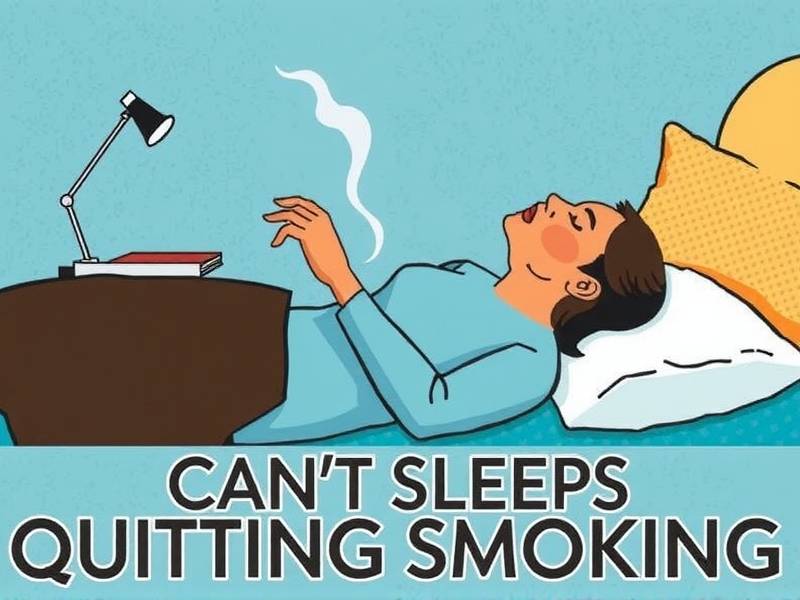
It's no secret that quitting smoking can be a challenging endeavor. Many individuals find that the journey to a smoke-free life is fraught with various physical and psychological challenges. One common issue many quitters face is difficulty falling asleep or disrupted sleep patterns. This article delves into the reasons behind this problem and offers practical solutions to help you get a good night's sleep.
The Link Between Smoking and Sleep Disruption
Nicotine's Effects on the Body
Nicotine, the primary addictive substance in cigarettes, is well-known for its stimulant properties. It speeds up your heart rate, increases blood pressure, and raises your body temperature. These physiological effects can make it hard to relax and fall asleep after smoking.
Withdrawal Symptoms
When you quit smoking, your body goes through withdrawal symptoms as it adjusts to the absence of nicotine. Insomnia is one such symptom that can persist for several weeks or even months after quitting.

Strategies to Improve Sleep After Quitting Smoking
Establish a Pre-Sleep Routine
Creating a calming pre-sleep routine can signal to your body that it's time to wind down. Consider activities like reading a book, taking a warm bath, or practicing deep breathing exercises.
Create an Optimal Sleep Environment
Ensure your bedroom is conducive to sleep. Keep the room cool, dark, and quiet. Consider using blackout curtains or earplugs if needed.
Limit Exposure to Electronic Devices Before Bedtime
The blue light emitted by phones, tablets, and computers can interfere with your sleep patterns. Try to avoid using these devices at least an hour before bedtime.
Stay Hydrated but Avoid Caffeine and Alcohol Before Bed
While staying hydrated is important for overall health, drinking caffeine or alcohol too close to bedtime can disrupt your sleep. Opt for water instead and try not to consume these substances in the evening.
Exercise Regularly but Not Too Close to Bedtime
Regular exercise can improve sleep quality, but exercising too close to bedtime may have the opposite effect. Aim for at least 30 minutes of moderate exercise daily but avoid vigorous workouts within three hours of bedtime.
Seek Professional Help if Needed
If you continue experiencing difficulties falling asleep or staying asleep despite trying these strategies, it may be helpful to consult with a healthcare professional. They can provide additional guidance tailored to your specific needs.
Conclusion: Patience and Persistence are Key
Quitting smoking is a significant lifestyle change that requires patience and persistence. While dealing with sleep disturbances post-quitting may seem daunting at first, implementing these strategies can help improve your sleep quality over time. Remember that every step towards a smoke-free life is progress worth celebrating!