
Do You Get Chest Pains When Quitting Smoking? Understanding the Common Side Effects of Smoking Cessa
Do You Get Chest Pains When Quitting Smoking? Understanding the Common Side Effects of Smoking Cessation
Subheading: The Physical Journey to Freedom: What to Expect When You Quit Smoking
Introduction: Quitting smoking is a significant step towards a healthier life. However, it's not uncommon to experience various side effects as your body adjusts to its smoke-free state. One of the most concerning symptoms for many smokers is chest pain. In this article, we delve into the common side effects of smoking cessation and explore whether chest pain is a typical symptom you might encounter on your journey to quitting.
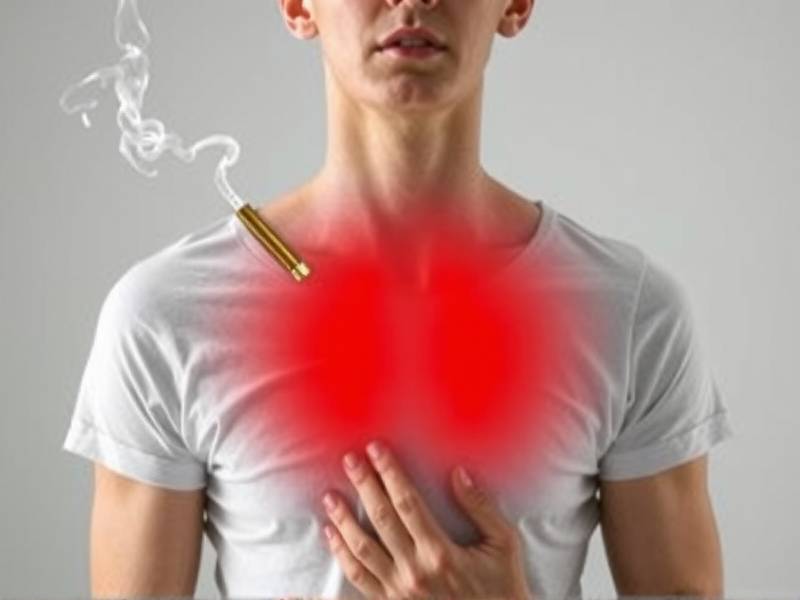
Section 1: The Science Behind Chest Pain During Smoking Cessation
Chest pain can arise during smoking cessation due to several reasons. Here's a closer look at the science:
-
Nicotine Withdrawal: Nicotine, a highly addictive substance found in cigarettes, can cause chest pain when you stop smoking. This happens because nicotine constricts blood vessels and reduces blood flow to the heart, leading to chest discomfort.
-
Bronchospasm: As your body clears out tar and other harmful substances from your lungs, it may trigger bronchospasm—a constriction of the airways that can lead to chest tightness or pain.
-
Heart Rate and Blood Pressure Changes: The initial withdrawal from nicotine can cause fluctuations in heart rate and blood pressure, which might result in chest discomfort.
Section 2: Identifying Chest Pain During Smoking Cessation
If you're experiencing chest pain while quitting smoking, it's essential to differentiate between typical withdrawal symptoms and something more serious:
-
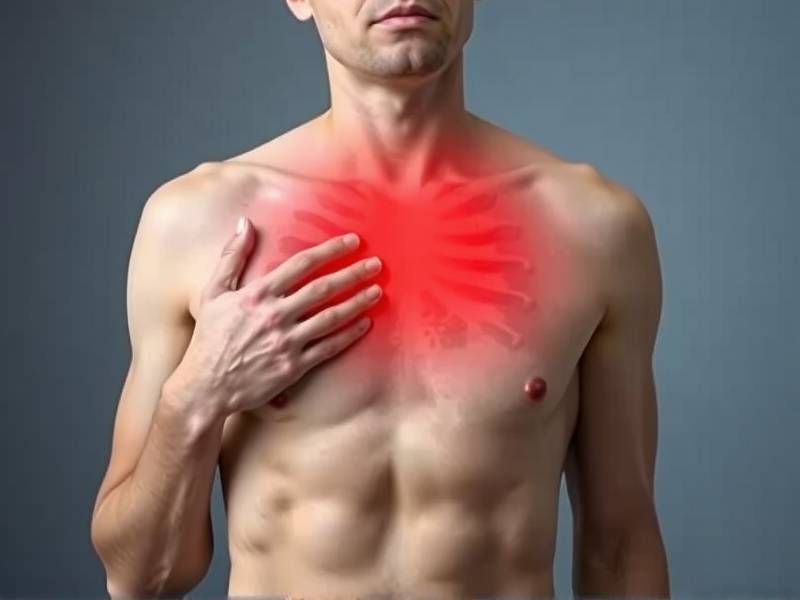
Mild Discomfort: Mild chest pain or tightness often occurs during nicotine withdrawal and typically resolves as your body adjusts to not having nicotine.
-
Severe Symptoms: Severe chest pain could indicate a more serious condition, such as angina (heart-related chest pain) or pulmonary embolism (a blood clot in the lung). If you experience sharp, persistent, or severe chest pain along with shortness of breath or nausea, seek immediate medical attention.
Section 3: Coping with Chest Pain During Smoking Cessation
To alleviate chest pain during smoking cessation:
-
Gradual Reduction: Consider reducing your cigarette intake gradually rather than quitting cold turkey—this can help minimize withdrawal symptoms.
-
Alternative Therapies: Seek relief through alternative methods such as acupuncture, meditation, or deep breathing exercises.
-
Stay Hydrated: Drinking plenty of water helps flush out toxins from your body and can reduce discomfort.
-
Consult Your Healthcare Provider: If you're concerned about your symptoms or if they persist despite trying various coping strategies, consult a healthcare professional for guidance.
Conclusion:
Quitting smoking is an important decision that comes with challenges but also significant health benefits. While experiencing chest pain during smoking cessation may be concerning, understanding its causes and how to manage it can make the journey smoother. Remember that seeking support from healthcare professionals and utilizing various coping strategies are key components of successfully quitting smoking and maintaining a smoke-free lifestyle.