
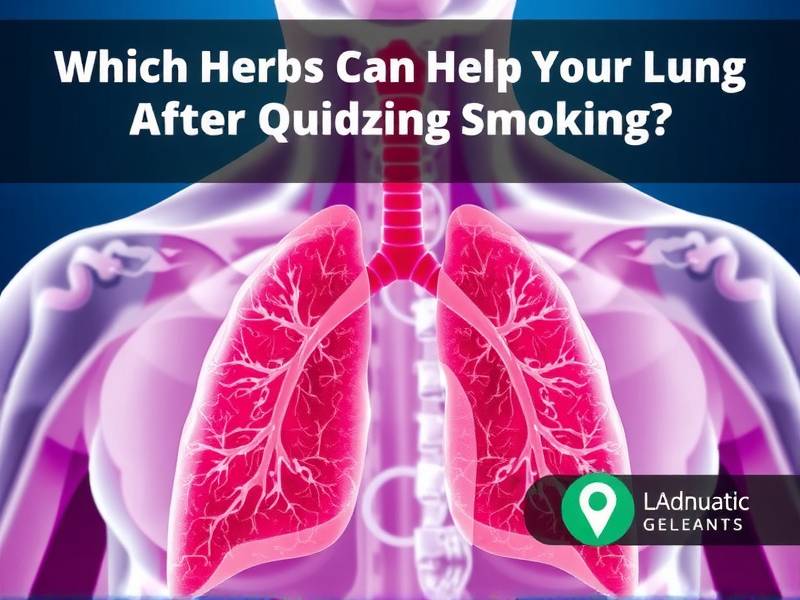
Which Herbs Can Help Your Lungs After Quitting Smoking?
Nurturing Your Lungs: The Role of Herbs Post-Quitting Smoking
Introduction: The journey to quit smoking is not only about breaking the physical addiction but also about nurturing the body back to health. After years of exposure to tobacco smoke, your lungs may require some extra care. Herbs have been used for centuries to support respiratory health, and many are gaining popularity as natural allies in the post-smoking period. Let's explore which herbs can help your lungs after quitting smoking.
1. Mullein (Verbascum thapsus)
Mullein, with its large, soft leaves, has been traditionally used to soothe and heal the respiratory system. It contains compounds that can help reduce inflammation and promote healing in lung tissue.

2. Thyme (Thymus vulgaris)
Thyme is a well-known herb for its antibacterial properties, making it a great choice for supporting respiratory health. It can help clear mucus from the lungs and reduce coughing.
3. Licorice Root (Glycyrrhiza uralensis)
Licorice root has anti-inflammatory properties that can help soothe the lining of the lungs and throat. It's often used in combination with other herbs to enhance their effects.
4. Eleuthero (Eleutherococcus senticosus)
Also known as Siberian ginseng, eleuthero is an adaptogen that may help improve lung function by reducing stress on the body's systems.
5. Echinacea (Echinacea purpurea)
Echinacea is well-known for its immune-boosting properties but also supports respiratory health by helping to prevent infections that can affect the lungs.
How to Use These Herbs
Tea Infusions
One of the most common ways to use these herbs is through tea infusions. Simply steep dried herbs in hot water for several minutes before straining and drinking.
Tinctures
Tinctures are another convenient form of herbal supplementation. They are typically made by soaking herbs in alcohol or vinegar and then extracting their beneficial compounds.
Capsules or Powders
For those who prefer not to drink herbal teas or tinctures, capsules or powders are a great alternative. Always follow dosage instructions provided on product labels.
Conclusion: Quitting smoking is a significant step towards better health, and incorporating these lung-supporting herbs into your routine can be a natural way to aid your recovery process. While herbs can complement traditional treatments, it's important to consult with a healthcare professional before starting any new regimen, especially if you have existing health conditions or are taking other medications.
Remember, healing takes time, and patience is key on this journey towards healthier lungs post-quitting smoking.