
Why Do You Cough When You Quit Smoking?
Unveiling the Coughing Conundrum: Why You Cough When You Quit Smoking
Introduction: Quitting smoking is a significant step towards better health, but it often comes with unexpected challenges. One such challenge is the persistent cough that many smokers experience after they quit. This article delves into the reasons behind this phenomenon, offering insights and understanding to those embarking on their smoke-free journey.
Understanding the Link Between Smoking and Coughing
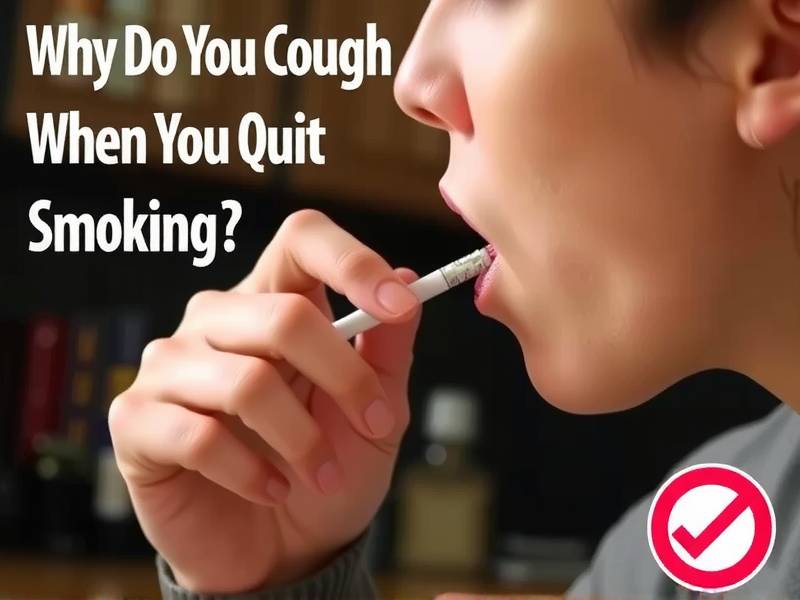
Subheading: The Impact of Tar and Nicotine When you smoke, the tar and nicotine in cigarettes can cause irritation to your respiratory system. This irritation leads to a buildup of mucus in your lungs, which triggers a cough reflex as your body tries to clear out the irritants.
The Process of Detoxification
Subheading: Detoxifying Your Lungs Once you quit smoking, your body begins the process of detoxification. During this phase, your lungs start to heal from years of exposure to harmful substances. The increased mucus production is a sign that your body is actively trying to remove toxins and restore normal lung function.
The Role of Mucus Production
Subheading: More Mucus, More Coughing The increased mucus production is a direct response to the healing process. As your lungs work to clear out old tar and mucus, you may find yourself coughing more frequently than before. This can be quite unsettling but is a normal part of the recovery process.
The Duration of the Cough
Subheading: Temporary Relief on the Horizon While it can be disconcerting, this cough typically subsides within a few weeks as your lungs continue to heal. It's important to stay hydrated and consider natural remedies like honey or steam inhalation to soothe your throat during this time.
Other Symptoms You May Experience
Subheading: A Multifaceted Recovery In addition to coughing, you might also experience other symptoms such as shortness of breath or a tickle in your throat. These are all part of the body's healing process and should gradually improve as you continue to avoid smoking.
Seeking Professional Advice
Subheading: When Should You Seek Help? If you find that your cough persists for an extended period or if it's accompanied by other concerning symptoms like fever or excessive phlegm, it's important to consult with a healthcare professional. They can provide guidance and ensure that there are no underlying issues affecting your respiratory health.
Conclusion: Quitting smoking is no easy feat, but understanding why certain symptoms occur can make the journey easier. The cough you experience when you quit smoking is a sign that your body is healing and regaining its natural balance. By staying informed and supportive of your body's recovery process, you'll be well on your way to enjoying the benefits of a smoke-free life.