
Does Anxiety Make It Harder to Quit Smoking?
Navigating the Anxiety-Quit Smoking Conundrum: A Comprehensive Guide
Introduction: Smoking is a habit that affects millions of people worldwide, and the quest to quit can be daunting for many. One common challenge faced by smokers looking to quit is anxiety, which can exacerbate withdrawal symptoms and make the journey even harder. In this article, we will explore how anxiety can impact your quit-smoking journey and provide practical strategies to overcome it.
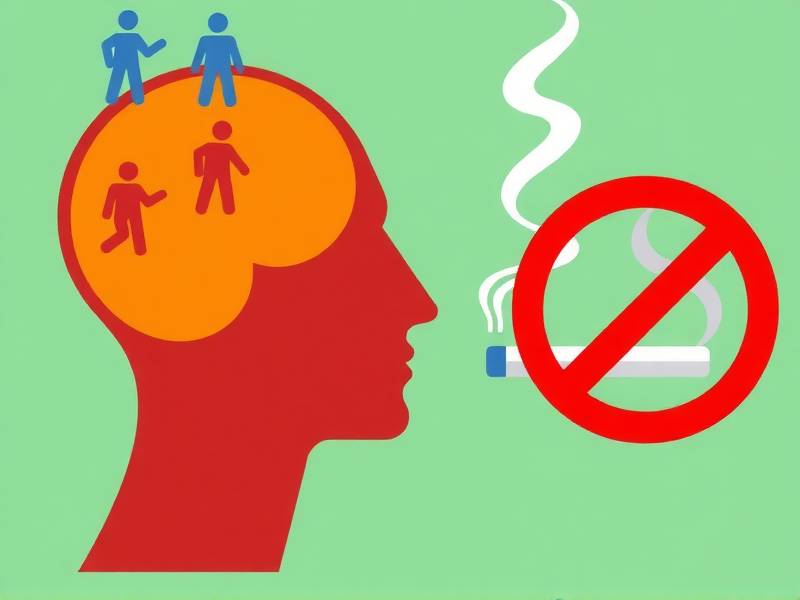
Understanding the Anxiety-Quit Smoking Connection

1. The Role of Anxiety in Smoking Anxiety is often a driving force behind why individuals start smoking in the first place. The nicotine in cigarettes acts as a sedative, temporarily calming the nervous system and reducing anxiety levels. However, as addiction sets in, the body becomes dependent on nicotine to maintain this state of calmness.
2. Anxiety During Withdrawal When attempting to quit smoking, individuals often experience withdrawal symptoms, including anxiety. This occurs because the body is no longer receiving the nicotine it has become accustomed to, leading to increased stress and nervousness.
3. The Cycle of Anxiety and Smoking The cycle of anxiety and smoking can be challenging to break. As anxiety levels rise during withdrawal, individuals may feel compelled to smoke more frequently or heavily to alleviate their discomfort. However, this only perpetuates the cycle and makes quitting even more difficult.
Overcoming Anxiety While Quitting Smoking
1. Identifying Triggers Identifying triggers that contribute to your anxiety can help you address them effectively during your quit-smoking journey. Common triggers include stress, caffeine consumption, or social situations.
2. Developing Coping Strategies Developing coping strategies is crucial for managing anxiety during withdrawal. These may include deep breathing exercises, mindfulness meditation, or engaging in physical activity.
3. Seeking Support Seeking support from friends, family, or support groups can provide valuable guidance and encouragement throughout your quit-smoking journey. Additionally, consider consulting with a healthcare professional for personalized advice and resources.
4. Alternative Therapies Exploring alternative therapies such as acupuncture or hypnotherapy may help alleviate anxiety symptoms associated with quitting smoking.
Conclusion: Quitting smoking is a challenging endeavor for many individuals due to various factors, including anxiety. By understanding the connection between anxiety and smoking and implementing effective coping strategies, you can navigate this conundrum successfully. Remember that seeking support from others and exploring alternative therapies can also make your quit-smoking journey more manageable.
For further information on quitting smoking and managing anxiety-related challenges, please visit reputable health websites such as Healthline or Mayo Clinic.