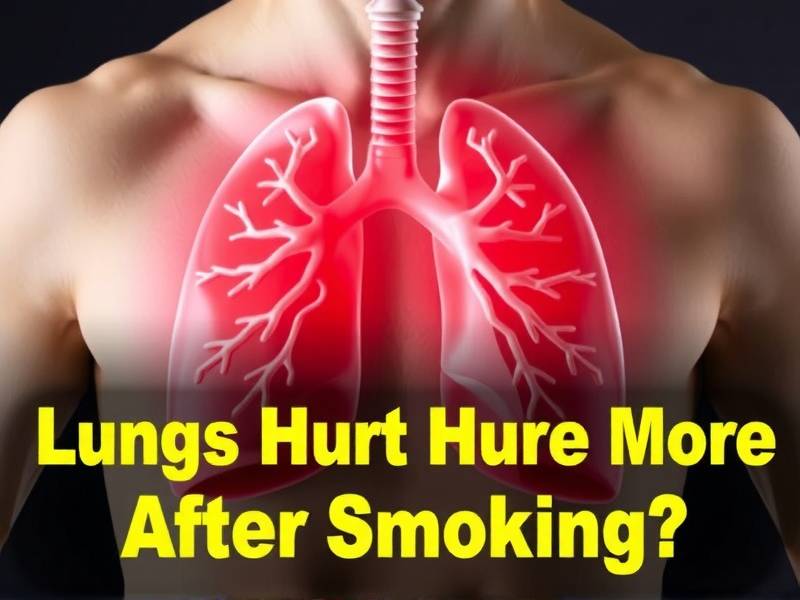
Why Do My Lungs Hurt More After Quitting Smoking?
Understanding the Intense Lung Pain Post-Quitting Smoking: A Comprehensive Guide
Introduction: The journey to quit smoking is often fraught with challenges, and one common concern among many quitters is the sudden increase in lung pain. If you've recently quit smoking and are experiencing discomfort in your lungs, you're not alone. In this article, we delve into the reasons behind this phenomenon and provide insights to help you navigate through this phase.
1. The Body's Healing Process
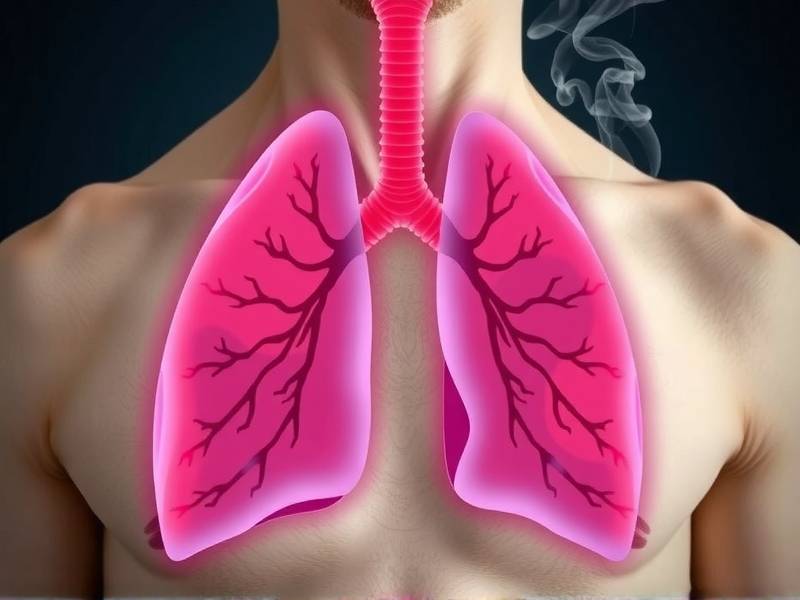
After quitting smoking, your body begins a healing process that can sometimes manifest as increased lung pain. Here's why:
-
Cilia Rejuvenation: The tiny hair-like structures called cilia in your lungs help to clear mucus and debris from the airways. Smoking damages these cilia, causing them to become less efficient. As you quit, your body starts regenerating these cilia, which can lead to temporary discomfort.
-
Inflammation Reduction: Nicotine causes inflammation in the respiratory tract. When you stop smoking, this inflammation begins to subside, leading to increased sensitivity and potentially more noticeable pain.
2. The Role of Carbon Monoxide
Carbon monoxide (CO) is a byproduct of combustion and is highly toxic to the body. When you inhale CO from cigarette smoke, it binds to hemoglobin in red blood cells more readily than oxygen does, reducing oxygen delivery to tissues.
- Oxygen Deprivation: Quitting smoking allows your body to receive more oxygen-rich blood. However, during the initial stages of quitting, there might be an imbalance between oxygen supply and demand in certain areas of the lungs.
3. The Importance of Hydration
Staying hydrated is crucial when quitting smoking because it helps flush out toxins from your system and keeps mucus thin for easier removal.
- Mucus Build-up: Without proper hydration, mucus can become thick and difficult to expel from the airways, leading to pain or pressure in the chest area.
4. Managing Lung Pain Post-Quitting Smoking
To alleviate lung pain after quitting smoking:
-
Stay Hydrated: Drink plenty of water throughout the day.
-
Exercise Regularly: Gentle exercise can help improve lung function and reduce pain.
-
Avoid Irritants: Stay away from secondhand smoke and other respiratory irritants.
-
Seek Professional Help: If lung pain persists or worsens, consult with a healthcare professional for further evaluation.
Conclusion:
The experience of lung pain after quitting smoking is a sign that your body is healing itself from years of tobacco exposure. By understanding this process and taking appropriate steps to manage discomfort, you can navigate this challenging phase more effectively on your journey towards a healthier life. Remember that persistence is key; with time, your lungs will continue to improve as they recover from years of damage caused by smoking.