
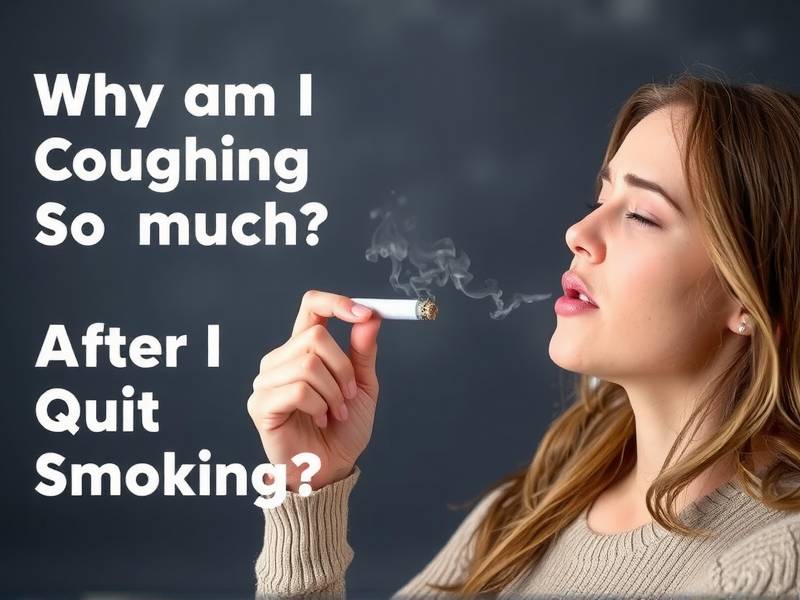
Why Am I Coughing So Much After I Quit Smoking?
Unveiling the Reason Behind Your Persistent Cough Post-Quitting Smoking
Introduction: Quitting smoking is a significant step towards a healthier lifestyle. However, many individuals experience unexpected symptoms post-cessation, one of which is persistent coughing. In this article, we will explore the reasons behind this common occurrence and shed light on how you can alleviate it.
Section 1: Understanding the Link Between Smoking and Coughing Subheading: How Smoking Affects Your Lungs

Smoking is a well-known risk factor for respiratory problems. When you smoke, harmful chemicals enter your lungs, causing inflammation and irritation. Over time, this chronic inflammation leads to a weakened respiratory system, making it more susceptible to infections and coughing.
Section 2: The Body's Response to Quitting Smoking Subheading: Detoxifying Your Lungs
When you quit smoking, your body begins the process of healing and detoxification. One of the initial responses is an increased production of mucus in your lungs as they try to expel the accumulated tar and toxins. This excess mucus often results in coughing as your body tries to clear out the debris.
Section 3: Short-Term Effects and Long-Term Benefits Subheading: Temporary Discomfort for Lasting Health Gains
The persistent cough after quitting smoking is generally short-lived. It can last from a few days to several weeks as your lungs continue to cleanse themselves. In contrast, the long-term benefits of quitting smoking are substantial, including reduced risk of lung cancer, heart disease, stroke, and other health issues.
Section 4: Managing Cough Post-Quitting Smoking Subheading: Tips for Coping with Cough
To manage your cough post-quitting smoking:
- Stay Hydrated: Drinking plenty of water helps thin mucus and make it easier to cough up.
- Use Saline Nasal Sprays: These sprays can help reduce nasal congestion and ease coughing.
- Avoid Irritants: Stay away from smoke-filled environments or any other irritants that may exacerbate your cough.
- Practice Deep Breathing Exercises: These exercises can help improve lung function and reduce symptoms.
- Consult a Healthcare Professional: If your cough persists for an extended period or becomes severe, seek medical advice.
Conclusion: While experiencing a persistent cough after quitting smoking might be unsettling initially, it is a sign that your body is healing itself from years of tobacco exposure. By understanding the reasons behind this symptom and taking appropriate measures to manage it, you can alleviate discomfort and focus on reaping the long-term health benefits of quitting smoking.
Remember that perseverance is key when overcoming nicotine addiction. Embrace this temporary challenge as a stepping stone towards a healthier life!