
Can Quitting Smoking Really Cause Blood Clots?
Can Quitting Smoking Really Cause Blood Clots? A Comprehensive Look
Introduction: The Concerns Around Smoking Cessation
When it comes to quitting smoking, many individuals are aware of the numerous health benefits that come with this decision. However, there is a common misconception that quitting smoking can lead to blood clots. This article delves into the facts and myths surrounding this topic, offering clarity and peace of mind for those considering a smoke-free lifestyle.
Understanding Blood Clots
Blood clots are solid masses of blood that form when blood thickens and clumps together. They can occur in veins (venous thrombosis) or arteries (arterial thrombosis), and they can be life-threatening if they travel to vital organs like the heart or brain.
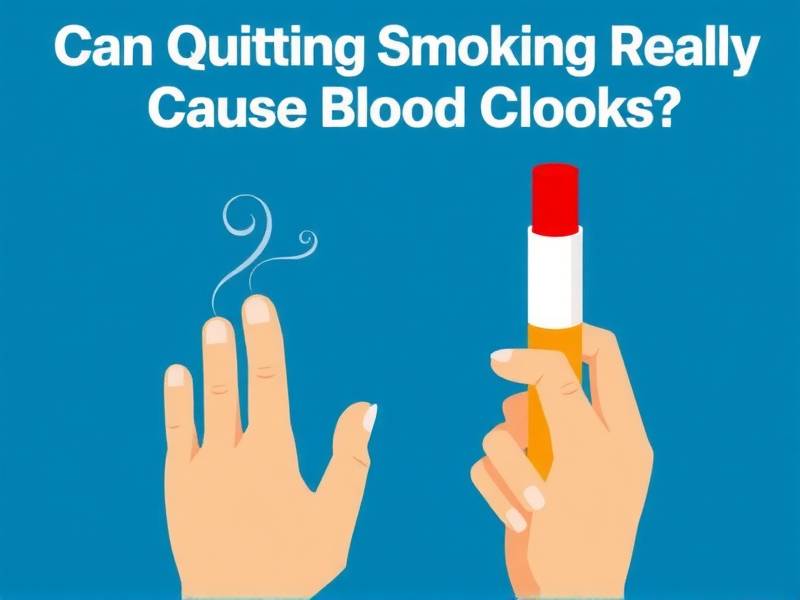
The Myth of Quitting Smoking Causing Blood Clots
The idea that quitting smoking can cause blood clots is largely a myth. While it's true that nicotine, a key component in cigarettes, has effects on the body's blood vessels, these effects do not directly lead to the formation of blood clots upon cessation.
The Role of Nicotine Withdrawal
When someone stops smoking, their body goes through nicotine withdrawal. This withdrawal can cause symptoms such as irritability, anxiety, and increased heart rate. While an increased heart rate might raise concerns about blood clot formation, it's important to note that this increase is usually temporary and not enough to cause significant clotting issues.
Health Benefits of Quitting Smoking
On the contrary, quitting smoking has numerous health benefits that outweigh any potential risks associated with nicotine withdrawal. These include:
- Reduced risk of heart disease
- Lowered chances of stroke
- Improved lung function
- Decreased risk of cancer
The Truth About Blood Clot Risk After Quitting Smoking
Research suggests that while some individuals may experience temporary increases in heart rate or blood pressure after quitting smoking, these changes do not lead to a higher risk of blood clots. In fact, long-term benefits from quitting smoking far outweigh any short-term concerns.
How to Safely Quit Smoking
If you're considering quitting smoking, here are some tips:

- Seek Professional Help: Consult with a healthcare provider for personalized advice and support.
- Use Nicotine Replacement Therapy (NRT): Products like gum, patches, lozenges, inhalers, or nasal sprays can help manage withdrawal symptoms.
- Consider Medications: Some medications have been shown to aid in smoking cessation.
- Join Support Groups: Connect with others who are going through the same journey for mutual support.
- Stay Motivated: Keep your focus on the long-term health benefits.
Conclusion: Embracing a Healthier Future
In conclusion, while there is a myth suggesting that quitting smoking can cause blood clots, scientific evidence does not support this claim. Instead, the benefits of quitting smoking far outweigh any short-term discomforts associated with nicotine withdrawal. By taking proactive steps towards戒烟 and seeking support when needed, individuals can embark on a healthier path for their bodies and minds.