
Does COPD Get Worse Even If You Quit Smoking?
Understanding the Progression of COPD: Will It Worsen Even After Quitting Smoking?
Introduction: Chronic Obstructive Pulmonary Disease (COPD) is a progressive lung disease that affects millions of people worldwide. Smoking is a leading cause of COPD, and quitting smoking is often seen as a crucial step towards improving lung health. However, many individuals wonder if the progression of COPD can still worsen even after quitting smoking. In this article, we will explore the factors contributing to the progression of COPD and discuss how quitting smoking can impact its course.
What is COPD? COPD is characterized by chronic inflammation and obstruction of the airways, leading to difficulty breathing. It includes conditions such as chronic bronchitis and emphysema. The primary causes of COPD are long-term exposure to irritants, primarily tobacco smoke.
The Role of Smoking in COPD Progression Smoking is a significant risk factor for developing and progressing COPD. The harmful chemicals in tobacco smoke irritate and inflame the airways, causing ongoing damage to the lungs. As a result, quitting smoking can have a profound impact on slowing down the progression of COPD.
Will Quitting Smoking Prevent Further Progression? Quitting smoking can significantly reduce the risk of further progression in COPD patients. Studies have shown that individuals who quit smoking may experience improvements in lung function and a slower decline in respiratory health over time.
However, it's important to note that while quitting smoking can slow down the progression of COPD, it does not mean that all damage caused by smoking can be reversed. The lungs may continue to show signs of damage even after years or decades without exposure to tobacco smoke.
Other Factors Influencing COPD Progression Apart from smoking, other factors can influence the progression of COPD:
- Environmental exposure: Exposure to dusts, fumes, and other lung irritants can worsen symptoms.
- Genetic predisposition: Some individuals may have a genetic susceptibility to developing COPD.
- Age: As people age, their lungs become more susceptible to damage from environmental factors.
Can Other Measures Help Slow Down Progression? While quitting smoking is crucial for managing COPD, other measures can also help slow down its progression:
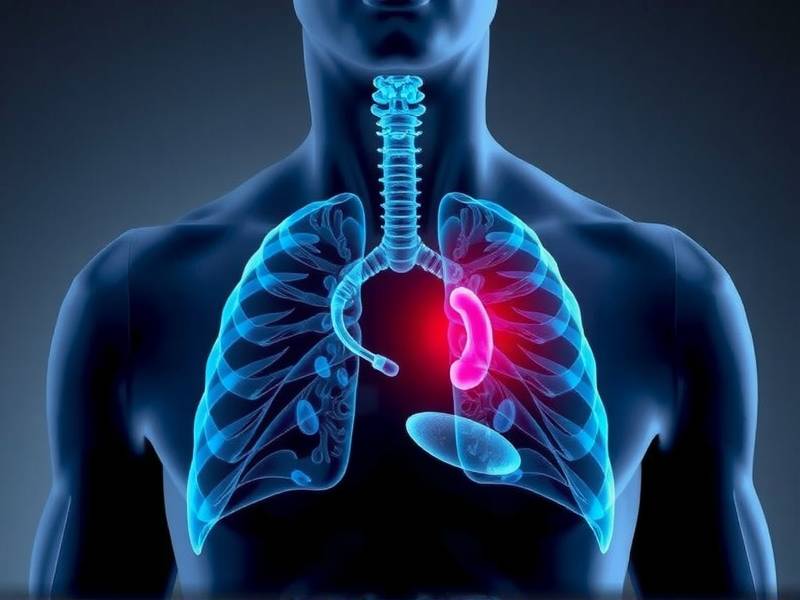
- Regular exercise: Aerobic exercises like walking or swimming can improve lung capacity and overall fitness.
- Good nutrition: A balanced diet rich in fruits, vegetables, whole grains, lean proteins, and healthy fats supports respiratory health.
- Pulmonary rehabilitation: This program combines exercise training with education about living with COPD.
- Medications: Inhaled bronchodilators and corticosteroids help manage symptoms and reduce inflammation.
Conclusion: Quitting smoking is an essential step towards improving lung health for individuals with COPD. While it may not completely reverse all damage caused by years of smoking exposure, it significantly reduces the risk of further progression. By adopting other lifestyle changes and medical interventions recommended by healthcare professionals, individuals with COPD can manage their condition effectively and improve their quality of life.