
Does Your Lung Capacity Really Increase When You Quit Smoking?
"Does Your Lung Capacity Really Increase When You Quit Smoking?"
Introduction: The decision to quit smoking is a significant step towards a healthier lifestyle. Many smokers are motivated by the promise of improved lung health, including an increase in lung capacity. But does quitting smoking really lead to an increase in lung capacity? Let's explore this topic further.
Understanding Lung Capacity First, it's essential to understand what lung capacity means. Lung capacity refers to the total amount of air your lungs can hold. This includes tidal volume (the amount of air you breathe in and out during normal breathing) and reserve volume (the additional air you can forcibly exhale).
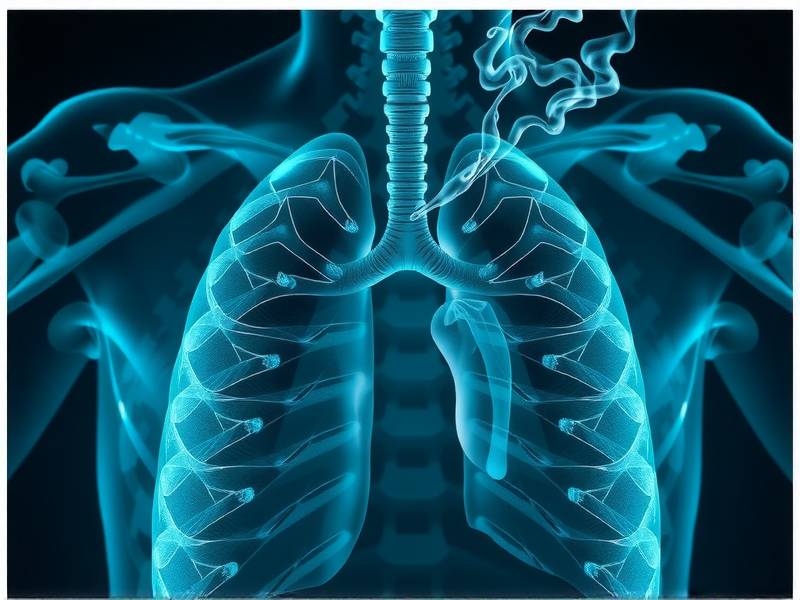
The Immediate Impact of Quitting Smoking When you quit smoking, your lungs begin to heal almost immediately. The carbon monoxide levels in your blood start to decrease, and your oxygen levels rise. This immediate improvement in oxygenation can lead to a sense of increased energy and vitality.
Long-term Effects on Lung Capacity Over time, quitting smoking can lead to significant improvements in lung function. Here's how:
- Cilia Regeneration: Cilia are tiny hair-like structures that line the airways and help remove mucus and debris from the lungs. Smoking damages these cilia, but they can regenerate after quitting.
- Airway Inflammation Reduction: Chronic smoking causes inflammation in the airways, which narrows them and makes it harder to breathe. Quitting reduces inflammation and helps open up the airways.
- Bronchial tubes dilation: The bronchial tubes can dilate after quitting smoking, which allows more air into the lungs.
Research on Increased Lung Capacity Numerous studies have shown that quitting smoking leads to an increase in lung capacity over time. For example, one study published by the American Thoracic Society found that former smokers had significantly higher lung volumes compared to current smokers.
Real-Life Examples Many individuals have experienced firsthand the increase in their lung capacity after quitting smoking. For instance, a former smoker who was once unable to run a mile without becoming winded may find that they can now run comfortably after several years of being smoke-free.
Conclusion: While it may not happen overnight, quitting smoking does indeed lead to an increase in lung capacity over time. This is just one more reason why making the decision to quit is a step towards better health and well-being. So if you're considering quitting, know that there's hope for improved lung function on the horizon!