
Does Your Head Hurt When You Quit Smoking? The Truth About Smoking Cessation and Health
Does Your Head Hurt When You Quit Smoking? The Truth About Smoking Cessation and Health
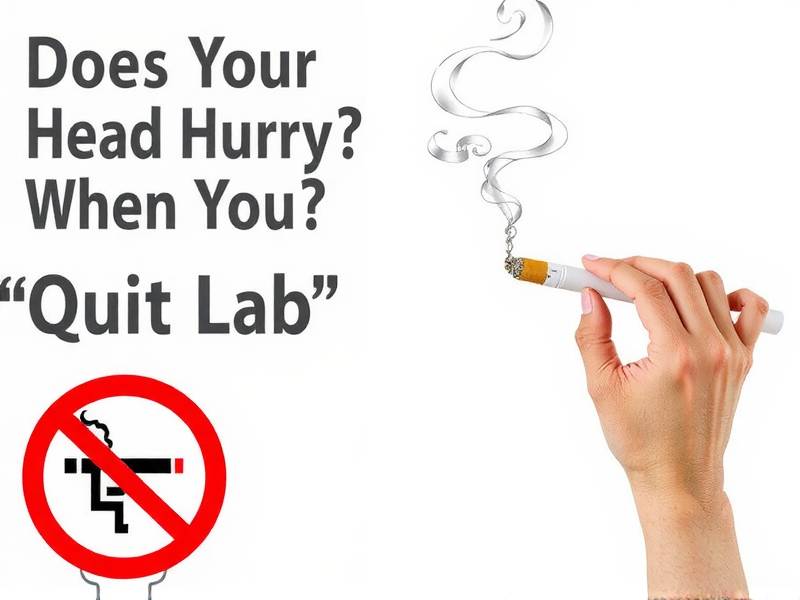
Introduction: Quitting smoking is a significant step towards a healthier life, but it can come with its own set of challenges. One common issue many smokers face is headaches upon cessation. This article delves into the truth behind smoking cessation and its impact on health, specifically focusing on the occurrence of headaches.
Section 1: Understanding Headaches After Quitting Smoking 1.1 Temporary Withdrawal Symptoms When you quit smoking, your body goes through a withdrawal process as it adjusts to the absence of nicotine. One of the symptoms that many individuals experience is headaches. These headaches are typically short-lived and are a sign that your body is healing.

1.2 Nicotine Withdrawal and Blood Flow Nicotine in cigarettes causes blood vessels to constrict, leading to reduced blood flow to certain areas of the brain. When you quit smoking, this constriction relaxes, resulting in increased blood flow. The sudden change in blood flow can cause temporary headaches.
Section 2: Coping with Headaches During Smoking Cessation 2.1 Gradual Reduction in Smoking Instead of quitting cold turkey, consider gradually reducing your smoking habit. This approach allows your body to adjust more smoothly and reduces the severity of withdrawal symptoms, including headaches.
2.2 Hydration and Nutrition Staying hydrated and consuming a balanced diet can help alleviate headaches during smoking cessation. Water helps maintain proper blood flow, while essential nutrients support overall health.
2.3 Adequate Rest Ensure you get enough sleep and rest during this transition period. Lack of sleep can exacerbate headaches and make it more challenging to cope with withdrawal symptoms.
Section 3: Long-Term Health Benefits of Quitting Smoking 3.1 Reduced Risk of Cardiovascular Disease Smoking cessation significantly reduces the risk of heart disease, stroke, and other cardiovascular conditions by improving heart health.
3.2 Improved Lung Function Quitting smoking helps improve lung function over time, making it easier to breathe and reducing the risk of respiratory diseases like chronic obstructive pulmonary disease (COPD).
3.3 Enhanced Immune System By quitting smoking, you give your immune system a chance to strengthen, making you more resistant to infections and diseases.
Conclusion: Headaches during smoking cessation are a common symptom that usually resolves within a few days or weeks. While they can be uncomfortable, they serve as a reminder that your body is healing from years of nicotine exposure. By adopting healthy habits such as gradual reduction in smoking, staying hydrated, getting adequate rest, and focusing on long-term health benefits like reduced cardiovascular risks and improved lung function, you can navigate this challenging phase successfully.
Note: The information provided in this article is for general knowledge purposes only and should not replace professional medical advice or treatment for any specific condition or concern.