
How Long After Quitting Smoking Does Blood Pressure Lower?
The Journey to Lower Blood Pressure: How Long After Quitting Smoking?
Introduction: Quitting smoking is a significant step towards improving one's health. Many smokers are aware of the benefits of quitting, but they might not be fully informed about the timeline of these improvements. One common question among quitters is: "How long after quitting smoking does blood pressure lower?" In this article, we will explore the relationship between smoking cessation and blood pressure reduction, providing valuable insights for those looking to improve their health.
Section 1: Understanding Blood Pressure Blood pressure is the force of blood pushing against the walls of your arteries as your heart pumps blood. It is measured in millimeters of mercury (mmHg) and consists of two numbers: systolic (the top number) and diastolic (the bottom number). A healthy blood pressure reading is typically below 120/80 mmHg.

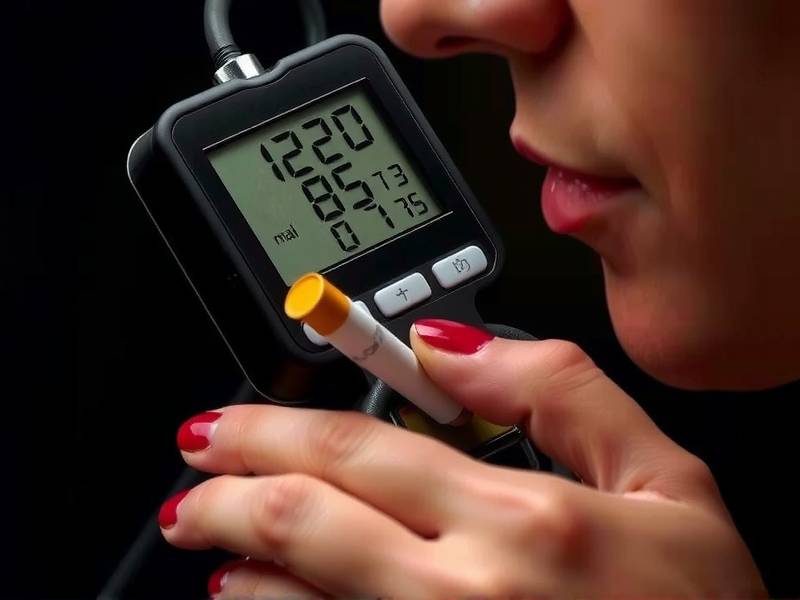
Section 2: The Immediate Impact of Quitting Smoking on Blood Pressure When you quit smoking, your body begins to repair itself almost immediately. Within just 20 minutes after quitting, your heart rate and blood pressure start to drop. This immediate decrease is due to the removal of nicotine from your system.
Section 3: Long-Term Benefits and Timeline for Blood Pressure Reduction While the initial drop in blood pressure after quitting smoking is short-lived, the long-term benefits are significant. Here's a general timeline for how long it takes for blood pressure to lower after quitting smoking:
- Within a few days to weeks: Your heart rate may continue to decrease as nicotine levels in your body decline.
- Within several weeks to months: Your risk of heart disease starts to decline as your arteries begin to heal.
- Within several months to a year: Your overall risk factors for heart disease may decrease significantly.
- Within several years: Your risk factors for stroke may also decrease as your arteries become less damaged.
During this time frame, it's essential to monitor your blood pressure regularly and make any necessary lifestyle changes, such as adopting a healthy diet and engaging in regular physical activity.
Section 4: Factors Influencing Blood Pressure Reduction Several factors can influence how quickly and significantly your blood pressure lowers after quitting smoking:
- Age: Younger individuals may experience faster improvements in their blood pressure than older individuals.
- Duration of smoking: The longer you have smoked, the more time it may take for your body to recover.
- Existing health conditions: Individuals with pre-existing health conditions may require additional time for their blood pressure to stabilize.
- Lifestyle choices: Maintaining a healthy diet, engaging in regular exercise, and managing stress can all contribute to quicker improvements in blood pressure.
Conclusion: Quitting smoking has numerous health benefits, including a lower risk of heart disease and stroke. While it may take some time for your blood pressure to lower after quitting smoking, the long-term benefits are well worth the wait. By monitoring your progress and making healthy lifestyle choices, you can improve your chances of achieving optimal blood pressure levels. So why not take that first step towards better health today?