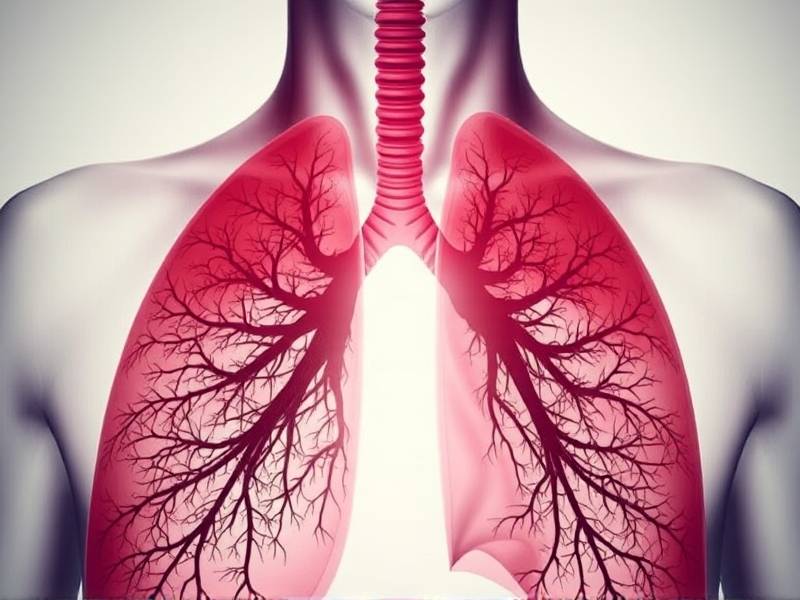
Do Your Lungs Really Regenerate When You Quit Smoking? The Science Behind the Claim
Understanding Lung Regeneration
Quitting smoking is a significant decision for anyone looking to improve their health. One of the most encouraging aspects of this lifestyle change is the potential for lung regeneration. But does this claim hold true? Let's delve into the science behind it.
The Claim: Can Lungs Regenerate?
The idea that your lungs can regenerate after quitting smoking is a compelling one. It's a beacon of hope for those struggling with nicotine addiction, promising a fresh start and a healthier future. But how much truth is there to this claim?
The Reality: How Lungs Heal
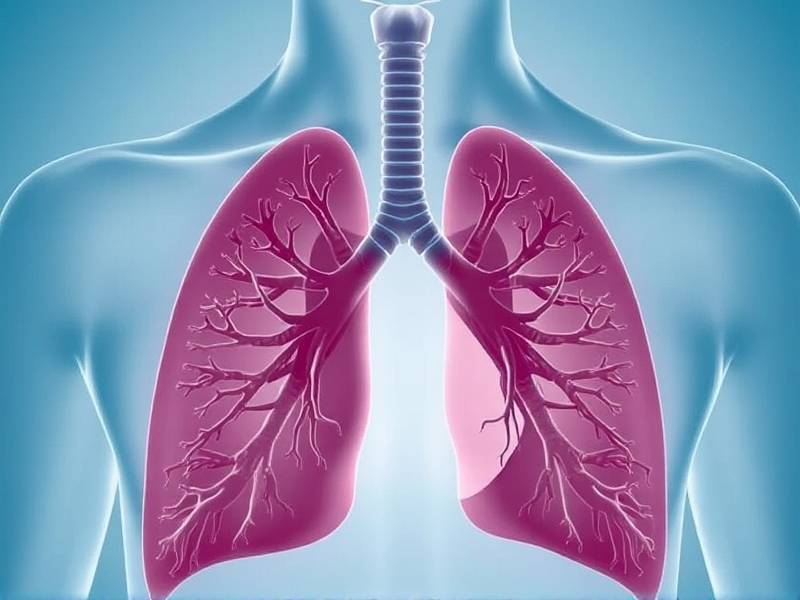
While it's not an immediate process, your lungs can indeed repair themselves to some extent after you quit smoking. Here's how it works:
1. Reduction in Inflammation
Smoking causes inflammation in the lungs, which can lead to damage and scarring. When you stop smoking, your body begins to reduce this inflammation, allowing for better lung function.
2. Improved Oxygen Supply
Smokers often have reduced oxygen levels due to damaged alveoli (air sacs). Quitting smoking allows these air sacs to repair and expand, improving oxygen supply.
3. Removal of Tar and Toxins
Over time, tar and other harmful substances from cigarettes are gradually removed from your lungs as they heal.
The Timeline: How Long Does It Take?
The timeline for lung regeneration varies from person to person but generally follows this pattern:
- First Year: You'll notice significant improvements in lung function within the first year of quitting.
- Five Years: Your risk of heart disease decreases by about half.
- Ten Years: Your risk of cancer drops significantly compared to that of a continuing smoker.
- Beyond Ten Years: Your risk of lung cancer continues to decrease and approaches that of someone who has never smoked.
The Role of Lifestyle Choices
While quitting smoking is crucial, maintaining a healthy lifestyle can further enhance lung regeneration:
- Regular Exercise: Improves circulation and helps remove toxins from your body.
- Healthy Diet: Provides essential nutrients for healing.
- Avoid Exposure to Secondhand Smoke: Protects your lungs from additional damage.
Conclusion: A Path Towards Healthier Lungs
In conclusion, while your lungs can't fully regenerate like other organs, they do have the capacity to heal themselves after you quit smoking. With time, dedication, and healthy lifestyle choices, you can significantly improve your lung health. Remember, every puff counts – both when you're smoking and when you're trying to quit!
By understanding the science behind lung regeneration, you'll be better equipped to make informed decisions about your health journey. So take that first step towards quitting smoking today – your lungs will thank you!