
How Fast Do Lungs Recover After Quitting Smoking?
The Remarkable Journey of Lung Recovery Post-Quitting Smoking
Introduction: The decision to quit smoking is a significant step towards a healthier life. Many smokers are curious about the timeline and extent of lung recovery post-cessation. In this article, we delve into the fascinating journey of lung recovery after quitting smoking, offering insights and hope for those on the path to a smoke-free life.
Section 1: The Immediate Impact of Quitting Smoking
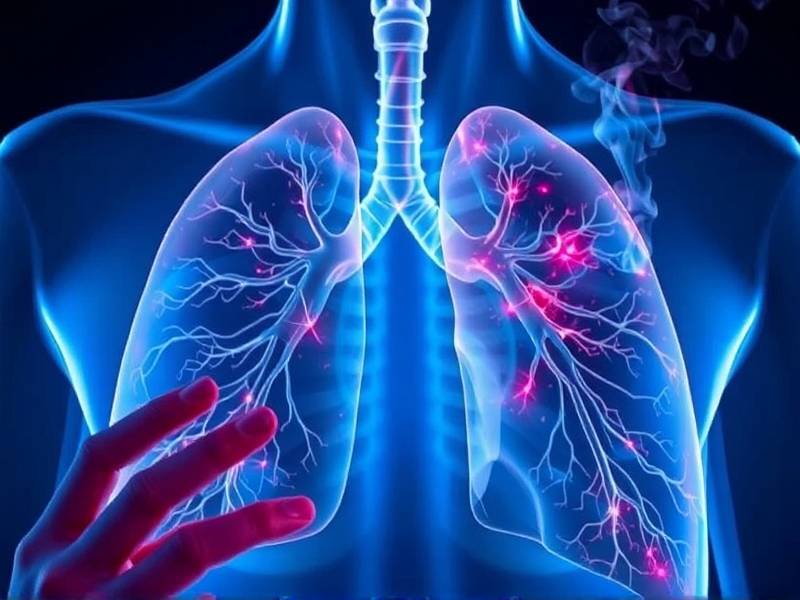
Subheading: How quickly do lungs begin to recover?
When you quit smoking, your lungs start healing almost immediately. Within hours of quitting, your blood oxygen levels begin to rise, improving oxygen delivery to your body's tissues. This can lead to an immediate boost in energy and overall well-being.
Subheading: Early improvements in lung function
Within a few days after quitting, your lungs start clearing out the mucus and tar accumulated from smoking. This process can be uncomfortable at first but is an essential part of the healing process. As a result, you may experience an improvement in your ability to breathe more easily and take deeper breaths.
Section 2: The Journey Continues - Weeks to Months
Subheading: Progressing towards better lung health
Over the next few weeks and months following quitting, you'll notice continued improvements in lung function. Here's what you can expect:
- In approximately two weeks, your chances of suffering from a heart attack decrease.
- After three months, your lungs have cleared out much of the mucus and tar that was clogging them.
- Your immune system starts functioning better after three months as well.
Subheading: Long-term benefits - Years ahead
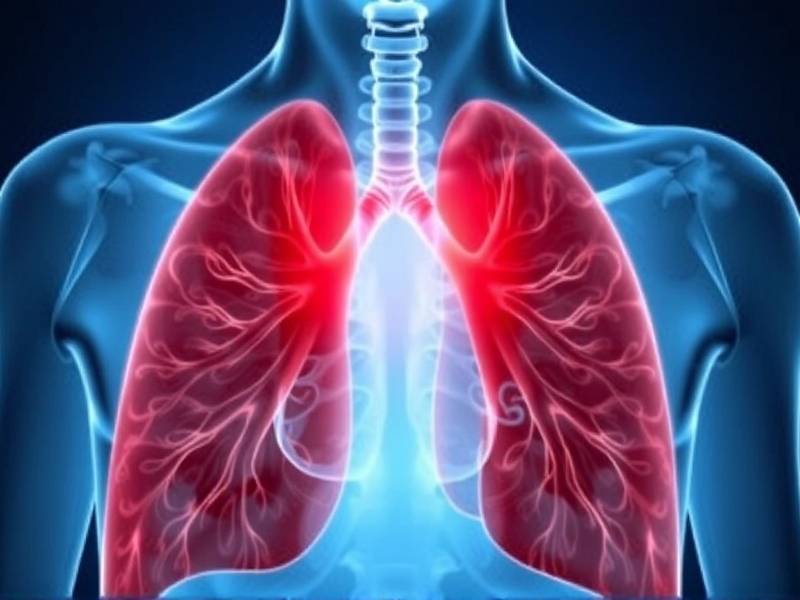
The benefits of quitting smoking don't stop after a few months. Over time, your lungs continue to heal and improve:
- After one year without smoking, your risk of coronary heart disease is reduced by half.
- After five years without smoking, your risk of stroke is similar to that of someone who never smoked.
- Ten years later, your risk of dying from lung cancer is about half that of someone who continues to smoke.
Section 3: Embracing the New You
Subheading: Maintaining motivation for long-term success
The road to lung recovery post-quitting smoking is a marathon, not a sprint. It's important to stay motivated and committed to maintaining a smoke-free lifestyle. Consider these tips:
- Set realistic goals and celebrate milestones along the way.
- Seek support from friends, family, or support groups dedicated to helping people quit smoking.
- Engage in activities that promote lung health, such as regular exercise or practicing deep breathing exercises.
Conclusion:
The journey towards better health after quitting smoking is both challenging and rewarding. Your lungs have an incredible capacity for recovery when given the chance. By embracing this transformative journey and maintaining a smoke-free lifestyle, you'll not only improve your own health but also set an example for others seeking freedom from the chains of tobacco addiction.