
What Happens to Cilia When You Quit Smoking?
The Transformation of Cilia: A Journey with Every Last Puff of Cigarette
Introduction: Understanding the Role of Cilia in the Lungs
Cilia, those tiny hair-like structures lining our respiratory tract, play a crucial role in protecting our lungs from harmful particles and pathogens. When you quit smoking, these cilia embark on a remarkable journey of recovery and renewal. Let's explore what happens to cilia when you give up smoking.
What Are Cilia?
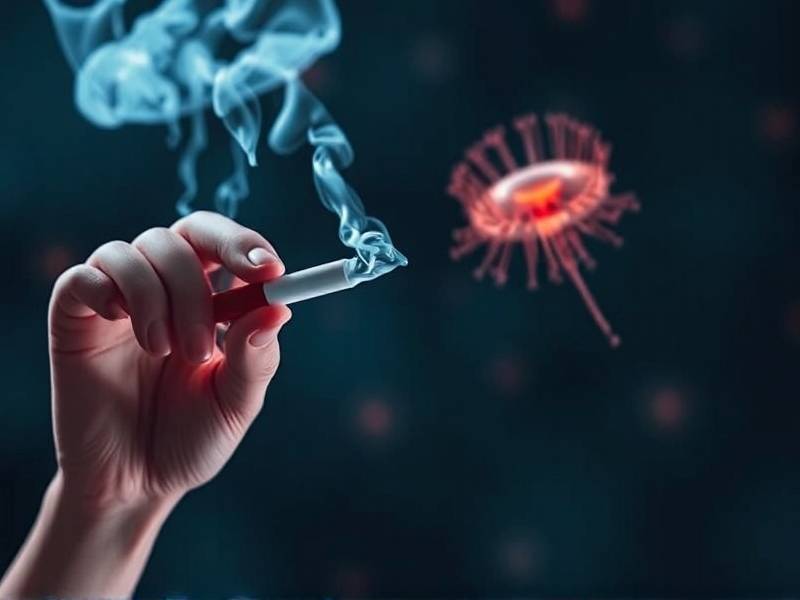
Cilia are microscopic projections that extend from the surface of cells. In the human body, they are primarily found in the respiratory tract, where they act as a defense mechanism against pollutants and pathogens. Their primary function is to move mucus and trapped particles upwards towards the throat, where they can be coughed up or swallowed.
The Impact of Smoking on Cilia
Smoking introduces numerous harmful substances into your lungs, including tar, nicotine, carbon monoxide, and countless other toxins. These substances can damage cilia, impairing their ability to function effectively. Over time, this can lead to respiratory problems such as chronic bronchitis and emphysema.
The Journey Begins: Recovery Post-Quitting Smoking
When you quit smoking, your body begins a remarkable process of healing and regeneration. Here's what happens to your cilia during this journey:
1. Immediate Changes
In the first few hours after quitting smoking, carbon monoxide levels in your blood start to drop rapidly. This improvement allows more oxygen to reach your tissues and helps repair damaged cilia.
2. Weeks 1-3
Within a few weeks of quitting smoking, your cilia begin to regain their function. This means they start moving mucus more efficiently again, helping to clear out trapped particles and reduce the risk of infections.
3. Months 1-9
During this period, your lungs continue to heal as damaged cilia are replaced with new ones. This process can take several months but is essential for long-term lung health.
4. Years After Quitting Smoking
Years after quitting smoking, your lungs may still show signs of improvement as damaged cells are replaced with healthy ones. Your risk of developing chronic respiratory diseases decreases significantly over time.
Conclusion: The Power of Quitting Smoking
The transformation of cilia when you quit smoking is a testament to the body's remarkable ability to heal itself when given the chance. By making the decision to quit smoking today, you're not just improving your own health but also giving your cilia a chance to thrive once more.
Remember that every puff counts—quit today for a healthier tomorrow!