
What Are Your Chances of Lung Cancer After Quitting Smoking?
Unveiling Your Odds of Lung Cancer Post-Quitting Smoking
Subheading: Understanding the Impact of Smoking Cessation on Lung Cancer Risk
Have you ever wondered about your chances of developing lung cancer after you quit smoking? The thought can be daunting, but it's essential to understand the impact of smoking cessation on your health. This article delves into the statistics, recent studies, and expert opinions to provide you with a comprehensive understanding of your odds of lung cancer post-quitting smoking.
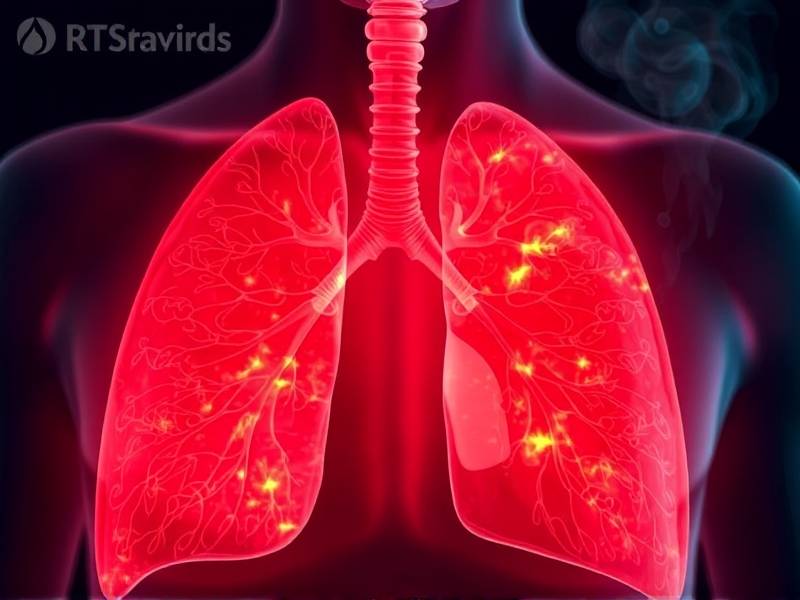
The Statistics: How Smoking Impacts Lung Cancer Risk
Statistics from authoritative sources such as the Centers for Disease Control and Prevention (CDC) reveal that smoking is the leading cause of lung cancer. According to their data, approximately 85% of lung cancer deaths in the United States are attributed to smoking.
The Power of Quitting Smoking
The good news is that quitting smoking can significantly reduce your risk of developing lung cancer. Research has shown that within 5-10 years after quitting, your risk decreases by half compared to a continuing smoker.
Recent Studies on Post-Quitting Lung Cancer Risk
Recent studies have been shedding light on the relationship between quitting smoking and reducing lung cancer risk. One study published in the Journal of Thoracic Oncology found that former smokers who quit between 20 and 29 years ago had a lower risk of lung cancer than those who quit later in life.
Another study, presented at the American Association for Cancer Research's Annual Meeting, revealed that quitting smoking at any age can reduce your risk of developing lung cancer. Researchers concluded that even if you have smoked for many years, quitting can still significantly lower your risk.
Expert Opinions: What Do They Say?
Experts agree that quitting smoking is one of the most effective ways to reduce your chances of developing lung cancer. Dr. Robert West, a leading expert in addiction research at University College London, states, "The benefits of quitting are immediate and continue to improve over time."
The Role of Nicotine Replacement Therapy (NRT)
For those struggling with nicotine addiction, using nicotine replacement therapy (NRT) can help make quitting easier. A study published in The Lancet found that NRT increases the chances of successfully quitting smoking by 50-70%.
Conclusion: Your Chances After Quitting Smoking
In conclusion, while there is no guarantee that you will not develop lung cancer after quitting smoking, taking this significant step can drastically reduce your odds. By understanding the statistics and recent studies on post-quitting lung cancer risk, you can make informed decisions about your health.
Remember, it's never too late to quit smoking and improve your chances against lung cancer. Take control of your health today!