
How to Quit Smoking: An Infographic Guide
Understanding the Challenge
Quitting smoking is one of the most significant steps you can take to improve your health. The journey is challenging, but with the right approach and tools, it's achievable. This infographic guide will walk you through the process, offering practical tips and insights to help you kick the habit for good.
The Science of Smoking
Before diving into the quitting process, it's important to understand why smoking is so hard to quit. Nicotine, a highly addictive substance found in cigarettes, affects the brain's reward system. This creates a physical and psychological dependence that makes quitting difficult.
Step 1: Set a Quit Date
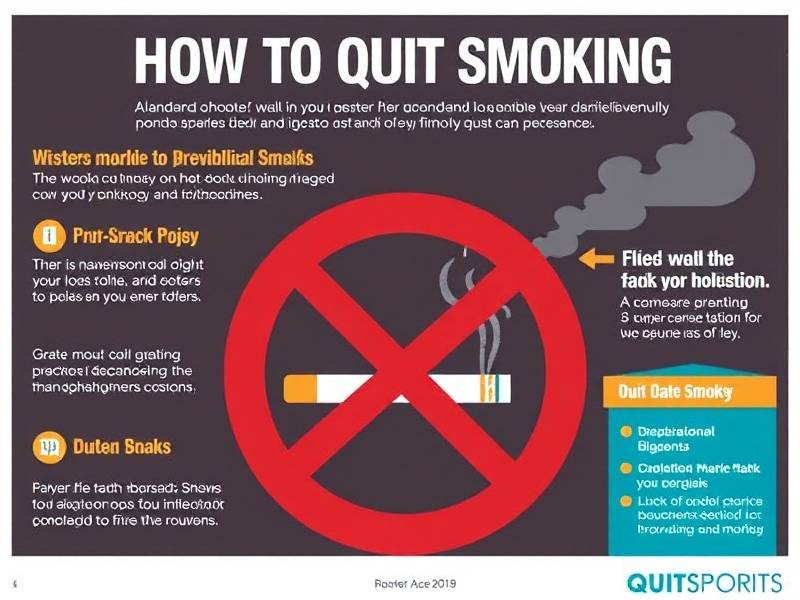
The first step in your journey is to set a quit date. Choose a date that gives you enough time to prepare but not so far in the future that it feels unattainable. Use this timeline as a countdown to your smoke-free life.
Step 2: Create a Support System
Quitting smoking is easier when you have support. Reach out to friends, family, or coworkers who are also trying to quit or who can offer encouragement. Consider joining a support group or seeking professional help from a therapist or counselor.
Step 3: Identify Your Triggers
Identify situations or emotions that make you want to smoke. Once you know what these triggers are, plan how you'll handle them without turning back to cigarettes.
Step 4: Develop Coping Strategies
Develop healthy coping strategies for when cravings hit. These could include exercise, deep breathing exercises, chewing gum, or engaging in an activity that keeps your mind off smoking.
Step 5: Manage Withdrawal Symptoms
Withdrawal symptoms can be intense and include irritability, anxiety, and headaches. Over-the-counter medications like nicotine replacement therapy (NRT) can help alleviate these symptoms.
Step 6: Stay Motivated
Keep track of your progress and celebrate small victories along the way. Remind yourself why quitting is important and how much better you'll feel once you've successfully kicked the habit.
Step 7: Seek Professional Help if Needed
If you're struggling to quit on your own, don't hesitate to seek professional help. Many healthcare providers offer programs designed specifically for smokers looking to quit.
Tips for Success
- Stay away from temptation: Avoid places where smoking is common.
- Stay hydrated: Drink plenty of water throughout the day.
- Eat healthy snacks: Foods high in protein and fiber can help reduce cravings.
- Get moving: Exercise can boost your mood and reduce stress.
- Reward yourself: Set up a reward system for reaching milestones in your journey.
Conclusion
Quitting smoking is a process that requires patience and determination. By following this infographic guide and staying committed to your goals, you can overcome the challenges of nicotine addiction and enjoy a healthier life free from tobacco smoke.
Remember, every day without smoking is a step towards better health. Keep going!