
Does COPD Get Worse When You Quit Smoking? The Truth You Need to Know
Does COPD Get Worse When You Quit Smoking? The Truth You Need to Know
Introduction: Chronic Obstructive Pulmonary Disease (COPD) is a serious lung condition that affects millions of people worldwide. Many COPD patients are smokers, and quitting smoking is often a critical step in managing their condition. However, some may wonder if quitting smoking will exacerbate their COPD symptoms. In this article, we delve into the truth behind this concern and provide valuable insights for individuals struggling with COPD.
Section 1: Understanding COPD and Its Relationship with Smoking What is COPD? COPD is a progressive lung disease characterized by chronic inflammation and obstruction of the airways. This leads to symptoms such as shortness of breath, coughing, and wheezing.
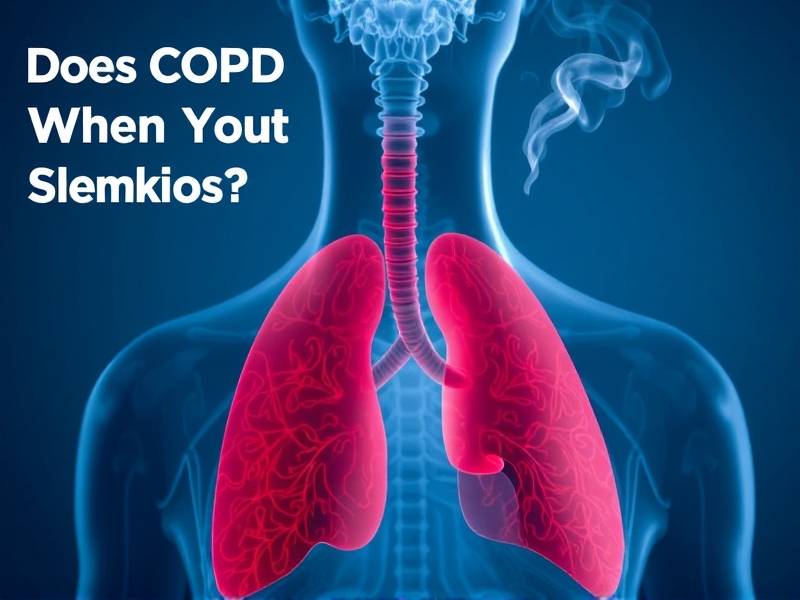
How Does Smoking Contribute to COPD? Smoking is the leading cause of COPD. The chemicals in tobacco smoke irritate the lungs, leading to inflammation and damage over time. This damage can result in permanent narrowing of the airways, making it difficult to breathe.
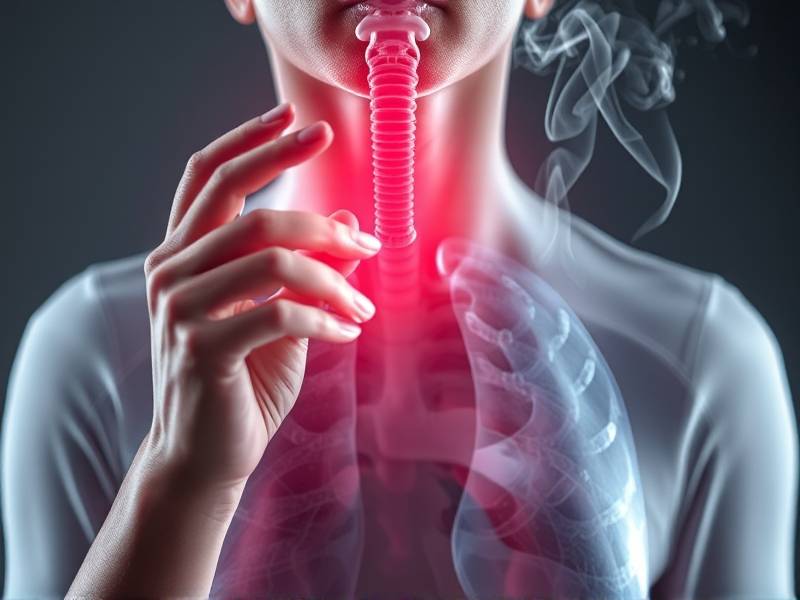
Section 2: The Impact of Quitting Smoking on COPD Does Quitting Make Things Worse? Contrary to popular belief, quitting smoking does not make COPD worse. On the contrary, it can significantly improve your quality of life and slow down the progression of the disease.
Benefits of Quitting Smoking for COPD Patients
- Reduced Inflammation: Quitting smoking helps reduce lung inflammation, which can lead to fewer flare-ups and improved breathing.
- Slower Progression: By ceasing smoking, you can slow down the rate at which your COPD worsens.
- Improved Oxygen Levels: Quitting smoking increases oxygen levels in your blood, helping you feel more energetic and less breathless.
- Reduced Risk of Other Health Issues: Smokers with COPD are at a higher risk for other health problems like heart disease and stroke. Quitting smoking can lower these risks.
Section 3: Strategies for Successful Smoking Cessation Setting Realistic Goals Set achievable goals for quitting smoking, such as reducing your daily cigarette intake gradually or setting a specific quit date.
Seeking Support Join a support group or consider seeking professional help from a healthcare provider or counselor specializing in smoking cessation.
Using Medications Prescription medications like nicotine replacement therapy (NRT) or prescription non-nicotine medications can help alleviate withdrawal symptoms and increase your chances of success.
Staying Active Regular exercise can boost your mood, improve lung function, and make it easier to cope with withdrawal symptoms.
Conclusion: In conclusion, quitting smoking does not make Chronic Obstructive Pulmonary Disease (COPD) worse; instead, it offers numerous benefits for individuals living with this lung condition. By adopting healthy habits like exercise and seeking support from healthcare professionals, you can increase your chances of successfully quitting smoking and improving your overall well-being.