
Can Quitting Smoking Really Cause Difficulty Breathing?
Can Quitting Smoking Really Cause Difficulty Breathing?
Introduction: Quitting smoking is a significant step towards improving one's health. However, many smokers are hesitant to quit due to concerns about potential side effects, including difficulty breathing. In this article, we will explore the relationship between quitting smoking and breathing difficulties, providing you with the necessary information to make an informed decision.
Section 1: Understanding the Risks of Smoking Before delving into the impact of quitting smoking on breathing, it is crucial to understand the risks associated with smoking. According to the Centers for Disease Control and Prevention (CDC), smoking causes numerous health issues, including chronic obstructive pulmonary disease (COPD), asthma, and lung cancer.
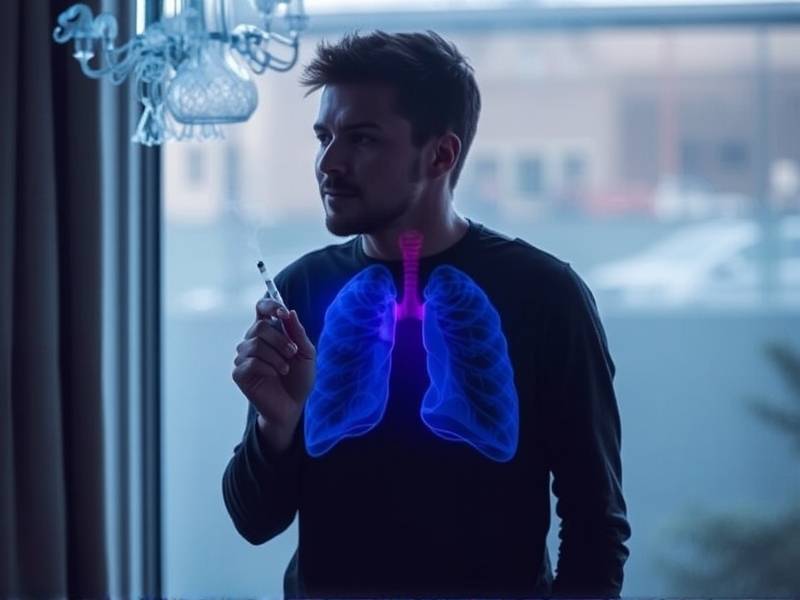
Section 2: How Smoking Affects Breathing Smoking damages the lungs and respiratory system over time. The toxic substances in cigarettes irritate and inflame the airways, leading to symptoms like shortness of breath, coughing, and wheezing. Additionally, smoking reduces lung capacity and function, making it more challenging for smokers to breathe efficiently.

Section 3: The Process of Quitting Smoking Quitting smoking can be challenging, but it is essential for improving one's health. When you stop smoking, your body begins to repair itself. However, during this process, some individuals may experience temporary breathing difficulties.
Section 4: Temporary Breathing Difficulties After Quitting Smoking It is not uncommon for former smokers to experience shortness of breath or coughing when they quit. This is due to several factors:
- Withdrawal symptoms: Nicotine withdrawal can cause various symptoms, including difficulty breathing.
- Increased mucus production: When you quit smoking, your body starts producing more mucus as it clears out toxins from your lungs.
- Inflammation reduction: As your lungs heal from smoke damage, they may become inflamed initially before returning to normal.
Section 5: Long-term Benefits of Quitting Smoking on Breathing Despite temporary breathing difficulties during the quitting process, long-term benefits are substantial:
- Improved lung function: Over time, your lung capacity will increase as your lungs heal from smoke damage.
- Reduced risk of respiratory diseases: By quitting smoking, you lower your risk of developing COPD and asthma.
- Enhanced overall health: Improved breathing can lead to better cardiovascular health and a reduced risk of lung cancer.
Conclusion: While quitting smoking may cause temporary difficulty breathing for some individuals due to withdrawal symptoms and inflammation reduction in the lungs, the long-term benefits far outweigh these challenges. If you are considering quitting smoking or have already started the journey but are experiencing breathing difficulties, consult with a healthcare professional for guidance and support.
Remember that taking that first step towards a smoke-free life is a commendable act that will lead to improved health and well-being in the long run.