
Can Quitting Smoking Really Cause Hives?
Can Quitting Smoking Really Cause Hives? A Comprehensive Guide
Introduction: Quitting smoking is a significant decision that can lead to numerous health benefits. However, some individuals may experience unexpected side effects during the process. One common concern is whether quitting smoking can cause hives. In this article, we will explore the relationship between quitting smoking and the occurrence of hives, providing you with valuable insights to help you understand this phenomenon better.
Section 1: Understanding Hives Hives, also known as urticaria, are itchy, raised areas on the skin that appear suddenly and disappear quickly. They can vary in size and shape and may appear anywhere on the body. While hives are generally harmless, they can be quite uncomfortable and may be a sign of an underlying condition.
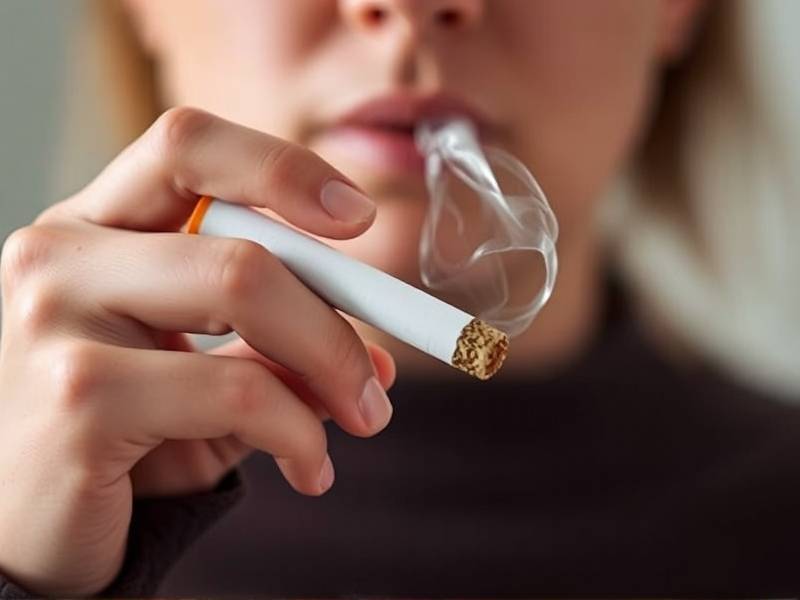
Section 2: The Connection Between Quitting Smoking and Hives It is not uncommon for individuals to experience various symptoms when they quit smoking, including hives. Here are some reasons why quitting smoking might trigger hives:
-
Nicotine Withdrawal: When you stop smoking, your body goes through nicotine withdrawal, which can lead to an increase in stress hormones such as adrenaline. This hormonal imbalance may trigger allergic reactions or exacerbate existing allergies, resulting in hives.
-
Immune System Response: Quitting smoking can stimulate your immune system to become more active as it works to eliminate toxins from your body. This heightened immune response may cause inflammation or allergic reactions that manifest as hives.
-
Drug Reactions: Some individuals may experience adverse reactions to medications used to aid in quitting smoking, such as nicotine replacement therapy (NRT) products or prescription medications like bupropion or varenicline. These reactions can include skin rashes or hives.
Section 3: Managing Hives During Quitting Smoking If you experience hives while trying to quit smoking, here are some tips for managing them:
-
Stay Hydrated: Drink plenty of water throughout the day to help flush out toxins from your body.
-
Avoid Allergens: Identify any potential allergens that might be triggering your hives and try to avoid them.
-
Use Over-the-Counter Antihistamines: Over-the-counter antihistamines like diphenhydramine (Benadryl) can help alleviate itching and reduce the severity of hives.
-
Seek Medical Advice: If your hives are severe or do not improve after a few days, consult a healthcare professional for further evaluation and treatment options.
Conclusion: While it's possible for quitting smoking to cause hives in some individuals, it's important to remember that this is not a common occurrence for everyone who stops smoking. If you do experience hives while trying to quit, take steps to manage them effectively and seek medical advice if needed. With persistence and support, you can overcome this challenge on your journey towards a smoke-free life.