
How Can I Improve My Skin After Quitting Smoking?
Introduction: The Transformation Within and Out
Quitting smoking is a monumental step towards a healthier life, and the benefits are vast, including improvements in your skin's health. The act of quitting smoking can lead to significant changes in your skin texture, color, and overall appearance. This article delves into practical steps and insights to help you achieve radiant, healthy skin after kicking the habit.
1. Understand the Immediate Effects
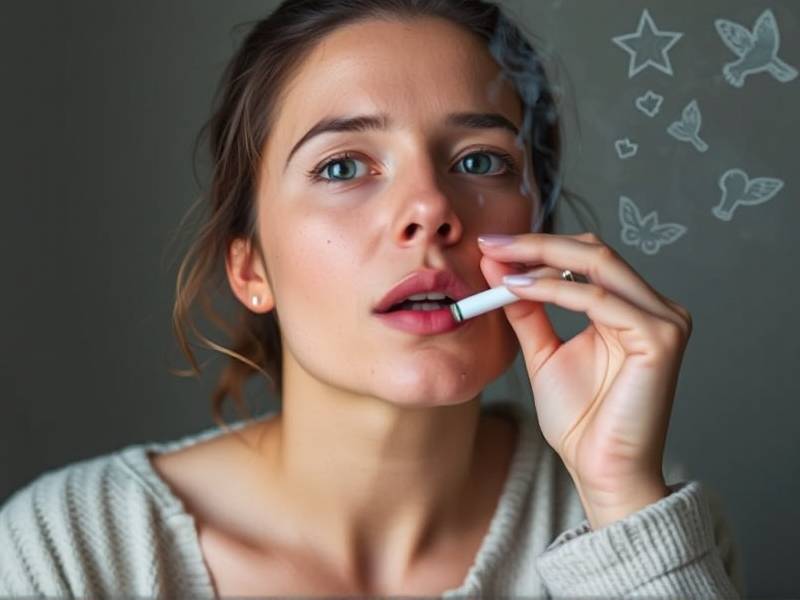
The first few weeks after quitting smoking are crucial. Your skin may experience a surge of blood flow, which can lead to a rosy glow as it repairs itself from the damage caused by nicotine. However, it's also common to experience breakouts or acne due to hormonal fluctuations and increased blood circulation.
2. Hydrate Your Skin
One of the most immediate benefits of quitting smoking is improved hydration. Nicotine constricts blood vessels, reducing their ability to deliver oxygen and nutrients to your skin cells. By quitting, you allow your body to increase blood flow, which in turn enhances your skin's hydration levels.
3. Use Nourishing Skincare Products
Invest in skincare products that are rich in antioxidants and vitamins. These ingredients help combat free radicals caused by smoking and promote cell repair. Look for serums or creams with ingredients like vitamin C, vitamin E, green tea extract, and hyaluronic acid.
4. Exfoliate Regularly
Exfoliation helps remove dead skin cells that can accumulate on the surface due to reduced blood flow during smoking. Regular exfoliation can reveal brighter, smoother skin underneath.
5. Maintain a Healthy Diet
Your diet plays a crucial role in the health of your skin post-quitting smoking. Incorporate plenty of fruits, vegetables, whole grains, lean proteins, and healthy fats into your meals to provide essential nutrients for skin repair.
6. Stay Active
Regular exercise increases circulation throughout the body, including the skin's surface. This improved circulation aids in carrying away toxins and delivering oxygen and nutrients needed for healthy-looking skin.
7. Get Adequate Sleep
Quality sleep is essential for overall health and particularly important for skin repair. Aim for 7-9 hours of quality sleep each night to allow your body to heal itself effectively.
8. Protect Your Skin from Sun Damage
Sun damage accelerates aging and can exacerbate existing issues like hyperpigmentation or discoloration caused by smoking. Use a broad-spectrum sunscreen with an SPF of at least 30 daily.
9. Consider Professional Treatments
If you're looking for more intensive results, consider professional treatments such as chemical peels or microdermabrasion under the guidance of a dermatologist.
Conclusion: Embrace Your New You
Improving your skin after quitting smoking is a journey that requires patience and consistency. By following these steps and embracing a healthier lifestyle overall, you'll not only see improvements in your complexion but also feel more confident in your new smoke-free self.
Remember that every individual's experience is unique, so it's important to listen to your body and adjust your skincare routine as needed along the way.