
How to Deal with Mouth Sores When You Quit Smoking
Navigating Mouth Sores: A Comprehensive Guide for Smokers Quitting
Introduction: Quitting smoking is a significant step towards a healthier lifestyle, but it comes with its own set of challenges. One common issue that many smokers face is the occurrence of mouth sores. These sores can be painful and frustrating, making the journey to a smoke-free life even more difficult. In this article, we will discuss how to deal with mouth sores when you quit smoking, offering practical tips and strategies to alleviate discomfort and promote healing.
Understanding Mouth Sores
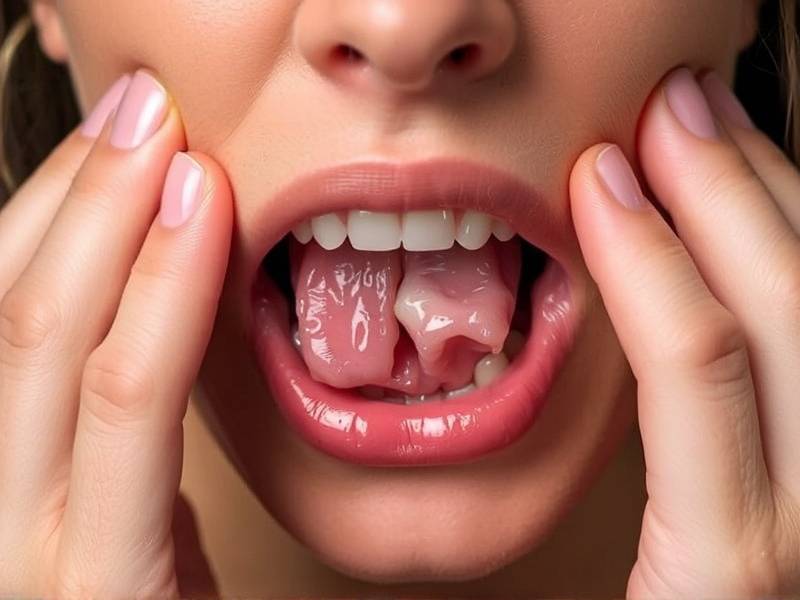
Mouth sores, also known as aphthous ulcers or canker sores, are small, painful lesions that form on the mucous membranes inside the mouth. They are often caused by irritation or injury to the oral tissues. When you quit smoking, the sudden change in your oral environment can lead to an increase in mouth sore occurrences.
Preventing and Treating Mouth Sores
-
Maintain Good Oral Hygiene:
- Brush your teeth at least twice a day with a soft-bristled toothbrush.
- Use fluoride toothpaste to strengthen your tooth enamel.
- Avoid using toothpaste containing sodium lauryl sulfate (SLS) as it can exacerbate soreness.
-
Gentle Oral Care:
- Use lukewarm water for rinsing your mouth instead of hot or cold water.
- Gently clean your mouth with a saltwater rinse (1/2 teaspoon of salt dissolved in 8 ounces of water) several times a day.
-
Avoid Irritants:
- Stay away from spicy, acidic, or overly hot foods that can aggravate sore areas.
- Limit alcohol consumption and avoid smoking or chewing tobacco products.
-
Use Topical Treatments:
- Over-the-counter topical treatments like lidocaine sprays or ointments can provide temporary pain relief.
- Look for products containing allantoin or lysine, which help promote healing.
-
Consider Nutritional Supplements:
- Vitamin B12 deficiency has been linked to increased mouth sore occurrences.
- Take a B12 supplement if you have been advised by your healthcare provider.
-
Stay Hydrated:
- Drinking plenty of water helps maintain healthy oral tissues and promotes healing.
-
Seek Professional Help:
- If you experience severe pain or if mouth sores do not heal within two weeks, consult your dentist for further evaluation and treatment options.
Supporting Your Quitting Journey
Quitting smoking is not an easy task, and dealing with mouth sores can add extra difficulty to the process. To support your journey:
- Join a support group for smokers who are quitting.
- Consider nicotine replacement therapy (NRT) such as gum, patches, lozenges, or inhalers under medical supervision.
- Set realistic goals and celebrate small victories along the way.
Conclusion:
Mouth sores are a common challenge faced by smokers who are trying to quit. By understanding their causes and taking appropriate measures to prevent and treat them, you can make your smoke-free journey more comfortable and manageable. Remember that perseverance is key – stay committed to quitting smoking for long-term health benefits.