
Will My Lungs Repair Themselves After Quitting Smoking?
The Journey to Health: Can Your Lungs Heal After Quitting Smoking?
Introduction: The decision to quit smoking is a significant step towards better health. Many smokers are curious about the potential for lung repair after they kick the habit. In this article, we delve into the science behind lung healing and provide insights into what you can expect after quitting smoking.
Understanding Lung Damage Smoking is a leading cause of chronic obstructive pulmonary disease (COPD), emphysema, and lung cancer. The toxic substances in cigarettes damage the delicate structures of the lungs, leading to inflammation, scarring, and reduced oxygen exchange.
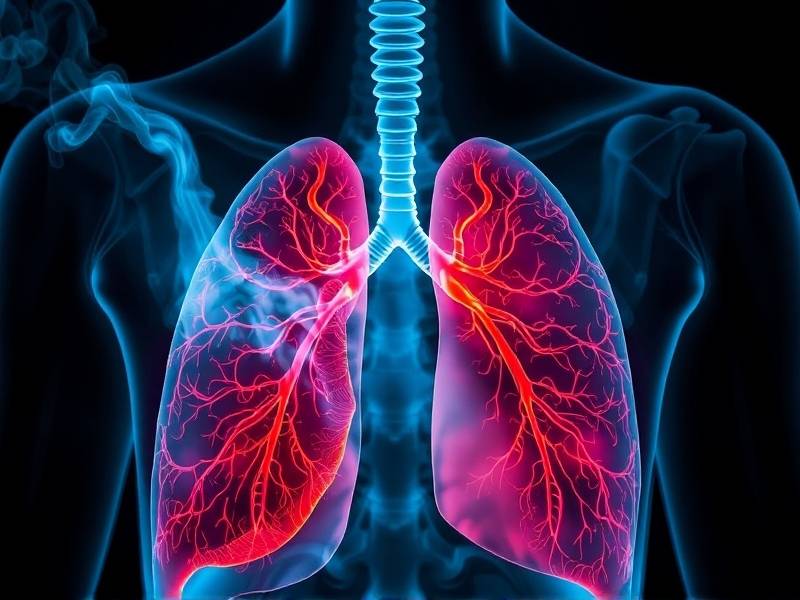
The Healing Process When you quit smoking, your body begins the process of repair almost immediately. Here’s a breakdown of what happens over time:
1. Immediate Benefits Within 20 minutes of quitting, your heart rate and blood pressure drop as your body starts to clear out carbon monoxide.
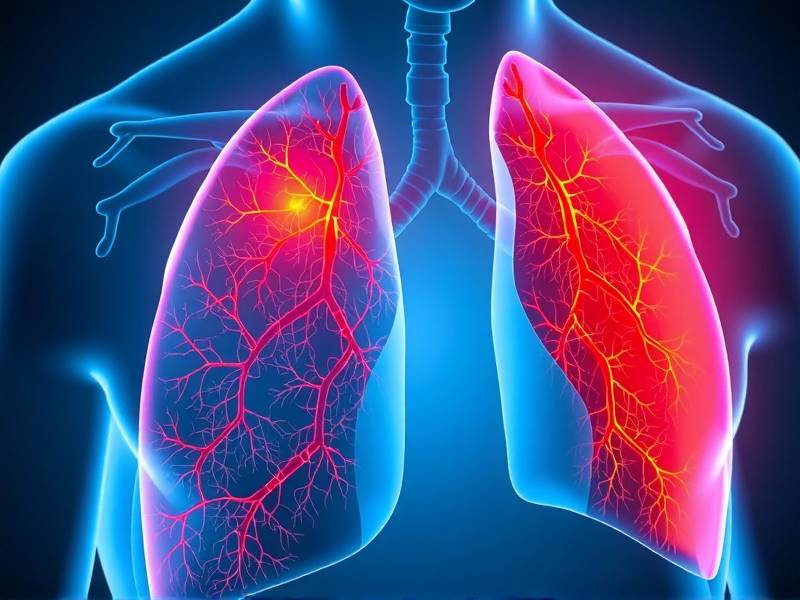
2. One to Nine Months Your lungs begin to clear out mucus and debris that has accumulated due to smoking. You might experience an increase in coughing during this period as your body expels tar and other harmful substances.
3. Nine Months to One Year Your lung function improves significantly, reducing the risk of respiratory infections and improving overall energy levels.
4. Two Years Your risk of heart disease decreases by half compared to when you were smoking.
5. Five Years Your risk of stroke drops significantly, approaching that of a non-smoker.
6. Ten Years Your risk of lung cancer decreases by half compared to continued smokers, making it a critical time for lung repair.
The journey is different for everyone, but these milestones give a general idea of what happens as your lungs heal after quitting smoking.
Can Lungs Fully Repair? While the lungs have an incredible ability to heal, it’s important to note that not all damage can be reversed completely:
- Emphysema: This condition causes permanent damage to air sacs in the lungs and cannot be fully repaired.
- COPD: This chronic condition involves irreversible damage to airways but quitting can slow down progression.
- Lung Cancer: Early detection can lead to successful treatment if caught before widespread spread.
However, even with these conditions, quitting smoking is crucial as it can slow down further damage and improve overall health outcomes.
Conclusion: Quitting smoking is a powerful step towards improving your lung health. While full repair may not always be possible, the journey towards better breathing begins immediately after you stop smoking. Embrace this transformational journey with patience and determination – every breath counts!