
Stomach Pain: A Possible Side Effect of Quitting Smoking?
Introduction
Quitting smoking is a significant step towards improving one's health. However, the journey to becoming smoke-free can come with its challenges, including various side effects. One such side effect that some smokers may experience is stomach pain. This article explores the potential link between quitting smoking and stomach pain, offering insights and advice for those embarking on their quit journey.
Understanding the Link
What is Stomach Pain?
Stomach pain can manifest in various forms, from a mild discomfort to severe cramping. It can be caused by numerous factors, including diet, stress, or underlying health conditions.
The Role of Nicotine
Nicotine, a key component of tobacco products, affects the digestive system. When you quit smoking, your body undergoes several changes as it adjusts to the absence of nicotine. One of these changes can be an increase in stomach acid production.
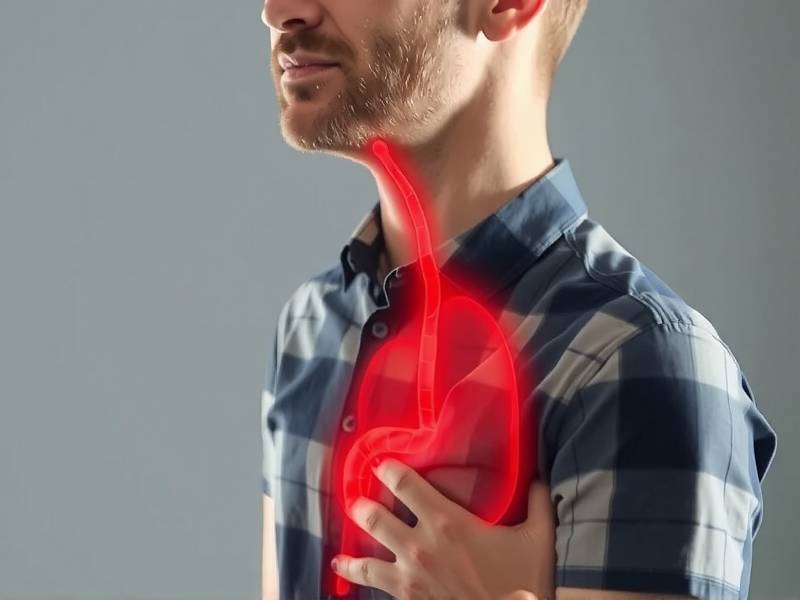
Common Causes of Stomach Pain After Quitting Smoking
Increased Stomach Acid Production
As mentioned earlier, nicotine can suppress stomach acid production. When you stop smoking, your body may start producing more stomach acid than usual. This excess acid can lead to irritation in the lining of your stomach or esophagus, causing pain or discomfort.
Nervous System Disruption
The nervous system plays a crucial role in regulating digestion. Nicotine affects this system by stimulating certain nerves. When you quit smoking, these nerves may become overactive or underactive, leading to digestive issues like stomach pain.

Emotional Stress
Quitting smoking can also bring about emotional stress and anxiety. These feelings can exacerbate symptoms like stomach pain by affecting your digestive system's functioning.
Coping with Stomach Pain After Quitting Smoking
Identify Triggers
Identifying triggers for your stomach pain is essential in managing it effectively. Keep a journal of what you eat and how you feel during and after meals to determine if certain foods or activities exacerbate your symptoms.
Modify Your Diet
Avoiding spicy or acidic foods may help alleviate stomach pain. Instead, opt for bland foods like bananas and rice that are easy on the digestive system.
Manage Stress Levels
Stress management techniques such as meditation, deep breathing exercises, and physical activity can help reduce anxiety levels and minimize symptoms of stomach pain associated with quitting smoking.
Seek Professional Help if Needed
If your stomach pain persists despite these measures or if you suspect an underlying condition like gastroesophageal reflux disease (GERD), consult a healthcare professional for guidance and treatment options.
Conclusion
While it's common to experience side effects when quitting smoking, understanding their causes and managing them effectively can make the process more manageable. If you're experiencing stomach pain after quitting smoking, try identifying triggers and adopting stress-reducing strategies to alleviate symptoms. Remember that seeking professional help is always advisable when dealing with persistent discomfort or concerns about underlying conditions.
By addressing these challenges head-on, you'll be one step closer to achieving a smoke-free life while maintaining optimal health.